Introduction
Heart disease remains one of the most significant health challenges of our time. When coronary arteries become blocked or narrowed, the heart struggles to receive the oxygen-rich blood it needs to function correctly. While lifestyle changes and medications are the first lines of defense, there are instances where surgical intervention becomes the most effective path to restoring heart health.Heart bypass surgery, or coronary artery bypass grafting (CABG), is a major procedure that can significantly improve your quality of life and long-term health outcomes. However, the quality of your care—from the surgical expertise of the team to the advanced nature of the hospital infrastructure—plays a critical role in your success. Patients deserve to feel confident and informed throughout this process.To assist you in navigating your options, BestCardiacHospitals provides resources to help you identify top-tier facilities that specialize in safe and effective cardiac treatments. Choosing the right hospital is the first step toward a successful surgery and a smooth recovery.
What Is Heart Bypass Surgery?
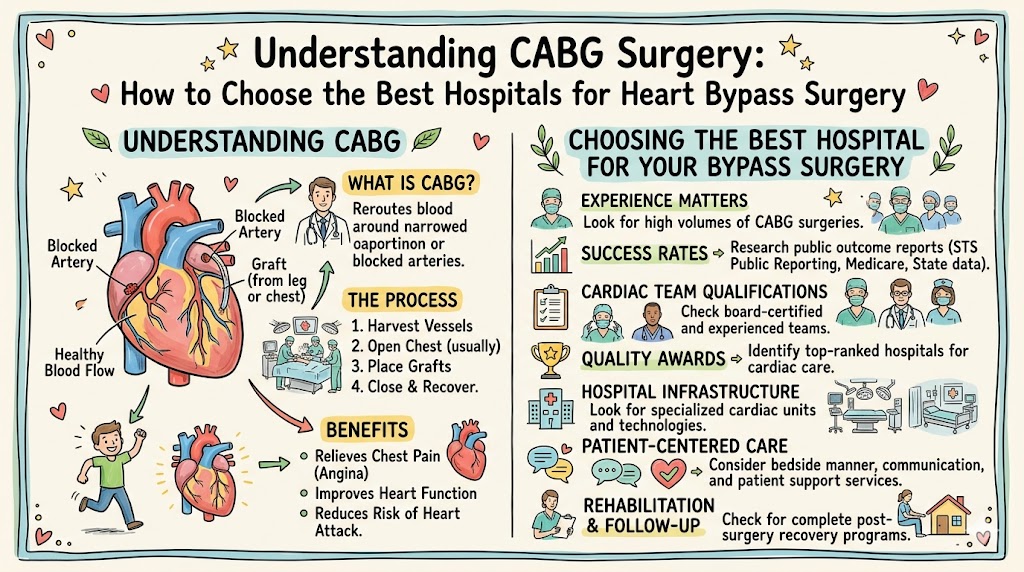
Coronary artery bypass grafting (CABG) is a surgical procedure performed to treat severe coronary artery disease. When the arteries that supply blood to the heart muscle become blocked with plaque, the heart’s ability to pump blood effectively is compromised.
During a bypass operation, a surgeon takes a healthy blood vessel—often from the leg, chest, or arm—and grafts it onto the heart. This graft acts as a bridge, bypassing the blocked section of the artery to create a new, unobstructed path for blood to reach the heart muscle.
While angioplasty is often used for single or less severe blockages, bypass surgery is typically recommended for patients with multi-vessel disease or complex blockages. The goal is to restore normal blood flow and reduce the risk of a future heart attack.
Common Causes of Coronary Artery Disease
Coronary artery disease develops over many years, often as a result of a combination of lifestyle choices and underlying health factors:
- High Cholesterol: Excess cholesterol in the blood leads to plaque buildup on artery walls.
- High Blood Pressure: Persistent hypertension can damage the lining of your arteries.
- Smoking: Tobacco use damages artery linings and reduces the oxygen capacity of the blood.
- Diabetes: High blood sugar levels can damage blood vessels over time.
- Obesity: Carrying excess weight puts additional strain on the cardiovascular system.
- Sedentary Lifestyle: A lack of physical activity weakens the heart muscle and impacts blood circulation.
- Stress and Poor Diet: Chronic stress and diets high in processed fats contribute to inflammation and vascular damage.
Symptoms That May Require Heart Bypass Surgery
Your body often sends signals when your heart is not getting enough blood. Common symptoms include:
- Chest Pain (Angina): A feeling of pressure, tightness, or squeezing in the chest.
- Shortness of Breath: Difficulty breathing, especially during physical exertion.
- Fatigue: Unexplained tiredness even after resting.
- Irregular Heartbeat: Feeling like your heart is racing, fluttering, or skipping beats.
- Dizziness: Lightheadedness or feeling faint due to poor circulation.
- Coronary Artery Blockage: Identified during routine diagnostic tests or imaging.
- Increased Heart Attack Risk: Doctors may recommend surgery as a preventative measure if diagnostic findings show life-threatening blockages.
Why Specialized Cardiac Hospitals Matter
Cardiac surgery is a highly complex field. Specialized cardiac hospitals provide infrastructure that general facilities may not have, including:
- Experienced Cardiac Surgeons: Professionals who perform these procedures regularly and handle complex cases with precision.
- Advanced Operating Rooms: Equipped with the latest surgical technology and climate control to ensure patient safety.
- Cardiac ICU Support: Specialized intensive care units staffed by nurses and doctors trained specifically in post-heart surgery care.
- Emergency Response Systems: Rapid response protocols to manage any complications that might arise during or after the procedure.
- Advanced Imaging Technologies: High-resolution machines that give surgeons a clear map of your heart before they ever make an incision.
- Cardiac Rehabilitation: Dedicated departments to guide your physical and emotional recovery post-surgery.
How Heart Bypass Surgery Is Performed
The bypass procedure is a meticulous process designed for maximum safety:
- Pre-surgery Evaluation: A comprehensive review of your heart health, blood work, and physical state.
- Anesthesia Preparation: You will be placed under general anesthesia to ensure you are asleep and pain-free.
- Blood Vessel Graft Selection: The surgeon prepares the healthy vessel to be used for the bypass.
- Bypass Procedure Process: The surgeon attaches the graft to the artery above and below the blockage.
- Heart-Lung Machine Support: During traditional surgery, this machine keeps blood oxygenated and circulating while the heart is temporarily stilled.
- Post-surgery ICU Monitoring: You are moved to the cardiac ICU, where your vitals are constantly monitored by experts.
- Recovery and Rehabilitation: A structured timeline for waking up, regaining mobility, and starting cardiac therapy.
Modern Technology in Cardiac Surgery Hospitals
Technology has significantly increased the safety of bypass procedures:
- Robotic-Assisted Heart Surgery: Provides surgeons with unparalleled precision and smaller incision points.
- AI-Assisted Cardiac Imaging: Allows for clearer, 3D mapping of the heart’s arteries.
- Hybrid Operating Rooms: These rooms combine traditional surgery with advanced imaging equipment, allowing for complex procedures to happen in one location.
- Minimally Invasive CABG: Techniques that reduce the size of the chest incision, leading to less pain and shorter hospital stays.
- Advanced Monitoring Systems: Real-time data on your heart’s function and electrical activity during and after surgery.
- Digital Patient Tracking: Integrated software that keeps your entire medical team updated on your progress.
Benefits of Choosing the Right Heart Surgery Hospital
Selecting the best cardiac hospital ensures:
- Better Surgical Outcomes: Experience directly correlates with success rates.
- Faster Emergency Response: Immediate access to specialized equipment and personnel.
- Comprehensive Care: Access to dietitians, physical therapists, and cardiologists under one roof.
- Reduced Complication Risks: Adherence to strict sterilization and safety protocols.
- Confidence: Knowing you are in the hands of a team that handles cases like yours every day.
Recovery After Heart Bypass Surgery
Recovery is a gradual, structured process:
- ICU Recovery Phase: Usually lasts 1–2 days, focusing on stabilizing your breathing and heart function.
- Pain Management: Medications are provided to keep you comfortable as your chest heals.
- Physical Rehabilitation: You will begin moving and walking with assistance shortly after surgery to prevent blood clots.
- Dietary Improvements: A transition to a heart-healthy diet to support tissue repair and long-term health.
- Exercise Routines: Gradually increasing physical activity levels under the guidance of a rehabilitation therapist.
- Emotional Recovery: It is normal to feel anxious or depressed; having a support team is vital.
- Long-term Heart Care: Regular follow-up appointments to monitor the health of your grafts.
Risks and Realistic Expectations
- Surgical Risks: While modern surgery is very safe, all major procedures carry risks of infection, bleeding, or reactions to anesthesia.
- Recovery Variation: Every patient heals at a different speed. Do not compare your timeline to others.
- Lifestyle Commitment: The surgery fixes the blockage, but lifestyle changes are required to keep the arteries healthy.
- Medication Adherence: You will likely need to take prescribed medications to manage blood pressure and cholesterol long-term.
- Rehabilitation is Key: Attending cardiac rehab is just as important as the surgery itself for a full recovery.
Common Mistakes Patients Make
- Ignoring Warning Signs: Dismissing chest pain as “just indigestion.”
- Delaying Evaluation: Putting off visits to the doctor even when symptoms persist.
- Skipping Medications: Stopping blood thinners or other cardiac meds without doctor approval.
- Poor Diet Post-Surgery: Returning to high-salt, high-fat foods that contributed to the initial blockage.
- Avoiding Activity: Becoming too sedentary out of fear, which hinders recovery.
- Missing Appointments: Skipping follow-ups that allow doctors to catch early signs of issues.
Best Practices for Long-Term Heart Health
- Heart-Healthy Diet: Focus on whole grains, fruits, vegetables, and lean proteins.
- Regular Activity: Walking, swimming, or light cycling as cleared by your surgeon.
- Weight Management: Keeping your weight in a range that reduces strain on the heart.
- Stress Control: Utilizing breathing exercises, meditation, or therapy.
- Smoking Cessation: This is the most critical lifestyle change for heart health.
- Regular Checkups: Consistent monitoring of blood pressure and cholesterol levels.
Real-World Cardiac Healthcare Use Cases
- Elderly Patients: Hospitals with specialized geriatric cardiac care focus on gentle recovery and mobility.
- Emergency Care: Rapid-response hospitals for patients undergoing emergency CABG following an acute heart attack.
- Diabetic Care: Integrated teams of endocrinologists and surgeons to manage blood sugar during surgery.
- Minimally Invasive Cases: Choosing hospitals that offer small-incision bypass for patients seeking faster recovery.
- Complex Cases: Multi-vessel blockage management for patients requiring intricate surgical planning.
- Rehab-Focused Care: Facilities that prioritize home-to-hospital transition and cardiac rehab programs.
Future of Cardiac Surgery and Heart Care
The future of heart care is moving toward:
- AI Diagnostics: Predictive algorithms that identify potential blockages before they become critical.
- Advanced Robotics: Smaller, more precise surgical tools controlled with superhuman accuracy.
- Wearable Monitoring: Smart devices that transmit real-time data to your cardiologist.
- Personalized Planning: Creating 3D models of your heart to practice your surgery before the actual procedure.
- Integrated Healthcare: Seamless digital communication between your surgeon, pharmacist, and primary care doctor.
FAQs
- What is heart bypass surgery?
It is a procedure to reroute blood flow around blocked coronary arteries. - Is bypass surgery dangerous?
It is a major surgery, but in skilled hands, it is a well-established and life-saving procedure. - How long does recovery take?
Full recovery typically takes 6 to 12 weeks, depending on the patient. - Can blocked arteries return?
Plaque can build up in grafts or other arteries, which is why lifestyle changes are critical. - What should heart patients avoid?
Trans fats, excessive sodium, smoking, and sedentary habits. - Is bypass better than angioplasty?
It depends on the number and severity of blockages; your doctor will decide based on your angiogram. - Will I need to be on medication forever?
Likely yes, to manage risk factors like cholesterol and blood pressure. - Can I exercise after surgery?
Yes, but only under a doctor-prescribed cardiac rehab plan. - What is the hospital stay duration?
Most patients stay for 4 to 7 days after surgery. - How soon can I drive?
Usually after a few weeks, once your sternum has healed and you are off pain medications. - Do I need a special diet?
A heart-healthy diet is essential for post-surgery recovery. - Is it painful?
Pain is managed with medication and typically fades within the first few weeks. - Are there non-surgical options?
In some cases, medication and lifestyle changes are enough, but not for severe blockages. - How do I find a good surgeon?
Look for board-certified surgeons with a high volume of successful CABG procedures. - Can I fly after surgery?
You should check with your doctor, as travel is usually restricted for the first few weeks.
Final Thoughts
Heart bypass surgery is not just a procedure; it is an opportunity for a healthier, more active life. The success of this journey relies heavily on early detection, choosing the right medical team, and a steadfast commitment to your recovery and future lifestyle. Do not wait for a crisis to take action. If you have been advised to undergo cardiac surgery, seek out the best experts, ask questions, and prioritize your heart health. Your journey to recovery begins with the choices you make today.