Introduction
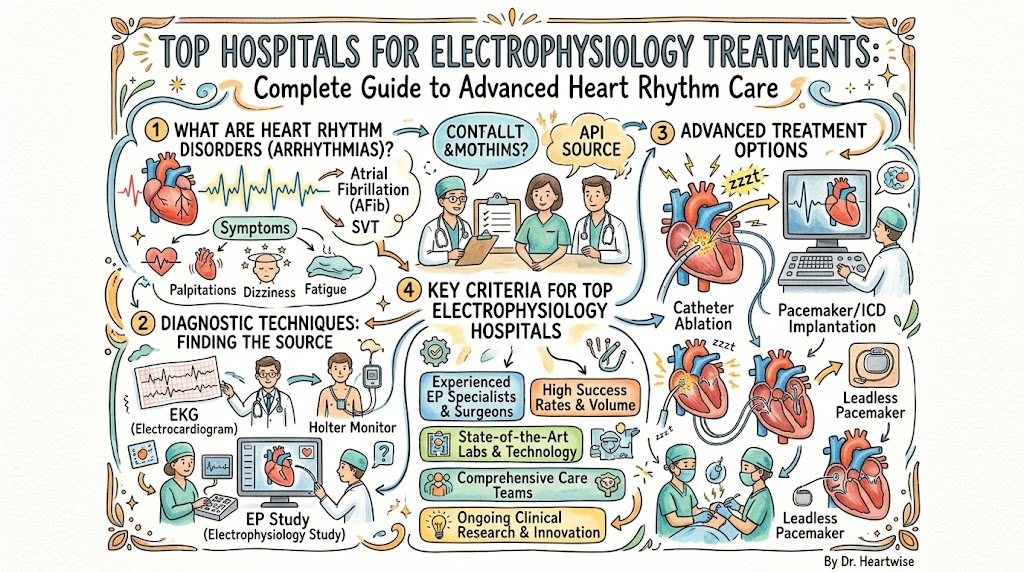
Your heart is a masterpiece of precision engineering, relying on a sophisticated electrical system to keep every beat in rhythm. When that electrical highway faces disruptions, it can cause distressing sensations like racing, fluttering, or skipping beats. These irregularities, known as arrhythmias, require a high level of expertise to diagnose and correct, ensuring your heart maintains its vital task of circulating blood efficiently.
Electrophysiology is the specialized field of cardiology dedicated entirely to these electrical pathways. It allows doctors to map the heart’s activity with remarkable accuracy and deliver life-changing treatments. Choosing the right facility for this care is a significant decision. You deserve a team that combines cutting-edge technology with extensive clinical experience.
In this guide, we will walk you through what to look for in a top-tier electrophysiology program, the advanced procedures that can restore normal rhythm, and how to prepare for your journey to better heart health. For reliable information and resources to guide your search for high-quality care, visit BestCardiacHospitals. Our aim is to empower you with the knowledge needed to make the best decision for your heart.
Quick Answer
Electrophysiology (EP) treatments are specialized medical procedures designed to diagnose and correct abnormal heart rhythms (arrhythmias) by targeting the heart’s electrical system. These include catheter ablations to disrupt faulty electrical pathways and the implantation of life-saving devices like pacemakers or defibrillators. Specialized electrophysiology hospitals are vital because they feature experienced sub-specialized cardiologists, advanced 3D cardiac mapping technology, and hybrid operating rooms. Choosing such a hospital significantly reduces procedure risks, ensures the most accurate diagnosis, and provides better long-term outcomes for complex heart rhythm management.
Understanding Electrophysiology
What Is Cardiac Electrophysiology?
Cardiac electrophysiology is a sub-specialty of cardiology that focuses on the electrical activity of the heart. While standard cardiologists treat plumbing issues like blocked arteries, electrophysiologists (EPs) treat the “wiring” issues that cause your heart to beat too fast, too slow, or irregularly.
How the Heart’s Electrical System Works
Your heart has a natural pacemaker called the sinus node. It sends electrical impulses that travel through specialized pathways, triggering the heart muscle to contract in a perfect, rhythmic sequence. When these signals follow the right path, your heart functions efficiently.
Why Heart Rhythm Disorders Occur
Arrhythmias happen when the electrical signals are triggered incorrectly, are blocked, or follow abnormal, circuitous routes. This can be caused by aging, underlying heart disease, high blood pressure, genetics, or even lifestyle factors that stress the heart’s electrical integrity.
Importance of Early Diagnosis
Early detection is critical. Many arrhythmias are progressive; if left unmanaged, they can lead to structural changes in the heart, blood clots, stroke, or heart failure. Identifying a rhythm disorder early often allows for simpler, less invasive treatment options.
Role of Electrophysiology Specialists
Electrophysiologists are cardiologists who have completed additional years of rigorous training specifically in heart rhythm disorders. They are the experts you consult when your heartbeat feels “off,” as they possess the skill to map and fix the source of the electrical disruption.
Common Heart Rhythm Disorders Treated
Atrial Fibrillation (AFib)
AFib is the most common heart rhythm disorder. It occurs when the upper chambers of the heart (atria) quiver instead of beating effectively. This can lead to blood pooling and a significantly increased risk of stroke.
Atrial Flutter
Similar to AFib, atrial flutter involves the upper chambers of the heart. However, it is usually characterized by more organized, rapid electrical circuits, leading to a very fast but regular heart rate.
Supraventricular Tachycardia (SVT)
SVT is a broad term for rapid heartbeats originating above the heart’s lower chambers (ventricles). It often presents as sudden, intense episodes of a racing heart that may resolve as quickly as they start.
Ventricular Tachycardia
This is a fast heart rhythm that starts in the lower chambers (ventricles). It is a more serious condition because it can compromise the heart’s ability to pump blood to the rest of the body, potentially leading to cardiac arrest.
Bradycardia
Bradycardia is the opposite of tachycardia—a heart rate that is too slow. It often occurs when the heart’s natural pacemaker or the conduction system fails to send or transmit signals properly, sometimes requiring a pacemaker.
Premature Heartbeats
Often felt as “flutters” or “skips,” premature beats are extra heartbeats. While many are benign, a high frequency of these beats can be symptomatic and may require medical evaluation to ensure no underlying condition exists.
Sudden Cardiac Rhythm Disorders
These are rare but serious conditions where the heart’s electrical system suddenly malfunctions. Electrophysiology hospitals specialize in assessing risk and providing preventive strategies, such as the implantation of defibrillators.
What Makes a Top Electrophysiology Hospital?
Experienced Electrophysiologists
The most important factor is the team. A top hospital employs board-certified electrophysiologists who perform a high volume of procedures. Experience translates directly into precision and safer outcomes for patients.
Advanced Cardiac Imaging
Modern EP care requires high-resolution imaging. Top hospitals utilize advanced echocardiography, cardiac MRI, and CT scans to visualize the heart’s anatomy in incredible detail before any procedure even begins.
Dedicated Electrophysiology Laboratories
Specialized EP labs are equipped differently than standard cath labs. They contain high-end computer systems for recording electrical activity from inside the heart, which is essential for accurate mapping.
Hybrid Cardiac Operating Rooms
Some cases require both traditional surgery and minimally invasive electrical procedures. Hybrid operating rooms allow the team to transition seamlessly between these modalities, providing the ultimate safety net for the patient.
Comprehensive Arrhythmia Programs
A top hospital does not just treat the rhythm; it treats the person. These programs include specialized nurses, heart failure specialists, and anticoagulation clinics to ensure a holistic approach to care.
Emergency Cardiac Support
Even routine procedures have a small risk of complications. A top-tier hospital is always prepared with rapid response teams, surgical backup, and advanced life support should an unexpected emergency occur.
Long-Term Follow-Up Care
Rhythm management is a marathon, not a sprint. The best hospitals provide structured, long-term follow-up protocols, often utilizing remote monitoring to keep track of your device or rhythm status without requiring constant office visits.
Advanced Technologies Used in Electrophysiology
3D Cardiac Mapping Systems
These systems create a live, three-dimensional digital model of your heart’s chambers. They allow the doctor to see exactly where the electrical signal is going wrong in real-time, acting like a GPS for the heart.
Catheter Ablation Technology
Ablation uses energy—usually radiofrequency (heat) or cold—to create tiny scars on the heart tissue. These scars block the abnormal electrical pathways, effectively “rerouting” the signal back to its normal track.
Cryoablation Systems
Cryoablation is a specialized form of ablation that uses extreme cold to freeze the abnormal tissue. It is particularly effective for treating conditions like AFib, often allowing for shorter procedure times.
Implantable Cardiac Devices
From tiny, leadless pacemakers to sophisticated ICDs (Implantable Cardioverter Defibrillators), these devices are feats of modern medicine that sit beneath the skin to monitor and correct rhythms automatically.
Remote Heart Monitoring
Modern devices can transmit your heart’s data wirelessly to your clinic. This allows your EP team to catch rhythm changes long before you feel any symptoms, enabling proactive care.
AI-Assisted Rhythm Analysis
Artificial intelligence algorithms can now review thousands of hours of heart rhythm data in seconds, identifying subtle patterns or rare events that human reviewers might otherwise miss.
Digital Patient Tracking Systems
Integrated digital health platforms keep your entire care team—from your primary cardiologist to your surgeon—on the same page, ensuring that your treatment plan is always based on the latest information.
Benefits of Specialized Electrophysiology Centers
Accurate Diagnosis
Because they focus exclusively on the heart’s electrical system, these centers have the specialized knowledge to distinguish between complex rhythm disorders that may look similar to others.
Personalized Treatment Plans
Your heart’s anatomy is unique. Specialized centers tailor their approach, choosing the precise catheter, energy source, or device that offers you the best chance of long-term success.
Improved Patient Outcomes
Studies consistently show that patients treated in high-volume, specialized centers experience fewer complications and have higher rates of successfully maintaining a normal heart rhythm.
Access to Advanced Technologies
If you have a complex case that has failed standard treatment, a top center is the most likely place to offer the latest experimental or next-generation therapies.
Reduced Procedure Risks
Efficiency and expertise reduce time under anesthesia and procedure duration. Both factors are directly linked to a lower risk of bleeding, infection, or cardiac injury.
Better Long-Term Rhythm Management
Specialized centers understand that success isn’t just a successful procedure; it’s a lifetime of rhythm stability. They provide the ongoing support, monitoring, and lifestyle guidance necessary to keep you healthy.
Comparison Table: Common Arrhythmias and Treatment Options
| Arrhythmia | Primary Symptoms | Standard Treatment | Advanced Intervention |
| Atrial Fibrillation | Fluttering, fatigue, breathlessness | Rate control meds | Catheter or Cryoablation |
| Atrial Flutter | Fast, regular heart rate | Cardioversion | Targeted Ablation |
| SVT | Sudden racing heartbeat | Vagal maneuvers | Electrophysiology Ablation |
| Ventricular Tachycardia | Fainting, chest pain | Anti-arrhythmic meds | ICD Implantation |
| Bradycardia | Dizziness, lethargy | Lifestyle monitoring | Pacemaker Implantation |
Comparison Table: Catheter Ablation vs Medication Therapy
| Feature | Medication Therapy | Catheter Ablation |
| Primary Goal | Manage symptoms, prevent fast rates | Remove the electrical source |
| Invasiveness | Non-invasive (pills) | Minimally invasive (catheters) |
| Effectiveness | Moderate (long-term) | High (curative potential) |
| Side Effects | Common (fatigue, dizziness) | Rare (procedure-related) |
| Commitment | Daily, long-term adherence | Procedure with recovery time |
Symptoms of Heart Rhythm Disorders
Palpitations
This is the most common complaint—a sensation that the heart is racing, pounding, or “flipping” in the chest. While often benign, they should be documented by a physician.
Dizziness and Lightheadedness
If the heart beats too fast or too slow, it may not pump enough oxygen to the brain. This can cause brief spells of feeling lightheaded, especially upon standing.
Shortness of Breath
An ineffective rhythm can back up fluid into the lungs or simply reduce overall cardiac output, leading to breathlessness even during light activity.
Chest Discomfort
While often associated with blockages, chest pain or pressure can also result from an extremely fast heart rate that deprives the heart muscle itself of oxygen.
Fatigue
A heart that isn’t pumping in a rhythmic, coordinated fashion is working harder but producing less efficiency, leading to a constant, unexplained sense of exhaustion.
Fainting Episodes
A fainting spell (syncope) is a serious warning sign. It often suggests that the rhythm was so abnormal that blood flow to the brain was momentarily interrupted.
Diagnosing Heart Rhythm Disorders
Medical History Evaluation
Your specialist will start with a deep dive into your history, asking about diet, medication, family health, and the exact circumstances under which you feel your symptoms.
Electrocardiogram (ECG)
The standard ECG provides a “snapshot” of your heart’s electrical activity at that exact moment. It is the first step in identifying clear patterns of rhythm disorder.
Holter Monitoring
For symptoms that come and go, a 24- to 48-hour Holter monitor is worn to record every single beat of your heart, capturing intermittent issues a standard ECG might miss.
Event Monitoring
If symptoms are less frequent, an event monitor can be worn for weeks. You press a button when you feel symptoms to record the electrical activity during the episode.
Electrophysiology Studies (EP Study)
The EP study is an invasive diagnostic test. Doctors pass catheters into the heart to stimulate it and map the electrical system from the inside, identifying exactly where a “short circuit” may exist.
Advanced Cardiac Imaging
Sometimes, the cause of the rhythm problem is a structural issue, such as a scar from a previous heart attack. CT and MRI scans help visualize these physical abnormalities.
Common Electrophysiology Treatments
Catheter Ablation
During this procedure, catheters are inserted through the veins in the leg. The EP navigates them to the heart and uses heat or cold to destroy the tiny areas of tissue causing the problem.
Cryoablation
This method is specifically popular for AFib. It uses a balloon-tipped catheter filled with freezing coolant to “freeze” the tissue around the pulmonary veins, blocking the triggers for AFib.
Pacemaker Implantation
If your heart is beating too slowly, a small device is implanted near the collarbone. It senses when your heart rate drops too low and sends a tiny electrical impulse to keep it in a healthy range.
Implantable Cardioverter Defibrillators (ICDs)
For patients at risk of dangerous ventricular rhythms, an ICD is the gold standard. It monitors the heart 24/7 and, if it detects a life-threatening rhythm, delivers a lifesaving “shock” to reset the heart.
Cardiac Resynchronization Therapy (CRT)
This is a special type of pacemaker for heart failure patients. It stimulates both sides of the heart to beat in sync, significantly improving the heart’s pumping efficiency.
Medication Management
Sometimes, medications are the primary treatment. These include beta-blockers, calcium channel blockers, or anti-arrhythmic drugs that help stabilize the heart’s electrical activity.
Preparing for Electrophysiology Procedures
Pre-Procedure Evaluation
You will undergo blood tests, an ECG, and potentially an echocardiogram. Your team needs a baseline of your health before you enter the EP lab.
Medication Review
Some medications, especially blood thinners, may need to be adjusted or temporarily stopped. Always provide your specialist with a complete, accurate list of everything you take.
Lifestyle Considerations
You may be asked to fast before the procedure. Arrange for someone to drive you home, as you will likely be sedated during the operation.
Questions Patients Should Ask
Ask about the success rate for your specific condition, the typical recovery timeline, and what the long-term success “looks like” for someone with your profile.
Understanding Recovery Expectations
You will need to remain quiet for a few hours immediately following the procedure while the puncture site heals. Most patients are home within 24–48 hours, depending on the procedure.
Recovery and Long-Term Care
Immediate Recovery After Procedures
For the first few days, you should avoid heavy lifting or vigorous exercise. The site where the catheters were inserted needs time to close and heal completely.
Follow-Up Appointments
These are non-negotiable. Your specialist will perform follow-up ECGs or device checks to ensure that the treatment is holding and that the heart has adapted to the changes.
Lifestyle Modifications
Often, rhythm management includes changes to reduce stress on the heart. This might include managing blood pressure, limiting caffeine or alcohol, and improving sleep.
Monitoring Heart Health
If you have a device, your hospital will likely set up a remote monitor at your bedside that talks to your pacemaker or ICD and sends data to the clinic automatically.
Preventing Future Arrhythmias
The best way to prevent a recurrence is to stay on your prescribed medication, maintain your follow-up schedule, and report any return of symptoms immediately.
Risks and Potential Complications
Bleeding Risks
Because catheters are inserted into blood vessels, there is a risk of bruising or bleeding at the puncture site. Specialized centers use advanced closure devices to minimize this.
Infection Risks
As with any procedure involving the skin, infection is a risk. Top hospitals utilize strict sterile protocols to keep the risk of infection extremely low.
Device-Related Complications
For those getting pacemakers or ICDs, there is a small risk of lead displacement or pocket irritation. These are generally manageable with simple adjustments.
Recurrence of Arrhythmias
Arrhythmias can return, especially in complex cases. Often, this is not a failure of the procedure but a sign that the heart’s electrical system has “re-wired” elsewhere.
How Specialized Hospitals Reduce Risks
They have the most experienced teams, the best imaging guidance, and the most robust emergency backup, making them the safest place to undergo these specific interventions.
How to Choose the Right Electrophysiology Hospital
Experience of Specialists
Look for hospitals that publish their procedure volumes. Surgeons and EPs who do more procedures generally achieve better outcomes.
Technology and Infrastructure
Ask if the hospital uses 3D mapping and if they offer advanced therapies like cryoablation. The presence of these tools shows a commitment to the latest standards.
Success in Complex Cases
If you have a complex rhythm issue, search for academic medical centers that handle “redo” procedures, as these facilities are equipped for the most difficult scenarios.
Availability of Emergency Services
Ensure the hospital has a 24/7 cardiovascular surgical team on-site. Even if you don’t need them, their availability is a marker of a truly comprehensive cardiac program.
Rehabilitation and Follow-Up Programs
Look for a hospital that provides more than just the procedure. A dedicated follow-up clinic or a remote monitoring team is a sign of long-term partnership.
Questions Patients Should Ask
“How many of these procedures does your team perform annually?” and “What is your center’s specific success rate for this type of arrhythmia?”
Cost and Financial Considerations
Factors Affecting Treatment Costs
The cost depends on the procedure type, the technology used (e.g., the cost of a device), the length of hospital stay, and the specific expertise level of the team.
Procedure Complexity
A simple SVT ablation is significantly less costly than an AFib ablation or a complex CRT device implantation due to time and resource requirements.
Device Costs
Modern implantable devices are highly sophisticated pieces of technology. Their cost is a significant portion of the total bill, reflecting the advanced hardware involved.
Hospital Stay Expenses
While many EP procedures are “same-day,” some complex cases require overnight observation. These costs vary by facility and local healthcare market factors.
Insurance and Financial Planning
Always contact your insurance provider to understand your coverage. Many top hospitals have dedicated financial counselors who can help you navigate this process.
Future of Electrophysiology
AI in Cardiac Rhythm Management
AI will soon allow doctors to predict AFib episodes before they happen, allowing for preventative medicine rather than reactive procedures.
Next-Generation Ablation Technologies
We are seeing the development of pulse-field ablation, which uses electrical fields rather than heat or cold to treat tissue, potentially making procedures even faster and safer.
Wearable Heart Monitoring Devices
Smartwatches and consumer-grade monitors are becoming clinical-grade. They allow patients to capture their own rhythms, providing doctors with real-time data from daily life.
Personalized Cardiac Care
Genetic testing is becoming part of the diagnostic process, helping doctors understand if your rhythm disorder is inherited and which drugs you are most likely to respond to.
Digital Health Innovations
Integrated health apps will soon allow patients to manage their lifestyle, diet, and medication adherence in one place, while instantly communicating with their EP team.
Key Takeaways
- The heart’s electrical system is complex and requires specialized EP care.
- Electrophysiologists are the cardiologists who focus on heart rhythm disorders.
- Common arrhythmias include AFib, SVT, and ventricular conditions.
- Early diagnosis prevents structural damage to the heart and serious complications like stroke.
- Advanced tech like 3D mapping and ablation can cure many rhythm disorders.
- Specialized hospitals provide better outcomes and lower risk profiles.
- Always choose a center based on volume and experience.
- Preparation and lifestyle changes are key parts of the recovery process.
- Remote monitoring is the standard for long-term device and rhythm tracking.
- The future of EP is becoming more personalized and AI-driven.
FAQ Section
1.What is the difference between a cardiologist and an electrophysiologist?
A general cardiologist focuses on the heart’s structure and blood flow (plumbing). An electrophysiologist is a sub-specialist who focuses specifically on the heart’s electrical activity (wiring).
2.Is catheter ablation painful?
No. You are typically under sedation or general anesthesia during the procedure. You may feel some mild pressure in the chest, but it is not considered a painful procedure.
3.How long does a pacemaker last?
Most modern pacemakers have batteries that last between 8 and 12 years. When the battery runs low, the device is replaced in a simple, routine procedure.
4.Will I be cured after an ablation?
Success depends on the type of arrhythmia. Many patients are effectively cured, while others may require medication or a repeat procedure if the arrhythmia returns.
5.Can I travel with an implantable cardiac device?
Yes, you can. You will be provided with an ID card for your device to show to airport security. Modern devices are well-shielded from common electronic interference.
6.How do I know if my palpitations are serious?
Any palpitation that is accompanied by dizziness, fainting, or chest pain should be evaluated by a doctor immediately.
7.What is “mapping” during an EP study?
Mapping involves using specialized catheters to record electrical signals from inside your heart, creating a 3D picture that identifies the exact location of the “short circuit.”
8.Can I drive after an EP procedure?
Your doctor will provide specific instructions, but generally, you should avoid driving for 24 to 48 hours until the sedation wears off and the puncture site has healed.
9.Does insurance cover electrophysiology procedures?
Most insurance plans cover medically necessary EP procedures and devices, but coverage can vary. Always check with your insurer and the hospital’s financial office before proceeding.
10.Are there non-surgical options for AFib?
Yes, medications can help manage AFib. However, if medication fails or is not tolerated, catheter ablation or cryoablation are the primary non-surgical, minimally invasive interventions.
Conclusion
Your heart rhythm is fundamental to your overall health and vitality. When irregularities occur, you don’t have to navigate the complex world of heart rhythm disorders alone. By seeking care at a top hospital for electrophysiology, you gain access to the specialized expertise and advanced technology necessary to restore your heart’s natural, healthy beat.
Electrophysiology has evolved from an emerging field to a cornerstone of modern, life-saving cardiology. Whether you are dealing with a simple rhythm glitch or a complex heart condition, the right care team can make all the difference in your quality of life. We hope this guide has helped you understand the importance of choosing a specialized facility. For more resources to help you find high-quality care, visit BestCardiacHospitals.com. Your heart deserves the very best—take the first step today.