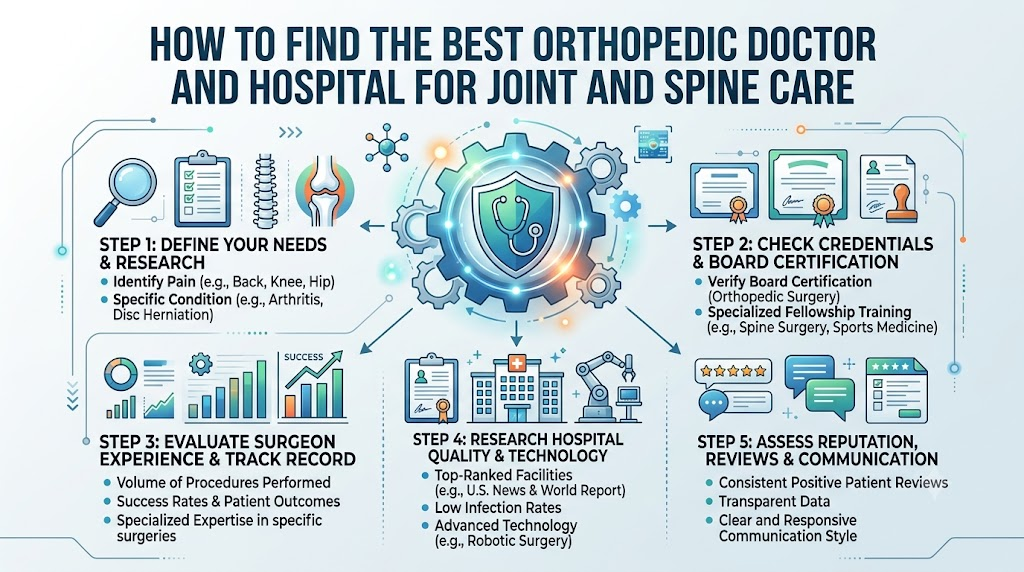
Navigating musculoskeletal health can feel overwhelming. Whether managing progressive joint discomfort, recovering from an acute athletic injury, or considering major surgical intervention, identifying appropriate care requires thoughtful evaluation. BestOrthoHospitals conditions span a vast spectrum, ranging from temporary soft tissue strains and localized inflammation to chronic degenerative disorders like osteoarthritis and complex spinal conditions. Because no two orthopedic issues are identical, finding specialized care tailored to a specific condition, life stage, and mobility goal is an essential step toward long-term recovery.Selecting a healthcare facility involves more than looking at proximity or general reputation. Medical expertise varies widely within the field of orthopedics. A facility that excels in advanced arthroscopic procedures for sports medicine may not necessarily be the optimal choice for complex pediatric spinal reconstruction or revision joint replacement. Patients often benefit from evaluating hospitals based on their specific clinical focus, surgical volume, available diagnostic technologies, and post-operative rehabilitation programs.
Understanding Orthopedic Care
Orthopedics is the branch of medicine dedicated to diagnosing, treating, rehabilitating, and preventing injuries and diseases of the musculoskeletal system. This intricate system includes bones, joints, ligaments, tendons, muscles, and nerves that work together to allow movement. Because these structures are vital to daily mobility, disruptions caused by trauma, degeneration, or congenital factors can significantly impact an individual’s quality of life.
The scope of orthopedic care spans a broad variety of conditions across different body regions:
- Chronic joint conditions, such as osteoarthritis, rheumatoid arthritis, and bursitis.
- Acute traumatic injuries, including bone fractures, joint dislocations, and muscle ruptures.
- Ligament and cartilage damage, such as anterior cruciate ligament tears and meniscus injuries.
- Degenerative and structural spine conditions, including herniated discs, spinal stenosis, and sciatica.
- Overuse and repetitive motion injuries, such as tendinitis, rotator cuff tears, and carpal tunnel syndrome.
A common misconception is that consulting an orthopedic specialist automatically leads to surgical intervention. In reality, modern orthopedic practice prioritizes conservative, non-surgical approaches whenever clinically appropriate. Conservative management may involve customized physical therapy, targeted exercise programs, lifestyle and ergonomic modifications, supportive bracing, and medications to control pain and inflammation. In instances where conservative treatments do not provide sufficient relief or function, specialized procedures, image-guided injections, or surgery may be considered. Understanding the full spectrum of available treatments allows patients to work collaboratively with healthcare providers to determine the most effective treatment plan.
What to Look for When Choosing an Orthopedic Hospital
Selecting a healthcare facility requires evaluating several structural, clinical, and operational factors. A hospital’s overall infrastructure directly influences the safety, efficiency, and comfort of a patient’s care journey. When evaluating institutions, individuals should look beyond general appearances and examine the specific capabilities that align with their anticipated medical needs.
Key considerations when evaluating healthcare facilities include:
- Specialized Orthopedic Units: Facilities with dedicated musculoskeletal departments often feature specialized nursing staff, dedicated surgical suites, and custom-designed recovery units that streamline patient care.
- Diagnostic Infrastructure: High-resolution imaging capabilities—such as advanced MRI, CT scans, and digital X-rays—ensure precise diagnostic evaluations and surgical planning.
- Surgical Capabilities and Technology: Advanced surgical suites equipped with modern monitoring, minimally invasive instrument sets, and intraoperative imaging support precise surgical procedures.
- Comprehensive Rehabilitation Services: On-site physical therapy, occupational therapy, and dedicated rehabilitation facilities are critical for restoring mobility and strength after treatment.
- Quality and Safety Credentials: Verification of facility licensing, adherence to stringent infection-control standards, and positive accreditation status reflect a commitment to patient safety and quality control.
- Emergency and Critical Support: Access to emergency services, intensive care units, and multidisciplinary specialists offers essential support should unexpected complications arise.
- Administrative and Financial Clarity: Transparent communication regarding insurance coverage, billing policies, and post-discharge support helps prevent unnecessary administrative burden during recovery.
Evaluating these elements ensures that the chosen hospital can provide safe, continuous, and effective care from initial assessment through post-treatment recovery.
How to Find the Best Orthopedic Doctors
The outcome of any medical treatment depends significantly on the skill, knowledge, and experience of the treating physician. While general orthopedic surgeons receive broad training in musculoskeletal health, many pursue subspecialty fellowship training to focus exclusively on specific anatomical regions or treatment modalities, such as joint reconstruction, sports medicine, hand and upper extremity, or spine care.
When evaluating potential physicians, patients should consider the following professional criteria:
- Board Certification and Subspecialty Training: Verifying board certification ensures that a physician has completed accredited residency training and rigorous examinations. Fellowship training indicates specialized expertise in a specific subfield.
- Experience with Specific Conditions: Asking about a doctor’s experience with a particular diagnosis or procedure provides insight into their familiarity with current techniques and potential variations in care.
- Hospital Affiliations: The facilities where a physician holds clinical privileges reflect their professional standing and determine where surgical or specialized inpatient care would take place.
- Communication and Consultation Approach: A physician who listens attentively, explains complex medical terms clearly, outlines potential risks and benefits, and respects patient values fosters a strong therapeutic relationship.
- Treatment Philosophy: Understanding whether a physician favors conservative non-surgical approaches before recommending surgical intervention helps align treatment strategies with patient preferences.
The ideal doctor is one who possesses the required clinical expertise, maintains strong professional credentials, and engages in clear, empathetic communication that supports shared decision-making.
Finding the Best Orthopedic Hospital Near Me
Geographic location plays a practical and often crucial role in healthcare planning. When managing a long-term orthopedic condition or preparing for elective surgery, proximity can significantly influence the overall treatment experience. Frequent travel for consultations, preoperative testing, imaging appointments, and post-operative physical therapy can become physically demanding and financially burdensome.
However, selecting a facility purely based on proximity requires balancing convenience with clinical capabilities. While a local clinic may be ideal for routine follow-ups or initial evaluations, highly complex surgical reconstructions or specialized procedures may justify traveling to a regional tertiary medical center. Considerations surrounding location include:
- Ease of travel for frequent physical therapy and follow-up visits.
- Accessibility of emergency transportation and urgent post-procedure evaluations.
- Comfort and convenience for family members or caregivers providing support.
- Transport arrangements following surgical discharge, especially when mobility is restricted.
Evaluating location involves weighing the convenience of nearby care against the potential necessity for specialized institutional expertise, ensuring that distance does not compromise care quality or recovery comfort.
Choosing the Best Hospital for Knee Replacement
Knee replacement surgery, or knee arthroplasty, is a common procedure designed to relieve severe joint pain and restore mobility in individuals with advanced joint degeneration, most frequently caused by osteoarthritis. Selecting a facility for knee joint care requires examining the institution’s total approach to joint management, from preoperative education to long-term rehabilitation.
Essential aspects of a comprehensive joint replacement program include:
- Preoperative Evaluation and Education: Comprehensive assessments that review medical history, joint biomechanics, and cardiovascular health, complemented by patient education sessions that set clear expectations for recovery.
- Surgical Precision and Volume: Experienced surgical teams operating in high-volume joint centers often maintain refined protocols that support operational efficiency and standardized infection control.
- Pain Management Protocols: Multimodal pain management strategies—combining regional nerve blocks, non-opioid medications, and localized therapies—help manage post-operative discomfort while minimizing side effects.
- Integrated Physical Therapy: Early mobilization programs, often beginning within hours of surgery, help restore joint motion, prevent stiffness, and reduce the risk of vascular complications.
- Implant Education and Selection: Clear discussions regarding implant materials, design choices, and biological fixation methods tailored to individual activity levels and bone structure.
A well-structured joint replacement program focuses on every stage of the patient journey, emphasizing functional restoration, patient education, and long-term joint health.
Choosing the Best Hospital for Hip Replacement
Hip replacement surgery involves replacing a damaged or arthritic hip joint with artificial components designed to restore pain-free movement. Because the hip is a primary weight-bearing joint, selecting a hospital with established expertise in hip care is central to achieving positive long-term outcomes.
When researching facilities for hip replacement, key factors to examine include:
- Surgical Approaches: Facilities offering various surgical surgical approaches allow surgeons to tailor the procedure to the patient’s unique anatomy, bone quality, and joint structure.
- Preoperative Planning and Imaging: Advanced diagnostic imaging supports precise implant sizing, orientation, and alignment planning prior to entering the operating room.
- Inpatient and Outpatient Recovery Facilities: Dedicated recovery areas designed to support physical therapy, mobility training, and safe movement techniques tailored to post-operative hip precautions.
- Comprehensive Mobility Support: Access to physical therapists who guide patients through gait training, stair climbing, and safe transitions to foster independence after discharge.
- Follow-Up and Long-Term Monitoring: Structured follow-up protocols to monitor implant stability, joint function, and soft tissue healing over time.
By evaluating these elements, patients can identify institutions equipped to support safe surgical intervention and comprehensive physical rehabilitation.
What Makes a Good Joint Replacement Hospital?
Evaluating a facility for general joint replacement—whether involving knees, hips, shoulders, or ankles—requires looking at the institution’s overall approach to orthopedic excellence. High-quality joint replacement programs operate through coordinated care pathways that bring together multidisciplinary medical professionals.
Key features of established joint replacement centers include:
- Multidisciplinary Teamwork: Collaboration between orthopedic surgeons, anesthesiologists, physical therapists, occupational therapists, specialized nurses, and primary care physicians to manage all aspects of patient health.
- Standardized Patient Protocols: Well-defined pathways for preoperative clearance, infection prevention, blood management, and post-discharge care that reduce variations in service delivery.
- Patient-Centered Education: Formal education modules that help patients and their families understand surgical preparation, home safety modifications, and post-operative exercise routines.
- Focus on Rehabilitation: Dedicated physical therapy units focused on helping patients achieve functional goals, regain independence, and safely return to daily activities.
- Continuous Quality Review: Institutional commitment to monitoring clinical outcomes, tracking infection control metrics, and continually refining patient protocols.
When a hospital prioritizes coordinated care, structured education, and clinical safety, patients receive supported, consistent care throughout their treatment journey.
Choosing a Spine Surgery Hospital
Spinal conditions present complex clinical challenges due to the proximity of delicate neural structures, including the spinal cord and nerve roots. Conditions such as herniated discs, spinal stenosis, spondylolisthesis, and degenerative disc disease can cause severe localized pain, numbness, or weakness in the extremities. Given the complexity of spinal care, choosing an appropriate medical facility is a critical step for patients exploring treatment options.
Key considerations for evaluating spine care facilities include:
- Specialized Spine Surgeons: Facilities staffed by orthopedic spine surgeons or neurosurgeons who have completed advanced subspecialty fellowship training in complex spine care.
- Emphasis on Conservative Care: Institutions that integrate non-surgical spine specialists, physical medicine and rehabilitation experts, interventional pain managers, and physical therapists to exhaust non-operative options before considering surgery.
- Advanced Diagnostic Capabilities: High-resolution MRI, CT myelography, and electrodiagnostic testing facilities that accurately identify structural issues and nerve involvement.
- Surgical Precision and Equipment: Operating rooms equipped with specialized surgical microscopes, intraoperative neurological monitoring systems, and advanced imaging technology to protect neural health.
- Dedicated Post-Operative Care: Post-surgical management focused on neurological assessments, pain control, gradual mobilization, and spinal protection protocols.
A patient-centered spine facility prioritizes conservative management, utilizing surgical intervention only when clinically indicated and thoroughly evaluated.
Finding a Hospital for Sports Injuries
Sports injuries can affect athletes and active individuals of all ages and fitness levels. Musculoskeletal trauma occurring during athletic activity often involves ligaments, tendons, cartilage, and bone structures, requiring targeted evaluation and treatment to promote optimal healing and functional recovery. Common sports conditions include anterior cruciate ligament tears, rotator cuff injuries, meniscus tears, ankle sprains, and stress fractures.
Essential components of a comprehensive sports injury facility include:
- Sports Medicine Specialists: Fellowship-trained physicians who understand the unique physical demands placed on active individuals and specialize in joint preservation and tissue restoration.
- Diagnostic Imaging and Arthroscopy: Access to rapid diagnostic imaging and minimally invasive arthroscopic capabilities that allow for precise joint evaluation and tissue repair with minimal disruption to surrounding tissue.
- Tailored Rehabilitation Programs: Physical therapy facilities equipped with sport-specific rehabilitation gear and physical therapists trained in movement analysis, functional strengthening, and gradual conditioning.
- Injury Prevention and Conditioning: Education on biomechanics, training techniques, and flexibility exercises designed to reduce the risk of recurring injuries upon returning to physical activity.
- Return-to-Activity Frameworks: Structured, objective criteria used by clinical teams to assess joint stability, strength, and movement patterns before clearing an individual to safely resume sports or heavy physical labor.
Selecting a hospital with dedicated sports medicine expertise ensures that care strategies focus not only on initial healing, but also on long-term functional restoration and movement health.
How to Compare Top Orthopedic Hospitals
Comparing healthcare facilities requires a structured approach that prioritizes factual evidence, personal clinical requirements, and practical considerations over marketing or unverified claims. Because every patient’s medical situation is unique, the institution that suits one individual may not be the optimal choice for another.
A balanced framework for comparing facilities includes evaluating:
- Clinical Specialization: Confirming that the hospital maintains recognized expertise and subspecialization in the specific condition or procedure required.
- Medical Team Credentials: Researching the qualifications, fellowship training, board certifications, and professional background of affiliated orthopedic specialists.
- Facility Resources: Assessing available diagnostic technology, operating suite capabilities, inpatient recovery units, and on-site physical therapy services.
- Patient Safety and Hygiene Protocols: Reviewing facility compliance with health regulations, accredited standards, and rigorous infection-control practices.
- Logistical Practicality: Considering facility location, ease of travel, parking access, family accommodations, and communication procedures.
- Insurance and Administrative Alignment: Verifying that the facility and treating physicians fall within relevant health insurance networks to ensure straightforward coverage.
Systematically analyzing these criteria allows individuals to narrow down options objectively, focusing on facilities that meet both clinical requirements and personal circumstances.
Questions to Ask an Orthopedic Doctor
A successful consultation depends on open, clear communication. Preparing specific questions prior to an appointment helps patients gather essential information, understand their diagnosis, and actively participate in treatment decisions.
Consider asking the following questions during an evaluation:
- What is the precise diagnosis, and what underlying structural or tissue changes are causing these symptoms?
- What non-surgical treatment options are available, and what are the expected outcomes of these conservative approaches?
- If surgical treatment is being discussed, what specific procedure is proposed, and why is it recommended for this condition?
- What are the potential risks, benefits, and expected recovery timelines associated with the proposed treatment option?
- How long is the recovery period, and what specific mobility restrictions or physical therapy requirements should be anticipated?
- What experience do you have with performing this specific procedure or managing this condition?
- What non-surgical alternatives exist if treatment is delayed, and what are the potential consequences of postponing intervention?
- What post-operative or post-treatment follow-up care will be necessary to monitor long-term progress?
Asking targeted questions transforms consultations into collaborative discussions, ensuring that patients leave with a clear understanding of their care pathway.
How to Prepare for an Orthopedic Consultation
Thorough preparation for a medical appointment helps ensure that the physician receives complete, accurate clinical information, leading to a more efficient and insightful consultation.
Bring Relevant Medical Records
Gathering comprehensive medical documentation provides the physician with an accurate historical baseline. Patients should bring:
- Prior diagnostic imaging results, such as X-rays, MRI scans, or CT scans, along with actual image files on disc or digital format if available.
- Formal radiology reports detailing findings from previous imaging studies.
- Records or operative notes from past orthopedic surgeries or joint procedures.
- Written summaries of previous conservative treatments, including physical therapy notes, bracing history, or injection records.
Describe Symptoms Clearly
Providing a detailed narrative of symptoms helps the specialist understand the condition’s progression. Be prepared to explain:
- The precise locations where pain, stiffness, or instability occur.
- When symptoms first began and whether they arose suddenly due to an injury or developed gradually.
- Specific activities, body positions, or times of day that exacerbate or relieve symptoms.
- How the condition impacts daily mobility, work responsibilities, sleep quality, and recreational activities.
Prepare Questions
Writing down questions prior to the appointment ensures that critical concerns are addressed during the meeting. Organizing questions by priority helps focus the conversation on essential diagnostic and treatment topics.
Share Relevant Medical History
Disclosing general health history is necessary because underlying conditions can influence orthopedic treatment choices. Be ready to share information regarding:
- Current prescription medications, over-the-counter drugs, and dietary supplements.
- Chronic health conditions, such as diabetes, hypertension, cardiovascular disease, or autoimmune disorders.
- Known allergies to medications, metals, latex, or surgical materials.
- Previous surgical procedures and any past reactions to anesthesia.
Discuss Treatment Options
Engage in an open dialogue regarding all potential management pathways. Ask the physician to outline both conservative non-surgical approaches and surgical options, discussing how each aligns with daily functional goals, recovery timelines, and long-term health.
Common Mistakes to Avoid When Choosing an Orthopedic Hospital
Navigating healthcare choices can be challenging, and certain common oversights can complicate the decision-making process. Recognizing these potential pitfalls helps patients avoid missteps and make well-informed healthcare decisions.
Common mistakes include:
- Relying Solely on Online Search Positions: Assuming that a hospital appearing first in internet search results is inherently the most qualified facility for a specific medical condition.
- Assuming Cost Equates to Quality: Believing that higher treatment costs automatically reflect superior clinical skill or better health outcomes.
- Overlooking Physician Subspecialization: Selecting a general specialist for a highly complex procedure that would benefit from a subspecialist with fellowship training.
- Focusing Exclusively on Surgical Intervention: Neglecting to evaluate a facility’s conservative care capabilities, physical therapy resources, and non-surgical treatment programs.
- Ignoring Practical Location Factors: Choosing a distant hospital without considering the physical stress and logistical burden of frequent post-operative travel for physical therapy and follow-up visits.
- Overestimating Unverified Reviews: Relying completely on anonymous online commentary rather than verified clinical credentials, professional referrals, and accredited standards.
- Skipping Alternative Opinion Options: Proceeding with major elective surgical procedures without seeking a second clinical opinion to confirm the diagnosis and review alternative management options.
- Delaying Care Due to Research Overwhelm: Spending excessive time gathering information online while postponing necessary medical evaluation by a qualified physician.
Avoiding these common errors ensures a balanced, logical, and practical approach to selecting healthcare services.
How BestOrthoHospitals Can Help Patients Research Their Options
Finding reliable, organized information about orthopedic care can often feel overwhelming. BestOrthoHospitals offers an accessible digital research and comparison platform designed to help patients explore healthcare facilities and specialists efficiently. By organizing complex healthcare data into clear, searchable formats, the platform helps individuals research options based on their specific medical needs, locations, and personal preferences.
Key ways BestOrthoHospitals supports patient research include:
- Location-Based Searching: Allowing users to identify hospitals and doctors within their preferred geographic area, helping balance clinical needs with travel convenience.
- Specialty and Procedure Filtering: Enabling targeted searches focused on specific orthopedic subspecialties, such as joint replacement, spine care, or sports medicine.
- Comprehensive Facility Profiles: Presenting structured information regarding hospital infrastructure, surgical capabilities, diagnostic services, and accreditation credentials.
- Doctor Information Resources: Providing access to educational backgrounds, professional specializations, and hospital affiliations for participating orthopedic physicians.
- Educational Content: Offering informative articles regarding common orthopedic conditions, treatment options, and consultation preparation to promote health literacy.
As an educational research platform, BestOrthoHospitals serves as an initial reference tool to help patients compare options systematically before scheduling direct consultations with licensed healthcare professionals.
Why Patients Should Research Before Choosing Orthopedic Care
Investigating healthcare options before committing to a treatment plan is a fundamental aspect of modern patient advocacy. Conducting thoughtful research helps individuals understand their conditions, anticipate potential treatment pathways, and participate actively in medical decisions.
Key benefits of informed healthcare research include:
- Enhanced Understanding: Gaining foundational knowledge about diagnostic terms, anatomical structures, and potential treatment approaches.
- Better Consultation Preparedness: Formulating meaningful questions that lead to more insightful discussions with treating physicians.
- Clearer Goal Alignment: Identifying facilities and specialists whose clinical expertise and treatment philosophies align with individual mobility and lifestyle goals.
- Improved Confidence: Approaching medical decisions with clarity, reducing anxiety surrounding surgical or non-surgical procedures.
- Practical Planning: Evaluating logistical, financial, and family support requirements well in advance of treatment timelines.
While digital research offers valuable foundational knowledge, it should always complement, rather than replace, direct clinical evaluations conducted by qualified medical experts.
The Growing Role of Digital Healthcare Research
The modern healthcare landscape continues to evolve, with digital resources playing an increasingly prominent role in how individuals access information and manage health decisions. Online tools have made medical knowledge, provider credentials, and facility descriptions more accessible to the public than ever before.
Key developments in digital healthcare research include:
- Centralized Information Portals: Platforms that aggregate details about medical specialties, facility credentials, and clinical offerings into unified directories.
- Enhanced Patient Education Resources: Accessible digital libraries providing clear explanations of medical conditions, diagnostic procedures, and recovery expectations.
- Streamlined Provider Communication: Online scheduling systems and digital intake preparation tools that simplify administrative processes for consultations.
- Remote Preliminary Evaluations: Digital consultation resources that support initial discussions and medical record reviews across geographic boundaries.
These technological developments empower individuals to gather accurate information efficiently, fostering an environment where patients and healthcare providers work as informed partners in health management.
Frequently Asked Questions About Orthopedic Hospitals and Doctors
1.How Do I Choose the Best Orthopedic Hospital?
Choosing an orthopedic hospital involves assessing the facility’s clinical specializations, physician credentials, diagnostic technology, surgical infrastructure, and post-operative physical therapy programs. It is also important to consider practical factors such as location, emergency support capabilities, health insurance compatibility, and verified accreditation status.
2.What Should I Look for in the Best Orthopedic Doctors?
Key factors to consider include board certification, subspecialty fellowship training, experience in treating your specific condition, hospital affiliations, and a clear, respectful communication style. Evaluating whether a physician emphasizes conservative treatment approaches before recommending surgical intervention is also an important consideration.
3.How Can I Find the Best Orthopedic Hospital Near Me?
To find a suitable facility nearby, begin by researching local hospitals with dedicated orthopedic departments. Evaluate their clinical specialties, staff qualifications, diagnostic facilities, and physical therapy services. Balancing proximity with institutional expertise ensures that convenience does not come at the expense of specialized care.
4.How Do I Choose the Best Hospital for Knee Replacement?
Look for facilities with established joint replacement programs that offer comprehensive preoperative assessments, high-volume surgical expertise, multimodal pain management protocols, structured physical therapy, and clear patient education. Confirming that the surgical team has extensive experience in knee reconstruction is highly beneficial.
5.What Should I Consider When Choosing a Hospital for Hip Replacement?
Evaluate the hospital’s surgical expertise, preoperative planning capabilities, recovery facilities, and early-mobilization physical therapy support. Facilities that provide coordinated multidisciplinary care—bringing together surgeons, anesthesiologists, and physical therapists—often support smoother recovery pathways.
6.Do All Orthopedic Problems Require Surgery?
No, a significant majority of orthopedic conditions are managed using non-surgical conservative treatments. These may include customized physical therapy, exercise programs, activity modification, anti-inflammatory medications, supportive bracing, and targeted joint or soft tissue injections. Surgery is generally considered when conservative measures do not provide adequate relief or functional restoration.
7.How Can I Choose a Spine Surgery Hospital?
Focus on institutions staffed by fellowship-trained spine specialists, including orthopedic spine surgeons and neurosurgeons. Ensure the facility offers comprehensive diagnostic imaging, multidisciplinary conservative care programs, advanced intraoperative monitoring technology, and dedicated post-operative neurological recovery management.
8.What Should I Bring to an Orthopedic Consultation?
Bring complete medical documentation, including relevant diagnostic imaging files (X-rays, MRI scans) on disc or digital format, formal radiology reports, past surgical records, a list of current medications, and a written summary of your symptom history and previous conservative treatments.
9.Can Online Hospital Directories Help Me Choose an Orthopedic Hospital?
Yes, reputable online healthcare directories provide a structured, convenient starting point for comparing hospitals, reviewing provider qualifications, exploring available clinical services, and checking facility locations. However, information gathered online should always be verified and discussed with a qualified medical professional.
10.Can BestOrthoHospitals Help Me Research Orthopedic Hospitals and Doctors?
Yes, BestOrthoHospitals provides a digital research platform where patients can explore and compare orthopedic facilities and doctors based on location, clinical subspecialties, available services, and medical procedures, helping streamline initial healthcare research.
Conclusion
Selecting the right orthopedic hospital and physician is a key decision that can significantly influence your recovery and long-term joint health. Because musculoskeletal conditions vary widely—from acute sports injuries to complex degenerative joint and spinal disorders—finding specialized care tailored to your specific needs is essential. Through structured research, careful consultation preparation, and open communication with medical professionals, patients can approach their care options with confidence. Utilizing educational platforms like BestOrthoHospitals can simplify this research journey, helping individuals locate, evaluate, and compare orthopedic facilities and specialists based on location, subspecialization, and clinical services.