Introduction
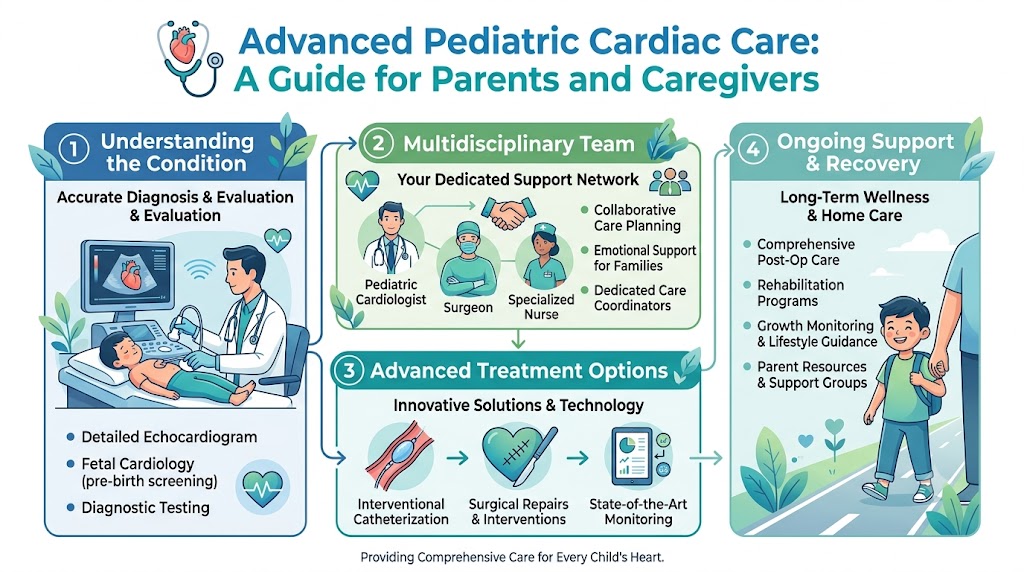
When a child is diagnosed with a heart condition, the journey toward treatment can feel overwhelming for parents and caregivers. Pediatric heart surgery is a highly specialized field that requires a unique combination of surgical precision, advanced diagnostic technology, and a dedicated team that understands the physiological needs of growing children.Choosing the right facility is one of the most critical decisions a family can make. Specialized pediatric cardiac centers provide not only technical expertise but also the comprehensive, family-centered environment necessary for a child’s recovery and long-term health. Understanding the capabilities of these institutions—from their intensive care units to their long-term monitoring programs—is essential for making informed healthcare decisions. For families seeking reliable data and guidance on top-tier facilities, BESTCARDIACHOSPITALS offers an essential resource for navigating the landscape of children’s cardiac services.
Understanding Pediatric Heart Surgery
Pediatric heart surgery focuses on repairing structural defects in the hearts of infants, children, and adolescents. Unlike adult cardiac surgery, which often addresses diseases acquired over time, pediatric heart care frequently deals with congenital heart defects—conditions present at birth.
The difference between adult and pediatric cardiac surgery is significant. A child’s heart is constantly developing, requiring surgeons to consider future growth and function during every procedure. Early diagnosis, often facilitated by advanced prenatal imaging, allows medical teams to develop life-saving treatment plans before or immediately after a child is born.
Why Specialized Pediatric Heart Hospitals Matter
General hospitals are not always equipped to handle the complexities of pediatric cardiac issues. Specialized centers offer a multidisciplinary approach that is vital for successful outcomes.
- Pediatric Cardiac Surgeons: Experts trained specifically to operate on the unique anatomy of pediatric hearts.
- Dedicated Pediatric ICUs: Specialized units staffed by nurses and intensivists who monitor children 24/7.
- Children’s Cardiac Anesthesiology: A crucial team that manages sedation and pain relief specifically tailored for young patients.
- Advanced Imaging: Specialized tools designed for smaller anatomy, such as pediatric-specific echocardiography.
- Multidisciplinary Planning: Surgeons, cardiologists, and specialists work together to ensure a holistic approach to care.
QUICK COMPARISON TABLE
| Hospital Name | Pediatric Cardiac Services | Pediatric ICU | Advanced Diagnostics | Family Support Programs |
| Children’s Heart Institute | Level 1 Full Spectrum | High-Dependency | Pediatric MRI/CT | Comprehensive |
| Summit Pediatric Cardiac | Surgical/Interventional | Intensive Care | Advanced Echo | Family Counseling |
| Metro Children’s Medical | Complex Congenital | Pediatric ICU | Cath Lab | Support Groups |
| Pacific Pediatric Center | Specialized Repair | Cardiac ICU | Cardiac MRI | Rehab Services |
| Horizon Children’s Heart | Acute/Chronic Care | Specialized ICU | 3D Imaging | Educational Support |
Hospitals Specializing in Pediatric Heart Surgery
1. Children’s Heart Institute
Overview: A global leader in complex congenital heart surgery.
- Cardiology Department: Renowned for managing rare heart defects.
- Surgery Services: Specializes in multi-stage reconstructions.
- Strengths: Highly experienced surgical team and advanced research initiatives.
2. Summit Pediatric Cardiac
Overview: Focused on high-volume, life-saving corrective surgeries.
- Diagnostic Technologies: Extensive use of 3D echocardiography and fetal imaging.
- Critical Care: Advanced life-support and respiratory therapy protocols.
- Strengths: Exceptional family-centered care and long-term follow-up clinics.
3. Metro Children’s Medical
Overview: A versatile facility handling both routine repairs and complex emergency cases.
- Pediatric Heart Services: Robust pediatric catheterization and surgical units.
- Support Services: Strong integration of social workers and child life specialists.
- Strengths: Integrated care path from prenatal diagnosis through adult transition.
Common Heart Conditions Treated in Children
- Atrial Septal Defect (ASD): An opening between the heart’s upper chambers.
- Ventricular Septal Defect (VSD): An opening in the wall separating the lower chambers.
- Patent Ductus Arteriosus (PDA): A persistence of a fetal blood vessel that should close after birth.
- Tetralogy of Fallot: A complex combination of four structural heart defects.
- Congenital Valve Disorders: Malformed valves that impact blood flow regulation.
PEDIATRIC HEART CONDITIONS TABLE
| Condition | Description | Common Treatment |
| ASD | Hole between upper chambers | Surgical or catheter repair |
| VSD | Hole between lower chambers | Monitoring or surgery |
| PDA | Open fetal blood vessel | Medication or closure |
| Tetralogy of Fallot | Combination of four defects | Corrective surgery |
| Valve Disorders | Abnormal valve function | Repair or replacement |
Diagnostic Technologies Used
Modern pediatric cardiology relies on non-invasive and high-precision diagnostic tests to map out complex surgical procedures before the first incision is made.
DIAGNOSTIC TESTS TABLE
| Diagnostic Test | Purpose | Benefit |
| Echocardiogram | Heart imaging | Detects structural defects |
| Fetal Echocardiography | Prenatal assessment | Early diagnosis |
| Cardiac MRI | Detailed evaluation | Comprehensive 3D imaging |
| Cardiac CT | Anatomical visualization | Surgical planning |
| Cardiac Catheterization | Internal assessment | Diagnostic and therapeutic |
The Surgical and Recovery Journey
Before Surgery
The journey begins with an initial consultation where the team reviews diagnostic imaging. Surgical planning is a collaborative effort involving cardiologists, surgeons, and anesthesiologists to determine the safest possible approach for the child.
Recovery
Following surgery, the child is moved to a specialized pediatric ICU for stabilization and continuous monitoring. As the child heals, they transition to general wards, where rehabilitation and physical therapy may begin. Long-term follow-up is an essential component, ensuring the heart continues to develop correctly as the child grows.
RECOVERY STAGES TABLE
| Recovery Stage | Primary Focus |
| ICU Care | Stabilization and monitoring |
| Hospital Recovery | Healing and observation |
| Home Recovery | Gradual return to activities |
| Follow-Up Care | Long-term monitoring |
Choosing the Right Hospital
When selecting a pediatric heart hospital, consider the following:
- Surgeon Volume: Surgeons who perform a high volume of specific procedures often have superior outcomes.
- Pediatric ICU Quality: Does the ICU exclusively handle pediatric cases?
- Family Support: Programs like child life services, counseling, and parent support groups.
- Emergency Infrastructure: Availability of advanced resuscitation teams and 24/7 cardiac surgical coverage.
Common Mistakes Parents Make
- Ignoring subtle symptoms: Delayed care for conditions like breathing difficulties or fatigue.
- Missing follow-ups: Skipping appointments, which are critical for monitoring heart growth.
- Limiting search by location: Choosing a hospital based only on proximity rather than the specific expertise needed.
- Not asking for a second opinion: Seeking another perspective can provide confidence and clarify treatment options.
Real-Life Patient Scenarios
Consider a child born with a complex heart defect. Because the family consulted a specialized center early, they were able to plan for surgical intervention immediately after birth. The team utilized advanced 3D imaging to map the heart, resulting in a successful corrective procedure. This proactive, specialized care allowed the child to transition into normal childhood activities with minimal disruption.
Future of Pediatric Heart Surgery
The future of this field is moving toward less invasive techniques. Developments like robot-assisted cardiac surgery and AI-powered imaging are allowing surgeons to perform complex repairs with greater precision and smaller incisions, leading to faster recovery times and better long-term cosmetic and functional outcomes.
FAQs
- What is pediatric heart surgery?
Surgical correction of heart and blood vessel defects in children. - What are congenital heart defects?
Abnormalities in heart structure present at birth. - How safe is pediatric heart surgery?
With modern techniques, safety and success rates have improved significantly. - How long is recovery?
This depends on the complexity of the procedure but typically involves several days in the hospital. - What symptoms indicate a heart problem?
Fatigue, difficulty breathing, cyanosis (bluish skin), and poor weight gain. - Can defects be detected before birth?
Yes, fetal echocardiography can identify most serious defects. - Why are specialized hospitals important?
They offer dedicated pediatric equipment and specialized multidisciplinary teams. - What is a pediatric cardiac surgeon?
A surgeon with specific training in children’s heart conditions. - How do I manage anxiety?
Most specialized hospitals provide child life specialists to support the child and family. - Do all defects require surgery?
No, some defects are minor and only require observation. - How often are follow-ups?
Schedules are customized based on the child’s specific condition. - Are there support groups for parents?
Many pediatric cardiac hospitals facilitate parent-to-parent support networks. - Can my child lead a normal life?
Most children with corrected heart defects live active, healthy lives. - Is travel for surgery common?
Yes, families often travel to regional centers of excellence for specialized pediatric cardiac care. - What is a “congenital” condition?
It simply means present from birth.
Final Thoughts
The specialized care found in leading pediatric heart hospitals is foundational to the future health of children with congenital heart conditions. From prenatal diagnosis to long-term follow-up, these centers provide the expertise and support systems required to achieve the best possible outcomes. Prioritize institutions that offer comprehensive, team-based care and support for the entire family. For more information on finding the right cardiac care for your child, explore the educational resources available at BESTCARDIACHOSPITALS.