Introduction
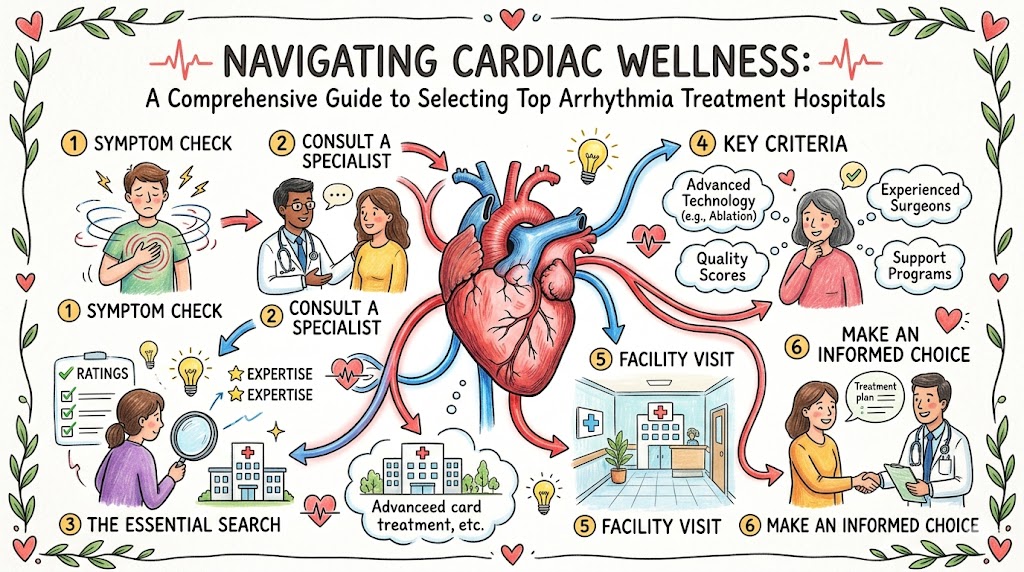
Heart rhythm disorders, or arrhythmias, represent one of the most complex challenges in modern cardiology. Your heart is an intricate electrical system, and when the signals that govern your heartbeat go awry, the consequences can range from minor palpitations to life-threatening complications. Navigating this landscape requires more than just medical intervention; it demands a partner in your health journey. For those seeking clarity and world-class expertise, BESTCARDIACHOSPITALS stands as a dedicated resource to help you identify the facility that aligns with your specific needs. Choosing the right hospital is not just about proximity; it is about ensuring you have access to an electrophysiology laboratory, specialized cardiologists, and a comprehensive support system that monitors your heart health at every step.
Arrhythmia treatment is a highly specialized field. Unlike general cardiac care, which often focuses on blood flow and structural integrity, arrhythmia care dives deep into the heart’s electrical pathways. Because each patient’s experience with an irregular heartbeat is unique, top-tier hospitals prioritize personalized treatment plans that combine advanced technology with a compassionate, patient-centered approach. Whether you are dealing with common conditions like atrial fibrillation or complex rhythm disorders, the facility you choose will significantly influence your long-term outcomes, recovery speed, and overall quality of life. This guide is designed to empower you with the essential information needed to make an informed decision for your heart.
What is Arrhythmia?
An arrhythmia occurs when the electrical signals that coordinate your heartbeats do not work properly. In a healthy heart, these signals follow a precise pathway, resulting in a steady rhythm of 60 to 100 beats per minute while at rest. When this system fails, the heart may beat too fast (tachycardia), too slow (bradycardia), or with an entirely irregular pattern.
These rhythm disturbances are essentially “glitches” in the heart’s internal circuitry. For many, these anomalies are benign; however, for others, they can significantly compromise the heart’s ability to pump blood effectively to the rest of the body. Understanding the specific nature of your rhythm disorder is the first step in the diagnostic journey, and specialized cardiologists, known as electrophysiologists, are the experts uniquely trained to map and correct these signals.
Causes of Arrhythmia
The triggers for heart rhythm disorders are diverse, often stemming from underlying structural issues or external lifestyle factors. The most common causes include damage to the heart muscle from previous heart attacks or coronary artery disease, which creates “scar tissue” that disrupts electrical flow.
High blood pressure is another significant culprit; it can cause the heart walls to thicken and stiffen, altering how signals travel. Congenital heart defects, present from birth, can also predispose an individual to rhythm issues. Beyond these, lifestyle factors such as excessive caffeine, nicotine, alcohol consumption, and chronic stress can trigger premature heartbeats. Even certain medications or electrolyte imbalances—such as low potassium or magnesium—can interfere with the heart’s electrical stability.
Symptoms of Arrhythmia
Symptoms can be elusive and sometimes frightening. You might feel a sensation of fluttering, pounding, or racing in your chest, which many patients describe as a “flip-flop” feeling. Others might experience a slow, sluggish heartbeat that leaves them feeling weak.
More concerning symptoms include chest pain, unexplained shortness of breath, dizziness, lightheadedness, or fainting (syncope). In some cases, an arrhythmia may present no symptoms at all and is only discovered during a routine physical examination. Regardless of the severity, any persistent change in your heartbeat should be documented and discussed with a medical professional to rule out more serious underlying conditions.
Diagnosis Methods
Modern cardiology utilizes a suite of sophisticated tools to diagnose arrhythmias. The process usually begins with an Electrocardiogram (ECG), which records the heart’s electrical activity. If the arrhythmia is intermittent, doctors may use a Holter monitor—a wearable device that records your heart rhythm over 24 to 48 hours.
For more complex cases, an Electrophysiology Study (EPS) is the gold standard. During this procedure, thin catheters are guided into the heart to record internal electrical signals and map the exact location of the “misfiring” tissue. This diagnostic precision is crucial, as it allows cardiologists to tailor treatments specifically to the patient’s electrical profile, minimizing risk and maximizing efficacy.
Treatment Options
The approach to treating an arrhythmia is highly customized. It may range from simple lifestyle modifications and medication to advanced surgical interventions.
Medications are often the first line of defense, designed to control the heart rate or rhythm. If medications are insufficient, procedures like cardioversion (using a controlled shock to reset the rhythm) or ablation therapy (using heat or cold to destroy the specific area of tissue causing the interference) are utilized. For severe cases, implantable devices like pacemakers or implantable cardioverter-defibrillators (ICDs) act as internal monitors that automatically correct the rhythm when dangerous signals are detected.
TABLE 1 — ARRHYTHMIA TREATMENT COMPARISON TABLE
| Treatment | Purpose | Procedure Type | Recovery Time | Effectiveness |
| Medicines | Control rhythm | Non-invasive | Fast | Moderate |
| Cardioversion | Restore rhythm | Mild procedure | 1–2 days | High |
| Ablation Therapy | Fix abnormal signals | Minimally invasive | Few days | Very High |
| Pacemaker/ICD | Electrical control | Surgical implant | Weeks | Very High |
Why Specialized Heart Hospitals Matter
Choosing a specialized heart hospital is about ensuring that you are surrounded by expertise and infrastructure designed exclusively for cardiac care. Unlike general hospitals, dedicated heart centers have multidisciplinary teams—including electrophysiologists, cardiac surgeons, and specialized nurses—who handle these specific rhythm disorders every single day.
These centers are also home to advanced technologies, such as 3D mapping systems for ablation procedures, which are rarely available in general facilities. Furthermore, the presence of a dedicated Cardiac Intensive Care Unit (ICU) ensures that if a complication arises, you are in an environment specifically equipped to manage cardiac emergencies with the highest level of speed and safety.
TABLE 2 — BEST HEART HOSPITAL FEATURES
| Hospital Feature | Importance | Benefit |
| Electrophysiology Lab | Very High | Accurate arrhythmia diagnosis |
| Advanced ICU Care | High | Emergency survival support |
| Experienced Cardiologists | Very High | Better treatment outcomes |
| 24/7 Emergency Cardiac Care | Critical | Life-saving response |
| Modern Cath Lab | High | Minimally invasive procedures |
Lifestyle Management for Arrhythmia
While hospital treatment is vital, your day-to-day choices are equally important in preventing arrhythmias. A heart-healthy lifestyle includes managing stress through mindfulness or therapy, as high adrenaline levels can trigger rhythm disturbances.
Diet plays a crucial role; reducing caffeine and alcohol intake can significantly decrease the frequency of palpitations in sensitive individuals. Staying hydrated and maintaining healthy electrolyte levels are also key. Furthermore, if you are diagnosed with an arrhythmia, your doctor may suggest an exercise plan that keeps your heart strong without overloading it. Consistency is the secret to long-term heart rhythm stability.
Risks if Untreated
Ignoring an irregular heartbeat can lead to severe long-term complications. The most significant risk is the formation of blood clots in the heart, which can travel to the brain and cause a stroke.
Over time, an untreated arrhythmia—particularly persistent atrial fibrillation—can cause the heart muscle to weaken, eventually leading to heart failure. The heart’s inability to pump efficiently forces it to work harder, which can cause permanent structural damage. Early intervention is not just about feeling better; it is about protecting your brain and your heart’s long-term functional capacity.
Prevention Tips
Prevention starts with rigorous screening. If you have a family history of heart disease, you should undergo regular cardiac checkups even if you feel fine. Maintaining healthy blood pressure and cholesterol levels significantly reduces the “wear and tear” on the heart’s electrical pathways.
Avoid smoking, as tobacco is a major stimulant that directly stresses the heart. If you are diagnosed with conditions like sleep apnea or thyroid disease, treat them promptly, as these systemic issues are frequent triggers for arrhythmias. Taking charge of your overall health is the most effective way to protect your heart’s rhythm.
Key Takeaways
- Arrhythmia is an electrical issue; consult a specialist, specifically an electrophysiologist, for the most accurate diagnosis.
- Don’t ignore subtle symptoms like palpitations or unexplained dizziness, as these can be warning signs of underlying rhythm disorders.
- Prioritize hospitals that feature a dedicated Electrophysiology Lab and 24/7 emergency cardiac services.
- Treatment is not “one size fits all”—ask your doctor about the specific benefits and risks of ablation versus device therapy.
- Lifestyle management, including stress reduction and moderate exercise, is an essential partner to medical treatment.
FAQ SECTION
1. Is an irregular heartbeat always dangerous?
Not always. Many people experience “skipped beats” that are harmless. However, any persistent irregularity should be evaluated to rule out serious conditions.
2. What is an electrophysiologist?
An electrophysiologist is a cardiologist who specializes in the electrical system of the heart and the treatment of rhythm disorders.
3. Does an ablation procedure hurt?
Most ablation procedures are performed under sedation. You may feel some mild discomfort or pressure, but the procedure is generally well-tolerated.
4. How long do pacemakers last?
Most modern pacemakers have batteries that last between 8 to 15 years, depending on how often the device is used.
5. Can caffeine cause an arrhythmia?
Yes, caffeine is a stimulant that can trigger palpitations and arrhythmias in sensitive individuals.
6. What is the biggest risk of untreated AFib?
The most severe risk of atrial fibrillation is stroke, caused by blood clots forming in the heart and traveling to the brain.
7. Are heart rhythm disorders genetic?
Some are. If your parents or siblings have rhythm disorders, you should inform your doctor, as your risk may be higher.
8. When should I go to the emergency room?
Seek emergency care if your arrhythmia is accompanied by fainting, severe chest pain, or extreme difficulty breathing.
9. Can I exercise with an arrhythmia?
Usually, yes, but you must get your doctor’s approval and follow their guidance on intensity and heart rate monitoring.
10. What diagnostic test is most accurate for arrhythmias?
An Electrophysiology Study (EPS) is considered the most accurate method for pinpointing the exact source of abnormal electrical signals.
CONCLUSION
Your heart is the engine of your life, and its rhythm is the steady beat that sustains your every activity. When that rhythm is interrupted, it can feel like your entire world is out of sync. However, the field of cardiology has advanced tremendously, providing us with precise tools to map, monitor, and mend even the most complex electrical pathways. By seeking out specialized care at hospitals equipped with dedicated electrophysiology labs and experienced heart teams, you are ensuring that you receive not just treatment, but the right treatment for your unique condition.
Taking the first step—acknowledging your symptoms and scheduling that initial consultation—is the bravest and most important move you can make. Do not settle for generalized care when your heart health is on the line. Use the knowledge you have gained here to ask the right questions, evaluate the technology in your local hospitals, and prioritize the expertise of your medical team. Your journey toward a steady heart and a vibrant, active life begins with the decision to put your cardiac care in the hands of the best professionals. Stay informed, stay proactive, and always prioritize the health of your heart.