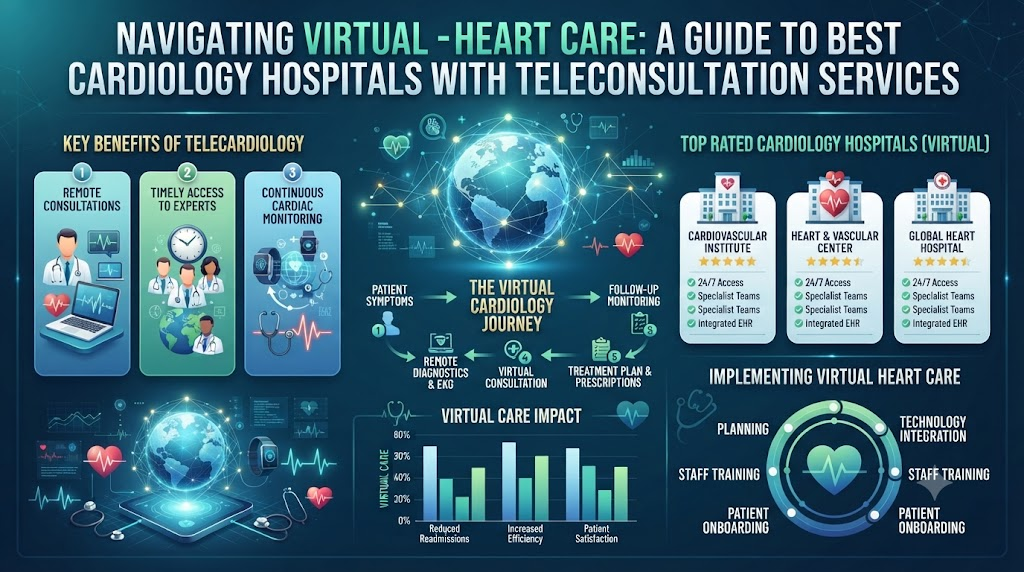
Introduction
Accessing timely and specialized medical care is crucial for managing heart health effectively. For many patients and families, however, scheduling regular cardiology appointments involves significant travel, logistical challenges, and physical strain. Living in remote geographic areas or managing chronic conditions with limited mobility can make visiting a specialized heart center difficult. These barriers often delay routine follow-ups and make ongoing communication with healthcare providers a persistent challenge.Choosing the right facility is essential to ensure that virtual care is backed by strong clinical expertise and comprehensive diagnostic support. To help families navigate these options, platforms like BESTCARDIACHOSPITALS offer educational resources designed to guide healthcare seekers toward informed decisions.
Understanding Cardiology Teleconsultation
What Is a Cardiology Teleconsultation?
A cardiology teleconsultation is a virtual medical appointment that allows a patient to communicate remotely with a cardiologist or heart specialist using secure digital communication tools. This interaction typically takes place via video conference or phone call, enabling patients to discuss their cardiac health, review diagnostic reports, and receive expert medical recommendations from the comfort of home.
How Virtual Cardiology Appointments Work
The teleconsultation process usually begins with scheduling an appointment through a hospital’s digital portal or booking system. Before the session, patients submit relevant medical records, test results, and symptom logs. During the scheduled appointment, the cardiologist reviews this information, discusses current symptoms, evaluates lifestyle habits, and provides tailored medical advice or follow-up plans.
Types of Technology Used in Cardiac Telemedicine
Cardiac telemedicine relies on a variety of secure digital technologies. High-definition video consultation platforms ensure face-to-face communication, while encrypted messaging apps facilitate safe correspondence. Additionally, remote patient monitoring devices—such as digital blood pressure cuffs, wearable heart rate monitors, and smartphone-compatible ECG tools—allow patients to transmit vital health data directly to their care teams.
Teleconsultation vs In-Person Cardiology Visits
While virtual consultations provide incredible convenience for routine discussions and medication reviews, they differ fundamentally from physical examinations. An online appointment relies entirely on verbal communication, reviewed medical records, and digital data feeds. In contrast, an in-person visit allows the cardiologist to perform a direct physical exam, including listening to heart sounds with a stethoscope, checking for physical swelling, and conducting on-site diagnostic tests.
Why Teleconsultation Is Important for Heart Patients
Better Access to Cardiology Specialists
Teleconsultation breaks down geographic barriers, allowing patients living outside major metropolitan areas to connect directly with experienced cardiologists at leading medical centers without relocating or traveling extensively.
Convenience for Patients and Families
Virtual visits reduce the need for taking time off work, arranging complex travel logistics, or enduring tiring commutes, making it easier for family members to participate in consultations regardless of their location.
Reduced Travel Requirements
For elderly patients or individuals with limited mobility, eliminating long-distance travel to medical facilities reduces physical exhaustion and lowers overall healthcare stress.
Support for Patients in Remote Areas
Patients residing in rural or underserved regions gain reliable access to expert cardiac opinions and ongoing specialized management that might otherwise be locally unavailable.
Easier Follow-Up Care
Routine check-ins after diagnostic tests or medication adjustments become seamless, encouraging patients to maintain consistent contact with their medical care teams.
Improved Continuity of Cardiac Care
By removing logistical hurdles, teleconsultation helps patients stick to their scheduled follow-up timelines, ensuring long-term stability and proactive management of chronic heart conditions.
Heart Conditions That May Benefit from Teleconsultation Follow-Up
High Blood Pressure Management
Patients monitoring hypertension can use virtual visits to review home blood pressure logs, discuss lifestyle changes, and adjust medication dosages under specialist supervision.
Coronary Artery Disease Follow-Up
Stable individuals diagnosed with coronary artery disease can review ongoing symptoms, discuss exercise plans, and evaluate secondary prevention strategies remotely.
Heart Failure Monitoring
Stable heart failure patients benefit from virtual check-ins that track daily weight changes, fluid intake, and symptom stability, helping catch early warning signs of fluid retention.
Arrhythmia Follow-Up
Individuals managing stable heart rhythm disorders can discuss rhythm logs and wearable monitor data with their electrophysiologist during convenient virtual sessions.
Recovery After Cardiac Procedures
Post-operative check-ins allow surgeons and cardiologists to evaluate wound healing, review recovery milestones, and answer questions following hospital discharge.
Cholesterol and Cardiovascular Risk Management
Virtual appointments are well-suited for discussing lipid panel results, reviewing dietary modifications, and managing preventative cardiovascular risk factors.
Suitability for teleconsultation always depends on the patient’s individual clinical condition, active symptoms, treatment needs, and the professional assessment of a qualified healthcare provider.
Teleconsultation and In-Person Cardiology Care: When Each May Be Appropriate
| Situation | Teleconsultation May Be Appropriate For | In-Person Evaluation May Be Needed For | Important Clinical Consideration |
| Routine Follow-Up | Reviewing stable chronic conditions and medication refills. | Comprehensive annual physical examinations and structural evaluations. | Consistent monitoring helps maintain long-term cardiovascular stability. |
| Blood Pressure Management | Reviewing home blood pressure logs and lifestyle adjustments. | Investigating sudden, severe spikes or resistant hypertension. | Accurate home device calibration is essential for virtual reviews. |
| Test Result Discussions | Explaining stable blood test results or imaging reports. | Performing diagnostic tests like echocardiograms or stress tests. | Visual imaging data must be securely uploaded prior to virtual reviews. |
| Symptom Evaluation | Discussing mild, stable, or long-standing chronic symptoms. | Evaluating new, acute, worsening, or unexplained symptoms. | Persistent or severe symptoms require prompt in-person or emergency assessment. |
| Urgent Warning Signs | Not suitable for acute or life-threatening symptoms. | Immediate evaluation for chest pain, fainting, or severe breathing difficulty. | Virtual care should never delay emergency medical intervention. |
The distinction between virtual and in-person care is vital for patient safety. While teleconsultation excels at managing routine follow-ups and stable chronic conditions, it cannot replace physical examinations or emergency interventions. Whenever new, severe, or worsening symptoms arise, an in-person medical evaluation is necessary. Furthermore, acute warning signs such as severe chest pain, sudden shortness of breath, or fainting require immediate emergency medical care rather than a scheduled virtual appointment.
Key Features to Look for in Cardiology Hospitals with Teleconsultation Services
Qualified Cardiology Specialists
Top institutions ensure their virtual care platforms are staffed by board-certified cardiologists, electrophysiologists, and heart failure specialists with extensive clinical experience.
Secure Teleconsultation Technology
Hospitals must utilize encrypted, HIPAA-compliant platforms that protect patient privacy and ensure high-definition, stable video and audio connections.
Easy Appointment Scheduling
Streamlined digital booking portals and responsive support teams make it simple for patients and families to schedule and manage virtual appointments.
Access to Medical Records
Integrated electronic health record systems allow specialists to review a patient’s complete history, previous hospitalizations, and diagnostic reports in real-time.
Remote Patient Monitoring Capabilities
Advanced hospitals provide tools or app integrations that allow patients to securely upload home blood pressure, weight, and heart rhythm data prior to consultations.
Diagnostic and Testing Facilities
A robust virtual service is backed by a physical hospital equipped with state-of-the-art imaging, catheterization laboratories, and non-diagnostic testing suites for when in-person workups are needed.
Emergency and In-Person Care Support
Seamless pathways must exist to transition a teleconsultation patient to an in-person clinic visit or emergency department if their clinical status changes.
Clear Follow-Up Procedures
Structured follow-up protocols ensure that patients receive written summaries, updated prescription details, and clear instructions on their next steps after every virtual visit.
Patient Privacy and Data Security
Strict adherence to medical data privacy regulations ensures that all transmitted health information remains confidential and secure.
How to Choose the Right Cardiology Hospital for Teleconsultation
Check Specialist Expertise
Research the credentials, board certifications, and sub-specialty focus areas of the cardiology team offering virtual consultations.
Understand the Range of Cardiac Services
Look for hospitals that provide comprehensive cardiac care, ranging from preventative cardiology to advanced electrophysiology and heart failure management.
Review Teleconsultation Availability
Confirm the scheduling flexibility of virtual appointments and check whether the hospital supports international or out-of-state patients where applicable.
Consider Hospital Diagnostic Facilities
Ensure the institution possesses advanced on-site diagnostic and imaging capabilities so that any recommended physical tests can be performed efficiently.
Look at Follow-Up Care Options
Evaluate whether the hospital offers structured long-term care plans, cardiac rehabilitation programs, and continuous remote monitoring support.
Check Emergency Support Availability
Verify that the hospital operates 24/7 emergency cardiac care services so that urgent medical needs can be addressed without delay.
Consider Accessibility for Future In-Person Visits
Choose a facility that is geographically or logistically accessible for occasional in-person examinations, diagnostic imaging, or procedural interventions.
Understand Appointment and Communication Processes
Review how the hospital handles prescription renewals, technical support during video calls, and post-consultation inquiries.
How to Prepare for a Cardiology Teleconsultation
- Prepare Your Medical History: Write down a clear summary of your cardiac history, previous surgeries, and diagnosed conditions.
- Keep a List of Current Medications: Have all prescription bottles or an updated list of exact medication names and dosages ready.
- Record Recent Symptoms: Note when symptoms occur, how long they last, and what triggers them.
- Keep Test Reports Available: Gather recent lab results, ECG reports, and imaging discs to share or upload.
- Check Blood Pressure or Other Home Measurements: Measure your vital signs using calibrated home devices right before the call.
- Prepare Questions for the Cardiologist: Write down your top questions so you do not forget anything important during the conversation.
- Ensure a Reliable Internet Connection: Test your Wi-Fi or cellular connection to avoid disruptions during the video call.
- Choose a Quiet and Private Location: Sit in a well-lit, private room free from background noise and distractions.
What Happens During a Virtual Cardiology Consultation?
Discussing Symptoms
The cardiologist begins by listening attentively as the patient describes their current symptoms, daily comfort levels, and any recent changes in physical well-being.
Reviewing Medical History
The specialist evaluates past medical records, previous surgical interventions, and documented risk factors to understand the broader clinical context.
Reviewing Test Results
If recent blood panels, holter monitor data, or echocardiograms are available in the system, the cardiologist reviews and explains the findings in clear terms.
Medication Discussion
The doctor evaluates current medication effectiveness, discusses potential side effects, and adjusts dosages or schedules if clinically necessary.
Lifestyle Recommendations
The consultation often includes personalized advice regarding heart-healthy diets, physical activity limits, stress reduction, and smoking cessation.
Planning Further Tests
If additional diagnostic evaluations are needed, the cardiologist coordinates orders for blood work, ambulatory monitoring, or in-person imaging studies.
Scheduling Follow-Up Care
The appointment concludes with a clear plan for the next follow-up visit, whether virtual or in-person.
Deciding When an In-Person Visit Is Needed
If the specialist determines that a physical examination or diagnostic procedure is necessary, they arrange appropriate in-person appointments.
Benefits of Cardiology Teleconsultation Services
- Faster Access to Medical Guidance: Connects patients with specialists quickly without lengthy travel delays.
- Greater Convenience: Fits easily into busy schedules and reduces logistical burdens for working families.
- Better Follow-Up Management: Encourages consistent check-ins after medication changes or minor procedures.
- Reduced Travel Burden: Spares elderly or fragile patients from exhausting journeys.
- Improved Family Participation: Allows relatives living in different locations to join the video call and stay informed.
- Support for Chronic Heart Conditions: Facilitates ongoing monitoring for stable, long-term cardiac disorders.
- More Flexible Healthcare Access: Expands the reach of top-tier medical expertise to underserved populations.
Limitations of Virtual Heart Care
Limited Physical Examination
Cardiologists cannot listen to heart murmurs with a stethoscope, check for peripheral edema by pressing on ankles, or perform physical palpations during a video call.
Technology and Connectivity Problems
Poor internet connections, software glitches, or unfamiliarity with digital devices can occasionally interrupt or degrade the consultation experience.
Need for In-Person Diagnostic Tests
Virtual consultations cannot perform blood draws, echocardiograms, stress tests, or cardiac catheterizations; patients must visit a physical facility for these workups.
Difficulty Assessing Some Urgent Symptoms Remotely
Acute symptoms require immediate hands-on clinical assessment and cannot be safely or accurately evaluated through a computer screen.
Privacy Concerns
Patients must ensure they use private, secure networks and rooms to maintain the confidentiality of their health discussions.
Not Suitable for Every Patient or Condition
Complex, unstable, or newly acute cardiac conditions always require direct, in-person medical evaluation and continuous monitoring.
When Should a Patient Seek In-Person or Emergency Cardiac Care?
Severe or Persistent Chest Pain
Sudden pressure, squeezing, or severe pain in the center of the chest is an emergency warning sign that requires immediate medical attention.
Sudden Shortness of Breath
Experiencing acute, unexplained difficulty breathing, especially when resting or waking up suddenly at night, demands urgent evaluation.
Fainting or Loss of Consciousness
Sudden fainting spells, near-fainting episodes, or unexplained dizziness can indicate dangerous heart rhythm disturbances.
Sudden Severe Weakness
Sudden numbness, weakness in the limbs, or difficulty speaking can reflect acute cardiovascular or neurological emergencies.
Rapidly Worsening Heart Symptoms
Rapidly progressive swelling, sudden weight gain, or severe fatigue that interferes with daily life requires prompt in-person medical care.
Symptoms After a Recent Cardiac Procedure
Any unexpected fever, severe wound pain, or acute discomfort following a recent heart surgery or intervention must be reported directly to the surgical team or emergency department.
Common Mistakes Patients Make During Teleconsultations
Not Preparing Medical Information
Failing to gather medical records, medication lists, and recent test results beforehand can limit the productivity of the virtual appointment.
Forgetting to Mention Important Symptoms
Overlooking subtle symptoms or deciding not to mention them during the call can result in incomplete clinical evaluations.
Having an Unstable Internet Connection
Neglecting to test the internet connection or device battery prior to the appointment often leads to frustrating disconnections.
Missing Follow-Up Instructions
Failing to take detailed notes or review post-consultation summaries can cause confusion regarding medication changes or future testing.
Delaying Necessary In-Person Care
Mistakenly believing that a virtual consultation replaces an in-person physical exam or diagnostic test can delay vital medical evaluations.
Assuming Teleconsultation Replaces Emergency Services
Attempting to use a virtual appointment during an acute cardiac emergency instead of calling emergency services puts patient safety at severe risk.
The Role of Remote Monitoring in Modern Cardiac Care
Home Blood Pressure Monitoring
Regular home blood pressure tracking provides cardiologists with valuable trend data between clinic visits, helping optimize hypertension management.
Wearable Heart Monitoring Devices
Modern smartwatches and wearable ECG monitors allow patients to capture intermittent rhythm irregularities and share data reports with their physicians.
Remote Rhythm Monitoring
Ambulatory telemetry devices worn over several days or weeks transmit continuous heart rhythm data to clinical monitoring centers, aiding arrhythmia diagnosis.
Digital Health Data
Aggregated digital health logs give medical teams a comprehensive view of daily activity levels, sleep patterns, and vital sign trends.
Communication Between Patients and Care Teams
Secure messaging portals enable ongoing dialogue between patients and cardiac nurses, ensuring questions are answered promptly between formal appointments.
Limits of Remote Monitoring
Remote devices are diagnostic and tracking tools, not treatment devices. They do not replace clinical interpretation by a qualified cardiologist, and device anomalies must always be reviewed by medical professionals.
The Future of Cardiology Telemedicine
AI-Assisted Cardiac Monitoring
Artificial intelligence tools are being integrated into digital platforms to help analyze large volumes of wearable data, highlighting potential rhythm anomalies for cardiologist review.
Advanced Remote Patient Monitoring
Next-generation sensors will provide even more seamless tracking of hemodynamic parameters, offering earlier detection of potential heart failure decompensation.
Integration of Digital Health Records
Interoperable health record systems will allow seamless data sharing between different medical facilities, improving coordination across multidisciplinary heart teams.
Personalized Virtual Care
Advances in predictive analytics will enable cardiologists to tailor virtual monitoring protocols to each patient’s unique risk profile and recovery trajectory.
Hybrid Models of In-Person and Online Care
The future of cardiology points toward sophisticated hybrid care models that blend regular in-person physical examinations with convenient virtual follow-up sessions.
Future Opportunities and Challenges
While technological innovations promise expanded access and deeper insights, maintaining data privacy, ensuring equitable access, and preserving the human connection in medicine remain ongoing priorities.
Frequently Asked Questions (FAQ)
1.What is a cardiology teleconsultation?
A cardiology teleconsultation is a secure virtual medical appointment that connects a patient with a heart specialist via video or phone. It allows individuals to discuss cardiac symptoms, review diagnostic test results, adjust medication regimens, and receive expert medical guidance without traveling to a physical hospital clinic.
2.Can I consult a cardiologist online?
Yes, patients can consult board-certified cardiologists online through secure, encrypted telemedicine platforms. These virtual visits are well-suited for routine follow-ups, medication reviews, chronic disease management discussions, and preliminary evaluations before deciding on in-person diagnostic workups.
3.Which heart conditions can be followed through teleconsultation?
Stable chronic heart conditions are ideal candidates for teleconsultation follow-up. These include well-controlled hypertension, stable coronary artery disease, chronic heart failure with stable symptoms, managed arrhythmias, and routine post-procedure recovery checks where physical exams are not immediately required.
4.Can a cardiologist prescribe treatment during an online consultation?
Yes, depending on the clinical assessment, state or regional telehealth regulations, and established doctor-patient relationships, a cardiologist can often issue electronic prescriptions or adjust existing medication dosages during a virtual visit. However, certain controlled substances or complex interventions require in-person evaluations.
5.Do I need to visit the hospital after a teleconsultation?
Whether an in-person hospital visit is needed depends on your specific clinical needs. While virtual consultations handle many follow-ups effectively, diagnostic imaging, blood tests, physical examinations, and interventional procedures always require visiting a physical medical facility.
6.Can teleconsultation help patients living far from cardiac hospitals?
Teleconsultation is exceptionally beneficial for patients living in rural or remote areas. It eliminates long-distance travel burdens, connects individuals directly with specialized heart centers, and ensures timely access to expert cardiac opinions that might not be locally available.
7.Is teleconsultation suitable for chest pain?
No, teleconsultation is entirely unsuitable for acute chest pain or emergency symptoms. Severe chest pain, sudden breathing difficulty, fainting, or signs of a heart attack require immediate in-person emergency medical care and calling local emergency services without delay.
8.What information should I prepare before an online cardiology appointment?
Before your virtual appointment, gather your complete medical history, a written list of all current medications, recent lab and imaging reports, and home vital sign logs such as blood pressure readings. Preparing a written list of questions helps ensure you cover all important topics.
9.Can family members join a virtual consultation?
Yes, virtual cardiology platforms make it easy for family members or caregivers—even those living in different cities—to join the video call. This ensures everyone stays informed about the treatment plan and can support the patient effectively.
10.How do I choose a cardiology hospital with teleconsultation services?
When choosing a hospital, evaluate the credentials of its cardiology specialists, the security of its telemedicine platform, the availability of comprehensive on-site diagnostic tools, emergency care support, and the ease of transitioning between virtual check-ins and in-person visits.
Final Conclusion
Accessing specialized heart care has become increasingly flexible thanks to modern telemedicine innovations. Best cardiology hospitals with teleconsultation services play an essential role in bridging geographic gaps, reducing travel burdens, and ensuring that patients can maintain consistent contact with their medical care teams. Virtual appointments offer a practical way to manage chronic conditions, review diagnostic results, and discuss medication adjustments from the comfort of home.However, it is vital to recognize the inherent limitations of virtual care. Teleconsultation cannot replace hands-on physical examinations, on-site diagnostic imaging, or emergency medical interventions. Patients and families must always distinguish between routine follow-up care and acute warning signs.