Introduction
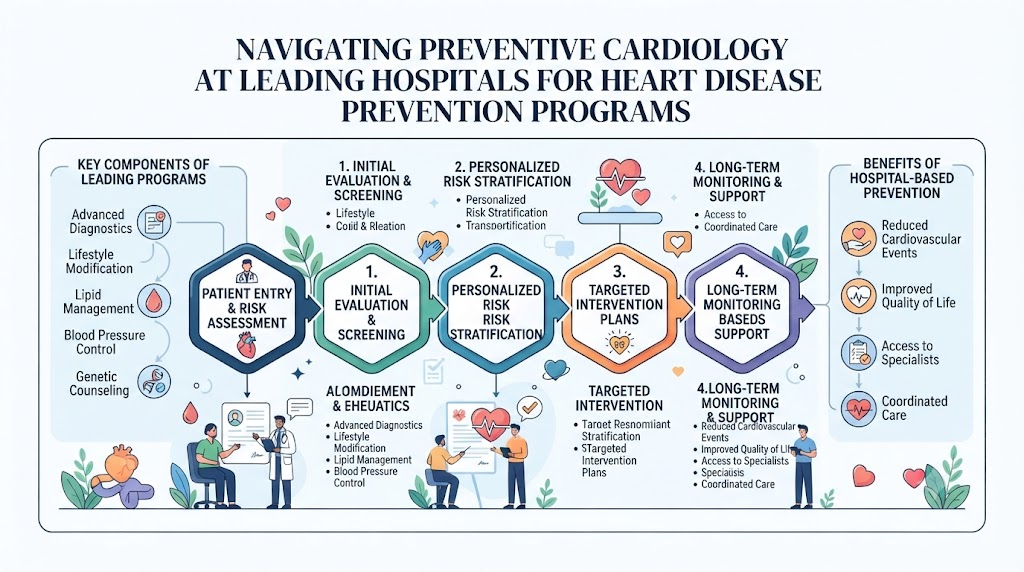
Heart disease remains a global health challenge, yet many cardiovascular conditions are preventable or manageable when addressed early. The rise of preventive cardiology marks a significant shift in healthcare, moving from reactive treatment to proactive wellness. By focusing on identifying risk factors before they escalate into serious health events, we can significantly improve long-term outcomes and quality of life.At BESTCARDIACHOSPITALS, we are committed to providing educational resources that empower you to take charge of your cardiovascular health. In this guide, we will explore the services offered by these specialized programs and provide you with the knowledge needed to make informed decisions about your heart care.
Understanding Heart Disease Prevention
Preventive cardiology is a branch of heart care dedicated to preventing the onset or progression of cardiovascular disease. It operates on two main levels:
- Primary Prevention: Focuses on preventing heart disease in individuals who have not yet had a cardiac event. This involves screening for risks like high blood pressure and cholesterol.
- Secondary Prevention: Focuses on individuals who have already been diagnosed with a heart condition, aiming to prevent future complications and manage existing health challenges.
The core philosophy of prevention is that addressing root causes—such as inflammation, elevated lipids, or lifestyle factors—is often more effective and sustainable than relying solely on invasive treatments for advanced disease.
Why Heart Disease Prevention Programs Matter
A structured prevention program offers more than just a routine checkup. It provides a roadmap for heart health based on your specific medical history and genetics.
- Early Detection: Identifying silent issues like hypertension or elevated glucose levels before they damage the arteries.
- Personalized Planning: No two hearts are the same; prevention programs tailor interventions to the individual.
- Lifestyle Coaching: Access to experts who help translate medical advice into sustainable habits.
- Long-term Monitoring: Regular tracking of your heart’s performance to ensure interventions are effective.
Who Can Benefit from Prevention Programs?
Preventive heart care is beneficial for a wide range of individuals, particularly those with existing risk factors. These include:
- Individuals with high blood pressure or high cholesterol.
- People living with diabetes or pre-diabetes.
- Those with a strong family history of early heart disease.
- Individuals who struggle with weight management or sedentary lifestyles.
- Smokers or those who have recently quit.
- Older adults looking to maintain cardiovascular vigor.
Common Services Offered by Preventive Cardiology Hospitals
Leading hospitals for heart disease prevention programs typically offer a comprehensive suite of diagnostic and educational services:
- Risk Assessment: In-depth evaluations of your heart health history.
- Diagnostic Testing: ECGs, echocardiography, and stress testing.
- Metabolic Screening: Regular monitoring of blood pressure, cholesterol, and glucose.
- Wellness Counseling: Nutrition and exercise planning tailored to your heart.
- Smoking Cessation: Behavioral support to stop tobacco use.
Heart Disease Prevention Services Comparison
| Service | Purpose | Patient Benefit |
| Blood Pressure Screening | Detect hypertension | Early intervention |
| Cholesterol Testing | Assess risk | Preventive planning |
| ECG | Evaluate heart rhythm | Detect abnormalities |
| Echocardiography | Assess structure | Support diagnosis |
| Stress Test | Evaluate performance | Identify concerns |
| Lifestyle Counseling | Improve habits | Long-term risk reduction |
Lifestyle Changes That Support Heart Health
While medical care is vital, your daily habits are the foundation of cardiovascular health:
- Nutrition: Focus on heart-healthy choices like vegetables, whole grains, and lean proteins.
- Physical Activity: Aim for regular, moderate exercise as approved by your doctor.
- Weight Management: Maintaining a healthy weight reduces the strain on your heart.
- Stress Management: Techniques like mindfulness, meditation, or consistent rest can help.
- Sleep: Quality sleep is crucial for cardiovascular recovery and function.
Importance of Multidisciplinary Heart Care
Prevention is most successful when approached by a team. A leading program typically involves:
- Cardiologists: Oversee the medical aspects of your heart health.
- Dietitians: Provide guidance on heart-healthy nutrition.
- Exercise Physiologists: Design safe and effective workout routines.
- Diabetes Educators: Assist in managing blood sugar levels.
- Cardiac Rehab Specialists: Provide structured support for recovery and long-term risk reduction.
How to Choose the Right Hospital
When researching facilities, consider the following elements to ensure the program meets your needs:
- Specialist Experience: Look for board-certified preventive cardiologists.
- Advanced Diagnostics: Does the hospital have modern imaging and testing facilities?
- Comprehensive Screening: Are there established protocols for various risk levels?
- Rehabilitation Support: Is there a dedicated team to support lifestyle changes?
- Follow-up Processes: How does the hospital handle long-term health tracking?
Hospital Selection Checklist
- Expert Specialists: Team approach to preventive cardiology.
- Advanced Screening: On-site access to modern diagnostic tools.
- Personalized Plans: A commitment to tailoring care to your risk.
- Rehabilitation Services: On-site support for recovery and long-term habits.
- Continuity of Care: Clear protocols for long-term follow-up.
Common Myths vs Facts
| Myth | Fact |
| Heart disease only affects older adults. | Risk factors can accumulate early in life. |
| Exercise alone prevents all heart disease. | Prevention requires a balance of diet, medical care, and activity. |
| No symptoms means a healthy heart. | Many conditions, like high blood pressure, are “silent.” |
| Screening is only for high-risk people. | Everyone should discuss their heart health with a doctor. |
Common Mistakes People Make
- Ignoring early symptoms: Even minor changes should be discussed with a provider.
- Delaying medical intervention: Waiting for a “serious” problem before treating high blood pressure or cholesterol.
- Inconsistency: Skipping follow-up appointments or prescribed medications.
- Assessing risk alone: Assuming family history cannot be mitigated.
Solution: Always maintain an open dialogue with your cardiologist and adhere to your agreed-upon screening schedule.
Real-Life Educational Scenarios
- Early Detection: A patient undergoes a routine preventive screening and discovers elevated blood pressure. Early lifestyle adjustments and monitoring prevent the development of hypertension-related damage.
- Lifestyle Integration: After a heart health assessment, a patient works with an exercise physiologist to build a fitness plan that effectively lowers their cholesterol levels.
- Rehabilitation Success: Following a cardiac event, a patient engages in a structured program that combines medication management with dietary changes, successfully preventing a recurrence.
FAQs
- What is preventive cardiology?
It is a field focused on identifying and managing heart disease risk before it leads to serious health issues. - Who should join a prevention program?
Anyone with risk factors like high blood pressure, diabetes, or a family history of heart disease. - What tests are included?
Standard tests often include blood pressure, cholesterol panels, glucose checks, and ECGs. - How often should I be evaluated?
This depends on your individual risk, as determined by your cardiologist. - Can lifestyle changes help?
Yes, diet, exercise, and stress reduction are foundational to prevention. - What is the role of cholesterol?
Excess cholesterol can lead to plaque buildup in arteries. - Is high blood pressure always symptomatic?
No, it is often silent, which is why regular screening is vital. - What is cardiac rehabilitation?
A medically supervised program to help improve heart health after a diagnosis or event. - How important is exercise?
It strengthens the heart and improves metabolic health. - Can diabetes increase heart risk?
Yes, it is a significant risk factor that requires close monitoring. - What happens during a visit?
You can expect a history review, physical exam, and potentially diagnostic testing. - Are these programs for younger adults?
Yes, prevention is best started early. - How is a plan personalized?
By incorporating your specific blood work, family history, and personal goals. - What habits are best?
A Mediterranean-style diet, regular movement, and avoiding tobacco. - When should I see a cardiologist?
If you have concerns about your heart health or family history, consult a doctor to discuss screening.
Final Thoughts
Preventive cardiology is an empowering approach that prioritizes your future well-being. By engaging with leading programs that offer comprehensive assessment and ongoing support, you can take meaningful steps to reduce your cardiovascular risk and live a healthier life. Remember, heart health is a lifelong commitment, and professional guidance is your best resource.For reliable information on heart care, hospital services, and patient education, visit BESTCARDIACHOSPITALS. We encourage you to consult with a qualified cardiologist to create a personalized heart disease prevention plan tailored to your health needs.