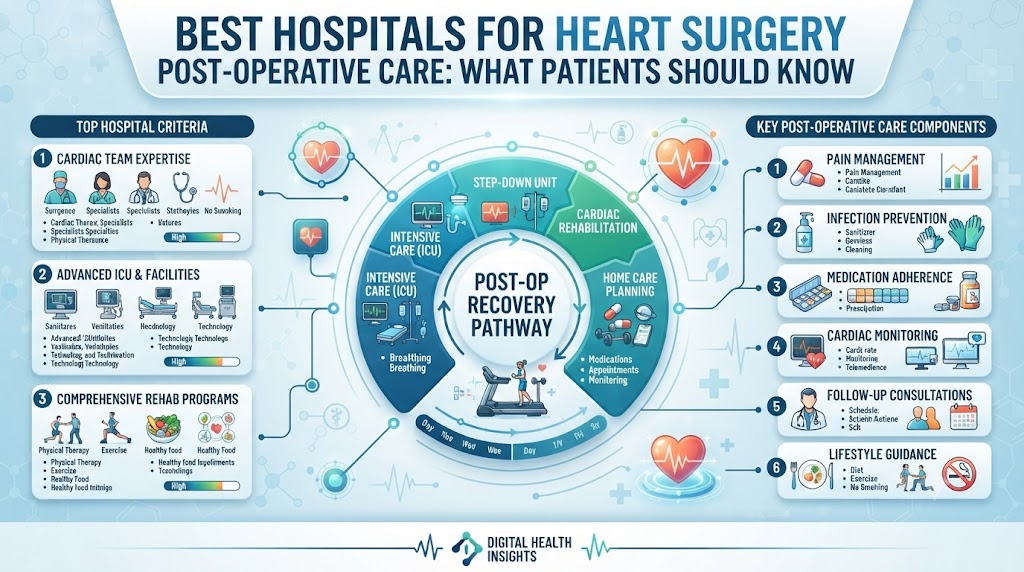
Introduction
Undergoing heart surgery is a major milestone in a patient’s healthcare journey, but the medical journey does not end when the operation is complete. The period following surgery—known as post-operative care—plays a vital role in ensuring a safe recovery, helping the heart heal, and supporting long-term cardiovascular health.To explore reliable health information, institutional guides, and resources related to cardiac care, platforms like BESTCARDIACHOSPITALS offer educational support for patients and caregivers navigating heart surgery. Consider a hypothetical family, Robert and his daughter, who spent weeks researching cardiac centers. By looking beyond the operating room to understand post-operative monitoring and rehabilitation support, they were able to ask the right questions and select a hospital that matched Robert’s recovery needs.
What Is Heart Surgery Post-Operative Care?
Post-operative care after cardiac surgery refers to the comprehensive medical, nursing, and rehabilitative support provided to a patient immediately following an operation and throughout their recovery journey. It encompasses both the critical care phase in the hospital and the continued recovery period after discharge.
Post-operative care typically involves several key elements:
- Continuous monitoring of vital signs and cardiac rhythm
- Managing surgical pain and discomfort safely
- Monitoring heart and organ function
- Caring for surgical incisions and wounds
- Supporting early mobility and physical recovery
- Providing tailored nutritional guidance
- Managing respiratory function and lung health
- Coordinating medication regimens supervised by the clinical team
- Scheduling structured follow-up appointments
- Integrating cardiac rehabilitation into the recovery plan
The exact post-operative care plan varies significantly depending on the type of heart surgery performed, the patient’s overall health status, and the clinical recommendations of the treating medical team.
Why Post-Operative Care Matters After Heart Surgery
Structured post-operative care is essential for a safe and successful recovery. After major cardiac procedures, the body requires specialized attention to heal properly and adapt to repaired or replaced heart structures.
Structured recovery care is important because it helps:
- Monitor healing progress closely in a controlled clinical environment
- Detect potential complications early so medical teams can intervene promptly
- Support safe physical movement and progressive rehabilitation
- Help patients regain strength and cardiovascular endurance safely
- Provide patients and families with essential education before hospital discharge
- Coordinate seamless follow-up care with cardiologists and primary care providers
- Support a gradual, confident return to daily activities and normal routines
Good post-operative care provides a safety net for patients during one of the most critical phases of their health journey, ensuring that every aspect of recovery is guided by experienced professionals.
Types of Heart Surgery That May Require Post-Operative Care
Different cardiac procedures involve distinct surgical approaches and therefore require tailored post-operative care plans. Understanding the type of surgery helps patients anticipate what recovery may involve.
Coronary Artery Bypass Grafting (CABG)
CABG involves creating new pathways for blood to flow around blocked coronary arteries. Post-operative care for CABG patients focuses heavily on monitoring heart rhythm, managing sternal incision healing, encouraging early breathing exercises, and gradually building physical strength through structured cardiac rehabilitation.
Heart Valve Surgery
Whether repairing or replacing a heart valve, post-operative monitoring centers on tracking heart function, managing fluid balance, and, in cases of mechanical valve replacements, carefully coordinating medication protocols under strict specialist guidance.
Aortic Surgery
Procedures involving the aorta require specialized monitoring of blood pressure and vascular status. Post-operative care emphasizes precise hemodynamic stability and careful follow-up imaging to monitor healing.
Congenital Heart Surgery
Congenital heart procedures performed in children or adults can vary widely in complexity. Recovery needs differ significantly based on the patient’s age, specific anatomical condition, and the nature of the surgical correction.
Other Cardiac Procedures
Other specialized heart operations, such as arrhythmia surgeries or pacemaker implantations, have unique recovery protocols tailored to the specific intervention and individual patient circumstances.
What Happens Immediately After Heart Surgery?
Immediately following heart surgery, patients are transferred to a specialized recovery unit, such as a cardiac intensive care unit, where they receive close, continuous observation by specialized nurses and physicians.
During this initial phase, the medical team closely monitors:
- Vital signs, including blood pressure, body temperature, and oxygen levels
- Heart rhythm and electrical activity via continuous telemetry
- Respiratory function, including breathing support when necessary
- Pain management to keep patients comfortable and facilitate deep breathing
- Fluid intake, output, and nutritional support
- Early mobility, encouraging sitting up or short walks when clinically appropriate
- Surgical incision sites for signs of proper healing
As the patient stabilizes and clinical milestones are met, care transitions from intensive monitoring to a specialized step-down unit or a standard hospital room in preparation for discharge.
Key Components of Heart Surgery Post-Operative Care
| Post-Operative Care Area | What It May Involve | Why It Matters |
| Vital Sign Monitoring | Tracking heart rate, blood pressure, and oxygen saturation | Ensures early detection of any physiological instability |
| Pain Management | Administering prescribed analgesics and comfort measures | Facilitates deep breathing, movement, and healing |
| Wound and Incision Care | Inspecting surgical sites and maintaining sterile dressings | Prevents infection and promotes proper skin healing |
| Respiratory Support | Incentive spirometry and breathing exercises | Helps expand lungs and prevents post-surgical complications |
| Early Mobility | Supervised sitting, standing, and short walks | Reduces blood clot risks and rebuilds physical stamina |
| Nutritional Guidance | Providing balanced, heart-healthy hospital meals | Supports tissue repair and overall metabolic recovery |
| Rehabilitation Planning | Designing a progressive exercise and education plan | Guides long-term cardiovascular strengthening |
| Follow-up Coordination | Scheduling post-discharge clinic visits | Ensures continuity of specialist care after leaving the hospital |
Post-operative care is inherently multidisciplinary, combining the expertise of surgeons, cardiologists, nurses, and therapists. Because every patient’s physiological response to surgery is unique, medical teams customize these care components to align with individual recovery milestones and specific underlying health conditions.
The Role of the Cardiac Care Team
Recovering from heart surgery requires a collaborative effort among a diverse group of healthcare professionals. Each member brings specialized knowledge to support the patient’s healing process.
Key members of the cardiac care team often include:
- Cardiac Surgeons: Oversee the surgical recovery and evaluate structural healing.
- Cardiologists: Manage ongoing heart health, rhythm stability, and medical therapy.
- Cardiac Nurses: Provide 24-hour bedside monitoring, administer care, and educate patients.
- Physiotherapists: Guide safe physical movement, breathing exercises, and early mobility.
- Cardiac Rehabilitation Specialists: Design progressive recovery exercise programs.
- Dietitians: Provide heart-healthy nutritional guidance tailored to recovery needs.
- Pharmacists: Review medication schedules and ensure safe drug management.
- Respiratory Therapists: Assist with lung expansion and oxygen therapy during early recovery.
Coordinated teamwork ensures that all physiological and emotional aspects of healing are addressed seamlessly throughout the hospital stay.
What Should Patients Look for in a Hospital’s Post-Operative Cardiac Care Program?
When evaluating a hospital for heart surgery, looking closely at the post-operative program helps ensure comprehensive support. Patients and families can consider several key institutional features:
- An experienced multidisciplinary cardiac care team available around the clock
- Advanced post-operative monitoring facilities and dedicated cardiac intensive care units
- Seamless integration of inpatient and outpatient cardiac rehabilitation services
- Structured follow-up coordination and easy communication channels with specialists
- Comprehensive patient and caregiver education programs before discharge
- Responsive emergency support systems and clear escalation protocols
- Transparent discharge planning that outlines medications, activity limits, and warning signs
- A supportive environment that encourages family involvement in the recovery process
Cardiac Rehabilitation After Heart Surgery
Cardiac rehabilitation is a medically supervised program designed to help patients recover after heart surgery, improve cardiovascular health, and adopt heart-healthy lifestyle habits.
A typical program generally includes:
- Supervised Physical Activity: Tailored exercise sessions designed to rebuild strength and endurance safely.
- Patient Education: Information regarding heart health, nutrition, medication adherence, and risk factor management.
- Cardiovascular Risk Reduction: Guidance on managing blood pressure, cholesterol, and lifestyle factors.
- Emotional Support: Counseling or peer support to help cope with the psychological impact of surgery.
- Progress Monitoring: Regular tracking of cardiovascular response during physical exertion.
Cardiac rehabilitation is tailored to each patient’s clinical status, and participation is always guided by the recommendations of the treating medical team.
Recovery After Leaving the Hospital
Transitioning from the hospital to home is an important milestone, but recovery continues well beyond discharge. Patients must balance rest with gradual physical activity while adhering to their care team’s instructions.
Key aspects of at-home recovery include:
- Attending all scheduled follow-up appointments with cardiologists and surgeons
- Gradually increasing physical activity as recommended by the healthcare team
- Following proper wound-care instructions and keeping incisions clean and dry
- Adopting a heart-healthy diet low in sodium and saturated fats
- Prioritizing adequate sleep and rest to allow the body to heal
- Monitoring for any unusual symptoms or changes in how you feel
- Participating actively in outpatient cardiac rehabilitation programs
- Taking medications exactly as prescribed by the medical team without altering doses
Warning Signs After Heart Surgery
Patients and caregivers should be familiar with physical warning signs that require prompt medical evaluation. Recognizing these symptoms early ensures timely intervention.
Warning signs that should be reported promptly include:
- New or worsening chest discomfort, pressure, or tightness
- Significant, unexplained shortness of breath or breathing difficulty
- Fainting, severe dizziness, or lightheadedness
- Unusual or worsening swelling in the legs, ankles, or abdomen
- Fever, chills, or concerning changes around surgical incision sites, such as redness, drainage, or warmth
- Significant heart rhythm symptoms, such as a racing or irregular heartbeat
- Sudden weakness, numbness, or difficulty speaking
- Any other symptoms specifically highlighted in your discharge instructions
If severe, urgent, or life-threatening symptoms occur, immediate emergency medical attention should be sought without delay.
How Families and Caregivers Can Support Recovery
Family members and caregivers play a crucial, supportive role during a patient’s recovery from heart surgery. Their involvement can significantly ease the transition from hospital to home.
Practical ways caregivers can help include:
- Assisting with transportation to follow-up medical appointments
- Helping organize medication schedules and care instructions
- Encouraging gentle, prescribed physical activity without overexertion
- Preparing nutritious, heart-healthy meals aligned with dietary guidelines
- Watching attentively for concerning symptoms or physical changes
- Helping with everyday household tasks to reduce physical strain on the patient
- Providing compassionate emotional support and patience during recovery bottlenecks
- Participating in patient education sessions and asking questions of the clinical team
Caregivers should always support the patient in following professional medical instructions rather than attempting to modify treatment plans independently.
How to Compare Hospitals for Heart Surgery Post-Operative Care
Evaluating hospitals objectively involves looking at institutional capabilities rather than relying on advertising. Patients can compare centers by examining specific operational areas.
Important points of comparison include:
- The availability and depth of dedicated cardiac intensive care and monitoring units
- The integration of structured inpatient and outpatient cardiac rehabilitation programs
- The presence of a collaborative, multidisciplinary team of cardiac specialists
- Clear follow-up systems and patient support helplines after discharge
- The thoroughness of patient education and discharge planning materials
- Emergency response readiness and critical care transport coordination
- Facilities that accommodate family presence and caregiver support
The most appropriate hospital is always determined by the patient’s individual medical needs, the specific procedure required, geographic considerations, and the recommendations of their referring physician.
Hospital Post-Operative Care Evaluation Checklist
| Hospital Care Factor | Questions Patients Can Ask | Why It Is Relevant |
| Cardiac Intensive Care | What specialized monitoring units are available after surgery? | Ensures continuous, expert observation during critical recovery hours |
| Multidisciplinary Team | Which medical specialists participate in post-operative care? | Guarantees comprehensive expertise across nursing, therapy, and cardiology |
| Cardiac Rehabilitation | Are inpatient and outpatient rehabilitation programs integrated? | Supports safe physical recovery and long-term cardiovascular health |
| Discharge Planning | How are patients and families prepared for returning home? | Reduces anxiety and prevents misunderstandings regarding home care |
| Follow-up Support | What systems are in place for post-discharge questions and visits? | Ensures continuity of care and early identification of issues |
| Emergency Readiness | How quickly can critical care interventions be accessed if needed? | Provides a vital safety net during unexpected complications |
| Patient Education | What resources are provided to help understand recovery milestones? | Empowers patients to take an active, informed role in healing |
| Caregiver Involvement | How are family members included in the recovery and education process? | Strengthens the support system available to the patient at home |
Using this checklist during consultations with hospital coordinators helps patients and families gather transparent, practical information. Comparing institutions based on these concrete factors allows for a more informed choice regarding where to undergo cardiac surgery and post-operative care.
Common Mistakes Patients Should Avoid During Recovery
- Ignoring concerning symptoms: Brushing off unusual chest pain or breathing difficulty instead of contacting the medical team.
- Skipping follow-up appointments: Missing scheduled check-ins with cardiologists or surgeons.
- Returning to strenuous activity too quickly: Lifting heavy objects or engaging in heavy exercise before receiving medical clearance.
- Neglecting wound-care instructions: Failing to keep incision sites clean and dry or missing dressing changes.
- Altering medication regimens: Stopping or changing prescribed medications without direct consultation with the clinical team.
- Skipping rehabilitation recommendations: Disregarding physical therapy or cardiac rehabilitation advice.
- Assuming uniform recovery timelines: Comparing your progress unrealistically to other patients, forgetting every recovery is unique.
Emotional and Mental Well-Being During Recovery
Recovering from major heart surgery involves emotional adjustments alongside physical healing. Patients frequently experience feelings of vulnerability, anxiety about the future, temporary frustration with physical limitations, or mood fluctuations following major medical interventions.
These emotional responses are a normal part of processing a significant life event. Communicating persistent feelings of anxiety, sadness, or stress with healthcare professionals, family members, or support groups is an important part of holistic recovery. Professional counseling can also offer helpful coping strategies.
How Technology Can Support Post-Operative Cardiac Follow-Up
Modern healthcare technologies increasingly support post-operative monitoring and communication between patients and clinical teams, when used under professional guidance.
Beneficial technological tools include:
- Telehealth follow-up appointments for convenient check-ins with cardiologists
- Remote patient monitoring devices that track vital signs securely from home
- Digital appointment reminders and secure messaging portals for clinical questions
- Electronic health records that streamline communication across multidisciplinary care teams
Technology complements, but never replaces, necessary in-person medical evaluations and physical examinations by qualified healthcare professionals.
FAQs
1.What is post-operative care after heart surgery?
Post-operative care refers to the comprehensive medical, nursing, and rehabilitative support provided to a patient immediately following a cardiac operation and throughout their ongoing recovery at home. It includes vital sign monitoring, pain management, wound care, physical therapy, and follow-up medical consultations.
2.How long does recovery after heart surgery usually take?
Recovery duration varies widely depending on the type of surgery performed, the patient’s age, baseline health status, and adherence to rehabilitation. While initial healing often takes several weeks to a few months, full cardiovascular recovery can be a gradual, multi-month process tailored to individual milestones.
3.Why is monitoring important after heart surgery?
Continuous monitoring of heart rhythm, blood pressure, oxygen levels, and incision healing allows the medical team to detect any physiological changes promptly. Early detection ensures that medical interventions can be applied swiftly if any complications arise during recovery.
4.What services should a good cardiac hospital provide after surgery?
A strong cardiac hospital should provide dedicated intensive care units, experienced multidisciplinary medical teams, structured inpatient and outpatient cardiac rehabilitation, comprehensive patient education, clear discharge planning, and responsive follow-up communication channels.
5.What is cardiac rehabilitation?
Cardiac rehabilitation is a medically supervised program designed to help heart patients recover safely through progressive physical exercise, education on heart-healthy living, nutritional guidance, risk factor management, and emotional support.
6.When can patients start physical activity after heart surgery?
Initial physical activity begins gently in the hospital with supervised sitting and short walks. Upon discharge, patients receive specific, customized activity guidelines from their medical team, gradually increasing exertion levels as healing progresses and rehabilitation begins.
7.What symptoms should be reported after heart surgery?
Patients should promptly report symptoms such as new or worsening chest pain, severe shortness of breath, dizziness, fever, concerning changes or drainage at incision sites, rapid weight gain, or unusual swelling in the legs, as these require immediate medical evaluation.
8.How important are follow-up appointments after cardiac surgery?
Follow-up appointments are crucial because they allow surgeons and cardiologists to evaluate healing progress, assess heart function, adjust medication regimens if necessary, and provide ongoing guidance for safe physical recovery.
9.What role does a cardiac rehabilitation team play?
The cardiac rehabilitation team—comprising nurses, exercise physiologists, dietitians, and therapists—guides patients through safe physical conditioning, educates them on risk reduction, and supports their emotional well-being throughout recovery.
10.How can family members support heart surgery recovery?
Family members can support recovery by assisting with transportation to appointments, organizing medication schedules, encouraging gentle activity, preparing heart-healthy meals, watching for warning signs, and providing consistent emotional encouragement.
Final Thoughts
Post-operative care is a cornerstone of successful heart surgery recovery. While the surgical procedure itself is vital, the weeks of monitoring, rehabilitation, and follow-up that follow determine how well the heart heals and how safely the patient returns to daily life. Understanding what to expect during recovery empowers patients and families to take an active role in their health journey.Choosing a hospital with robust post-operative care capabilities—including specialized intensive care units, expert multidisciplinary teams, cardiac rehabilitation programs, and structured discharge planning—provides essential peace of mind.