Introduction
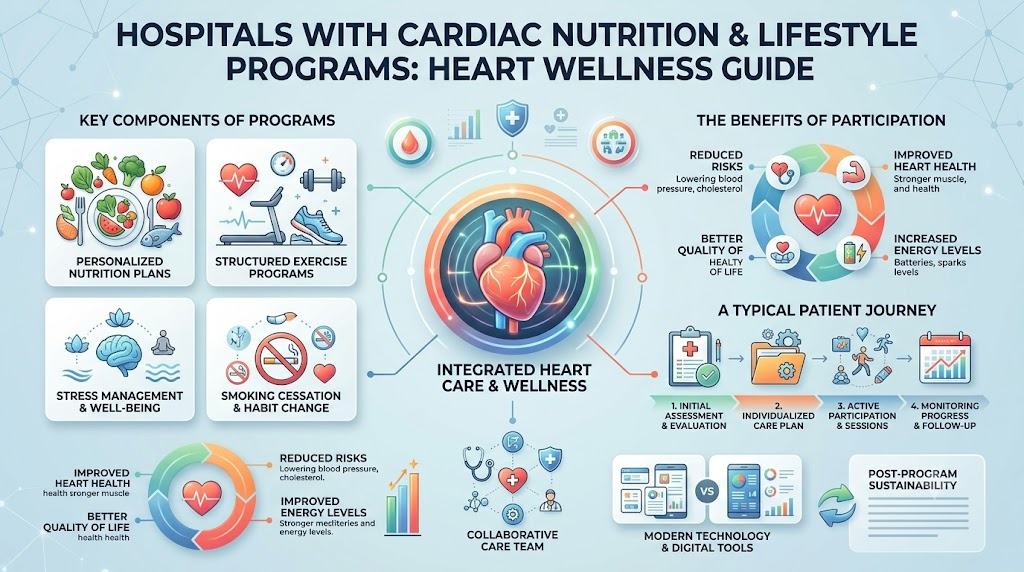
Maintaining optimal heart health requires a comprehensive approach that extends far beyond medical procedures and prescriptions. While modern cardiology offers advanced interventions for cardiovascular conditions, long-term well-being is deeply influenced by daily nutrition, physical activity, weight management, stress levels, and sleep habits. Hospitals with cardiac nutrition & lifestyle programs bring together cardiologists, clinical dietitians, exercise specialists, and rehabilitation teams to provide coordinated care. Evaluating the quality, scope, and expertise of these programs helps patients and families make informed decisions about their healthcare journey. Through trusted resources like BESTCARDIACHOSPITALS, individuals can explore structured information to help guide their search for comprehensive cardiac care.
What Are Cardiac Nutrition & Lifestyle Programs?
Simple Definition
Cardiac nutrition and lifestyle programs are specialized clinical services offered by medical centers to help patients adopt and maintain heart-healthy habits. These structured programs combine medical oversight with education on nutrition, physical activity, weight management, and stress reduction.
Main Purpose
The primary purpose of these programs is to support cardiovascular risk reduction, assist in recovery following cardiac events, improve physical endurance, and help patients manage chronic conditions like high blood pressure, diabetes, and high cholesterol.
Who May Benefit?
These programs can be beneficial for a wide range of individuals, including those with:
- High blood pressure
- Elevated cholesterol levels
- Diabetes or prediabetes
- Overweight or obesity
- Previous heart disease or cardiovascular events
- A history of cardiac procedures, such as bypass surgery or stent placement
- A strong family history of heart disease
- Other cardiovascular risk factors
Suitability depends on individual medical assessment and professional recommendations from a qualified physician.
Why Nutrition Matters for Heart Health
Nutrition plays a foundational role in cardiovascular health. What you eat directly influences key risk factors such as blood pressure, cholesterol levels, blood sugar regulation, and body weight. Rather than prescribing one universal “perfect heart diet,” modern cardiology emphasizes balanced dietary patterns rich in whole foods, fiber, healthy fats, and essential nutrients, tailored to each individual’s clinical needs.
Key Components of Cardiac Nutrition Programs
Heart-Healthy Eating Education
Programs educate patients on how to select nutrient-dense foods that support cardiovascular function without relying on restrictive fad diets.
Sodium Awareness
Guidance on managing sodium intake helps patients support healthy blood pressure levels.
Healthy Fat Choices
Education focuses on prioritizing unsaturated fats while minimizing trans fats and saturated fats.
Fiber-Rich Foods
Incorporate soluble and insoluble fiber sources to support cholesterol management and digestive health.
Fruits, Vegetables, and Whole Grains
Emphasizing plant-based foods that supply vital antioxidants, vitamins, and minerals.
Appropriate Protein Sources
Encouraging lean proteins, fish, legumes, and plant-based alternatives.
Portion Awareness
Helping patients understand serving sizes to maintain balanced energy intake.
Reading Food Labels
Teaching practical skills for navigating nutritional information on packaged foods.
Nutritional recommendations should always be personalized when underlying medical conditions require special dietary considerations.
Role of Cardiac Dietitians and Nutrition Professionals
Qualified cardiac dietitians and nutrition experts play a vital role within hospital wellness teams. They review eating habits, identify nutritional needs, provide practical education, and help patients interpret food labels.
These professionals collaborate closely with cardiologists to ensure that dietary guidance aligns safely with prescribed medical treatments and individual health conditions, supporting sustainable lifestyle changes over the long term.
Cardiac Lifestyle Programs
Beyond nutrition, comprehensive lifestyle programs address multiple dimensions of daily health, including:
- Physical Activity: Safe, structured movement tailored to individual cardiovascular fitness.
- Weight Management: Sustainable approaches to achieving and maintaining a healthy body weight.
- Smoking Cessation: Professional support and resources for tobacco and nicotine avoidance.
- Stress Management: Techniques to mitigate the impact of chronic stress on the cardiovascular system.
- Sleep: Education on sleep hygiene and the importance of restorative rest.
- Alcohol Considerations: Guidance on limiting alcohol consumption for heart health.
- Medication Adherence Education: Helping patients understand the importance of following prescribed treatment regimens.
Lifestyle programs complement—and do not replace—medically necessary treatments prescribed by cardiologists.
Cardiac Rehabilitation and Lifestyle Support
Cardiac rehabilitation is a medically supervised program specifically designed to help patients recover from heart attacks, heart surgery, or percutaneous coronary interventions. Referral is typically recommended for individuals recovering from qualifying cardiac events.
The program includes monitored exercise training, cardiovascular education, risk-factor counseling, and emotional support, all supervised by trained clinical staff.
MANDATORY CARDIAC PROGRAM TABLE
| Program Component | Main Focus | Potential Patient Benefit |
| Cardiac Nutrition Counseling | Evaluating dietary patterns and teaching heart-healthy eating habits. | Supports healthy cholesterol, blood pressure, and metabolic balance. |
| Physical Activity Guidance | Designing safe, monitored exercise routines appropriate for heart health. | Improves cardiovascular endurance, strength, and overall mobility. |
| Weight Management | Promoting sustainable approaches to achieving a healthy body weight. | Reduces physical strain on the cardiovascular system and metabolic load. |
| Blood Pressure Management | Educating patients on lifestyle factors affecting vascular pressure. | Helps maintain target blood pressure levels and reduces stroke risk. |
| Cholesterol Education | Explaining dietary fats and lipid profiles. | Supports healthy blood lipid levels and arterial health. |
| Diabetes Risk Management | Coordinating nutrition and activity for blood sugar control. | Minimizes the cardiovascular risks associated with diabetes. |
| Smoking Cessation | Providing resources and encouragement to quit tobacco use. | Significantly lowers long-term cardiovascular disease recurrence. |
| Stress Management | Teaching relaxation techniques and coping strategies. | Mitigates the physiological impact of chronic stress on heart rate and pressure. |
| Sleep Education | Promoting healthy sleep hygiene and addressing sleep disturbances. | Supports recovery, metabolic health, and autonomic nervous system balance. |
| Cardiac Rehabilitation | Providing supervised exercise and structured recovery support. | Enhances post-event recovery, stamina, and quality of life. |
The true value of a cardiac lifestyle program depends heavily on comprehensive clinical assessment, the involvement of qualified multidisciplinary professionals, active patient participation, and consistent continuity of care. Programs tailored to individual health profiles yield the safest and most effective outcomes.
Hospitals Offering Comprehensive Cardiac Wellness
Patients seeking robust cardiac care should look for hospitals that offer an integrated suite of wellness services. Comprehensive facilities typically feature board-certified cardiologists, registered dietitians, cardiac rehabilitation specialists, exercise physiologists, dedicated nursing staff, behavioral health support, advanced diagnostic imaging, emergency cardiac care units, and structured follow-up scheduling.
How Cardiac Nutrition Supports Different Heart Conditions
- Coronary Artery Disease: Focuses on reducing plaque buildup through heart-healthy fats, fiber, and sodium management.
- Heart Failure: Emphasizes fluid and sodium balance to reduce strain on the heart muscle.
- High Blood Pressure: Prioritizes sodium moderation, potassium-rich foods, and weight management.
- High Cholesterol: Focuses on limiting saturated fats while increasing soluble fiber intake.
- Cardiovascular Risk Factors: Aims at early risk reduction through balanced nutrition and metabolic control.
- Recovery After Cardiac Procedures: Supports tissue healing, strength rebuilding, and sustained secondary prevention.
Dietary requirements can differ significantly depending on the specific cardiac diagnosis and co-existing medical conditions.
Lifestyle Factors That Influence Heart Health
Physical Activity
Appropriate physical activity strengthens the heart muscle and improves circulation. Individuals with known heart conditions should always obtain professional exercise prescriptions and guidance before starting new routines.
Weight Management
Carrying excess body weight increases the heart’s workload. Sustainable weight management focuses on balanced nutrition and regular movement rather than rapid, unverified weight-loss solutions.
Stress Management
Chronic stress can elevate blood pressure and heart rate. Adopting relaxation practices helps protect cardiovascular well-being.
Sleep
Quality sleep is essential for cardiovascular recovery and regulating blood pressure. Prioritizing rest supports overall heart function.
Smoking Cessation
Avoiding tobacco products is one of the most impactful steps a person can take to protect their blood vessels and reduce heart disease risk.
How to Choose a Hospital With a Cardiac Nutrition & Lifestyle Program
When selecting a medical facility, patients should evaluate the complete program rather than focusing on a single feature. Key considerations include cardiology expertise, availability of registered dietitians, cardiac rehabilitation infrastructure, diagnostic capabilities, supervised exercise facilities, patient education resources, lifestyle counseling, emergency readiness, multidisciplinary coordination, follow-up care, and overall accessibility.
MANDATORY HOSPITAL COMPARISON TABLE
| Hospital or Program Factor | What to Check | Why It Matters |
| Cardiology Expertise | Board-certified cardiologists and specialist physicians | Ensures medical oversight is grounded in advanced cardiovascular science. |
| Nutrition Services | Presence of registered clinical dietitians specializing in cardiac care | Provides evidence-based, personalized dietary guidance for heart conditions. |
| Cardiac Rehabilitation | Medically supervised recovery and monitored exercise units | Vital for safe recovery following heart attacks or surgical procedures. |
| Exercise Support | Supervised fitness facilities and trained exercise physiologists | Ensures physical activity is tailored safely to individual cardiac capacity. |
| Diagnostic Facilities | Advanced imaging, stress testing, and laboratory services | Essential for accurate risk stratification and monitoring treatment progress. |
| Lifestyle Counseling | Dedicated lifestyle coaches or behavioral health specialists | Helps patients sustain long-term habit changes regarding stress and diet. |
| Smoking Cessation Support | Structured cessation programs and counseling resources | Maximizes cardiovascular risk reduction for tobacco users. |
| Stress Management | Stress reduction workshops, relaxation training, or psychology support | Protects against the adverse cardiovascular effects of chronic stress. |
| Follow-Up Care | Scheduled post-program checkups and ongoing monitoring protocols | Ensures continuity of care and long-term adherence to healthy habits. |
| Emergency Cardiac Support | 24/7 cardiac intensive care units and emergency response readiness | Provides an essential safety net for acute cardiovascular crises. |
Comparing hospitals using these factors ensures that patients select facilities capable of delivering safe, comprehensive, and high-quality care. A multidisciplinary approach combined with robust emergency and follow-up support creates an environment conducive to long-term cardiovascular health.
Real-Life Patient Scenarios
Scenario 1: High Cardiovascular Risk
Hypothetical Patient Scenario: An adult with elevated blood pressure, borderline cholesterol, and a family history of heart disease visits a cardiology center. Through a hospital-based cardiac wellness program, the patient receives personalized nutrition counseling, blood pressure monitoring guidance, and a tailored exercise plan, successfully reducing overall cardiovascular risk factors over time.
Scenario 2: Patient After a Cardiac Event
Hypothetical Patient Scenario: Following stent placement for coronary artery disease, a patient participates in a hospital’s cardiac rehabilitation program. Monitored exercise sessions, dietary education from a clinical dietitian, and emotional support help the patient regain strength and confidence during recovery.
Scenario 3: Patient With High Cholesterol
Hypothetical Patient Scenario: A patient struggling to manage high cholesterol through diet alone consults a cardiac dietitian. By learning how to select heart-healthy fats, increase soluble fiber, and understand food labels, the patient makes sustainable dietary adjustments that complement ongoing medical therapy.
Scenario 4: Patient Trying to Build Sustainable Habits
Hypothetical Patient Scenario: An individual wishing to adopt a healthier lifestyle attends structured educational workshops at a cardiac wellness center. Regular follow-up appointments and practical guidance on stress management and sleep hygiene help the person build realistic, long-lasting healthy habits.
Common Mistakes Patients Make
- Treating Diet as a Replacement for Medical Treatment: Assuming that eating healthy foods can substitute for necessary cardiac medications or procedures.
- Following Extreme Diets: Adopting severe, restrictive eating plans found online rather than consulting qualified professionals.
- Stopping Prescribed Medication: Discontinuing cardiac medications without direct instructions from their cardiologist.
- Starting Intense Exercise Without Appropriate Guidance: Engaging in heavy physical exertion without prior cardiac clearance or supervision.
- Ignoring Blood Pressure or Cholesterol: Failing to monitor key cardiovascular metrics regularly.
- Expecting Fast Results: Looking for overnight reversals of chronic lifestyle-related conditions.
- Relying on Unverified Online Health Claims: Following unscientific advice from social media instead of evidence-based medical guidance.
- Ignoring Smoking Cessation: Continuing tobacco use while attempting to improve heart health through diet alone.
- Neglecting Sleep and Stress: Overlooking the profound impact of chronic fatigue and stress on heart function.
- Skipping Follow-Up Appointments: Missing scheduled medical checkups and monitoring sessions.
Cardiac Nutrition for Different Patient Groups
Nutritional and lifestyle requirements vary significantly across different populations. Adults with cardiovascular risk factors require targeted risk reduction; older adults need personalized plans supporting muscle mass and bone health alongside heart care; patients with diabetes require careful carbohydrate coordination; individuals with hypertension focus on sodium management; recovering cardiac patients need phased rehabilitation; and those with a family history benefit from proactive preventive education. Individualized professional guidance remains essential for all groups.
Future of Cardiac Nutrition & Lifestyle Care
The landscape of preventive cardiology continues to evolve with technological and clinical innovations. Emerging developments include personalized nutrition based on genetic and metabolic profiling, digital cardiac rehabilitation programs, remote patient monitoring devices, wearable health technologies tracking daily activity and heart rhythms, AI-assisted cardiovascular risk assessment tools, and telehealth nutrition counseling. These innovations serve to enhance, rather than replace, traditional clinical expertise and patient-centered care.
Frequently Asked Questions
1.What are cardiac nutrition and lifestyle programs?
Cardiac nutrition and lifestyle programs are specialized hospital services designed to help patients adopt heart-healthy habits. They combine medical oversight with education on nutrition, physical activity, weight management, and stress reduction to support cardiovascular health.
2.Who can benefit from a cardiac nutrition program?
Individuals with high blood pressure, high cholesterol, diabetes, obesity, a history of heart disease, or those recovering from cardiac procedures can benefit from these programs, provided they receive appropriate medical evaluation and clearance.
3.What does a cardiac dietitian do?
A cardiac dietitian evaluates eating habits, provides personalized nutritional education, helps patients navigate food labels, and coordinates with cardiologists to ensure dietary recommendations support overall medical treatment plans.
4.What foods are generally associated with heart-healthy eating?
Heart-healthy eating generally emphasizes fresh fruits, vegetables, whole grains, lean proteins, nuts, legumes, and healthy unsaturated fats like olive oil, while limiting excess sodium, added sugars, and trans fats.
5.Can nutrition help manage cardiovascular risk factors?
Yes. Proper nutrition plays a key role in supporting healthy blood pressure, managing cholesterol levels, regulating blood sugar, and maintaining a healthy body weight, all of which contribute to cardiovascular risk reduction.
6.What is cardiac rehabilitation?
Cardiac rehabilitation is a medically supervised program for individuals recovering from heart attacks, surgery, or other cardiac events. It includes monitored exercise, education, risk-factor counseling, and emotional support.
7.Can exercise be part of a cardiac lifestyle program?
Yes. Physical activity is a cornerstone of cardiac wellness programs. However, individuals with heart conditions should always engage in exercise under professional guidance and medical clearance.
8.Why is weight management important for heart health?
Carrying excess weight places additional physical workload on the heart muscle and can negatively impact blood pressure, cholesterol, and blood sugar levels. Sustainable weight management helps reduce this cardiovascular strain.
9.Can stress affect cardiovascular health?
Chronic stress can elevate heart rate and blood pressure, triggering physiological responses that strain the cardiovascular system. Practicing effective stress management is an important component of heart health.
10.Why is sleep important for heart health?
Quality sleep allows the cardiovascular system to rest and recover, helping regulate blood pressure and inflammation. Chronic sleep deprivation is associated with increased cardiovascular risks.
11.Do cardiac lifestyle programs replace medication?
No. Cardiac lifestyle programs complement—but do not replace—medications and medical treatments prescribed by qualified cardiologists.
12.How do I choose a hospital with cardiac nutrition services?
When choosing a hospital, evaluate its cardiology expertise, availability of registered dietitians, cardiac rehabilitation facilities, diagnostic capabilities, emergency care readiness, and multidisciplinary coordination.
13.Are cardiac nutrition programs suitable after heart surgery?
Yes. Nutritional guidance is often an integral part of post-surgical recovery and cardiac rehabilitation following heart procedures.
14.Can cardiac lifestyle programs help prevent future cardiovascular problems?
Structured lifestyle programs support secondary and primary prevention by helping patients manage risk factors, improve fitness, and adopt sustainable healthy habits.
15.How can BESTCARDIACHOSPITALS.COM help patients explore cardiac care options?
BESTCARDIACHOSPITALS.COM serves as an informational platform providing educational guides and structured resources to help individuals research hospitals offering cardiac nutrition, wellness, and specialized cardiology care.
Final Thoughts
Prioritizing cardiovascular health through structured nutrition and lifestyle management is one of the most effective steps an individual can take toward long-term well-being. A healthy heart relies on more than just medical interventions; it is supported daily by balanced nutrition, regular physical activity, effective stress management, restorative sleep, and tobacco avoidance. Building sustainable lifestyle habits yields far better outcomes than pursuing extreme or unverified health trends.Equally important is recognizing the value of comprehensive medical care. Partnering with experienced cardiologists, clinical dietitians, and rehabilitation specialists ensures that lifestyle changes are implemented safely and tailored to each person’s unique medical history and clinical needs.