Introduction
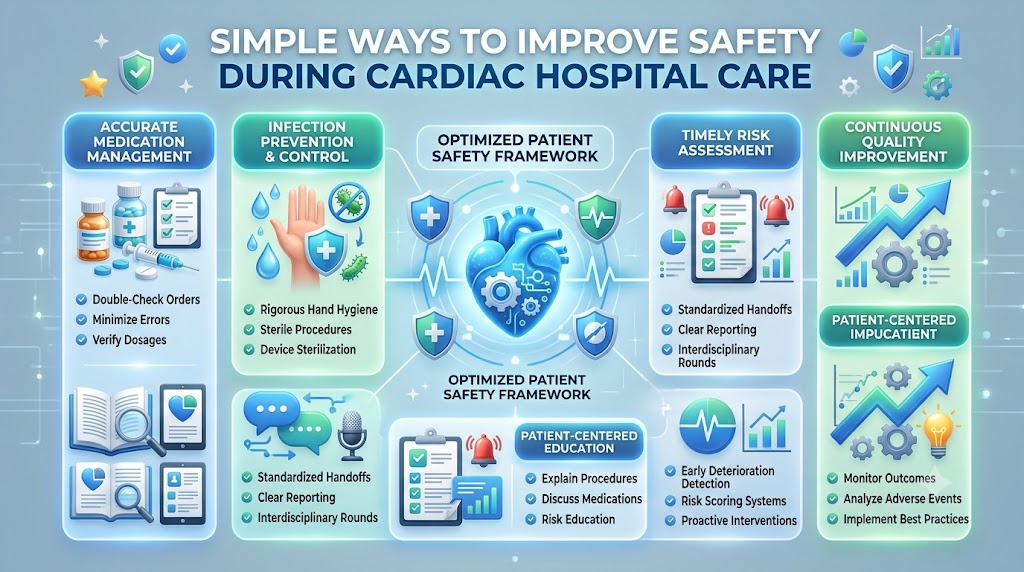
Heart treatment often involves several steps. Patients may need tests, medicines, procedures, and regular monitoring. Each step needs careful attention to keep care safe. Good communication can help prevent avoidable mistakes. Patients and families also play an important role. They can share correct medical details, ask questions, and report new symptoms. Hospital staff guide treatment and follow safety procedures. Working together can make the hospital experience safer and easier to understand. These cardiac hospital patient safety tips explain what patients can do before admission, during treatment, and after discharge. They also cover medicine safety, infection prevention, and warning signs. BESTCARDIACHOSPITALS is an information resource for people exploring cardiac care and hospital-related topics. Learning about safety practices can help patients take an active role in their heart care.
Why Patient Safety Matters in Cardiac Hospitals
Patient safety means reducing the risk of avoidable harm during healthcare. It includes correct patient identification, safe medicine use, infection control, and clear communication. These steps matter in every hospital. They are especially important for people receiving heart treatment.
Cardiac patients may take several medicines. They may also need tests, surgery, or close monitoring. Some patients have other conditions, such as diabetes or kidney disease. These health needs can make treatment more complex.
Hospital teams use safety checks throughout care. Doctors, nurses, pharmacists, and other staff each have important duties. Patients and caregivers can support these efforts by sharing accurate information.
Speaking up is also important. Patients should ask when instructions are unclear. They should report new symptoms or possible medicine reactions. A simple question can help the care team check an important detail.
Choose a Cardiac Hospital with Strong Safety Practices
Choosing a hospital is an important decision. Patients should look beyond its name or location. They should understand whether its services match their medical needs.
Consider these points when comparing cardiac hospitals:
- Qualified specialists: Check whether the hospital has trained cardiologists and cardiac surgeons.
- Nursing support: Ask about nursing teams with experience in cardiac care.
- Emergency services: Check whether emergency cardiac assessment is available.
- Infection prevention: Learn about hand hygiene and infection control practices.
- Intensive care: Ask whether cardiac intensive care and monitoring are available when needed.
- Clear communication: Find out how doctors explain treatment choices and risks.
- Quality standards: Review available accreditation and hospital quality information.
- Referral arrangements: Ask how the hospital manages transfers when specialist care is needed.
Accreditation can provide useful information about a hospital’s quality systems. However, it does not guarantee a particular treatment result. Patients should also consider their diagnosis, required services, and the advice of their treating doctor.
Ask who will coordinate care during admission. Also ask how the hospital handles urgent concerns after a procedure. Clear answers can help families understand what to expect.
Share Your Complete Medical History
Your medical history helps the care team plan safer treatment. Missing details may affect medicine choices, tests, or procedures. Share information clearly and honestly.
Tell the hospital team about:
- Previous heart conditions and procedures.
- Known allergies and past medicine reactions.
- Current prescription medicines.
- Vitamins and other supplements.
- Diabetes, high blood pressure, or kidney disease.
- Previous hospital admissions.
- Relevant family medical history.
Bring recent reports, prescriptions, and test results when possible. Include details about medicines you take only sometimes. Tell staff if you have stopped a medicine recently.
Do not guess when sharing medicine details. If you are unsure, show the medicine packet or a current list. This helps the team check the information.
Check Patient Identification Before Tests and Treatment
Correct identification helps make sure that each patient receives the right care. Hospital staff may ask for your name and another identifying detail. They may repeat these checks before tests, medicines, or procedures.
Patients should check that their details are correct. Speak up if your name, date of birth, or hospital information is wrong. Before a blood test, confirm that staff have checked your identity.
When possible, check the labels on samples or documents. Ask staff to explain anything that looks incorrect. Never feel uncomfortable when someone checks your identity more than once. Repeated checks are an important safety step.
Before a procedure, confirm its name with your care team. Make sure you understand which test or treatment is planned. Report any difference between the plan you discussed and the information you hear.
Understand Your Medicines and Avoid Medication Errors
Medicine safety is a key part of cardiac care. Patients may receive medicines for heart rhythm, blood pressure, blood clots, or other conditions. Some medicines need careful timing and monitoring.
Ask the care team about each new medicine. Find out its name and purpose. Confirm how and when it should be taken. Also mention known allergies and past reactions.
Follow these safety steps:
- Share a complete list of your medicines.
- Include vitamins and supplements.
- Ask about changes to your usual medicines.
- Tell staff about unusual symptoms after taking a medicine.
- Do not take extra medicines without approval.
- Do not use medicines brought from home without asking.
- Check discharge instructions before leaving.
Some heart medicines may need special planning before surgery or a test. Never stop or change them on your own. Ask your doctor or pharmacist for clear instructions.
If you notice a possible medicine error, tell a nurse or doctor promptly. Do not wait until the next routine round. Clear communication can help the team review the situation.
Follow Infection Prevention Practices
Infections can cause serious problems for some heart patients. The risk may be higher after surgery or when a patient has a wound, IV line, or catheter. Simple hygiene steps can help reduce infection risks.
Clean your hands often. Follow hospital instructions about handwashing or hand sanitiser. Ask visitors to follow the same rules. People who feel unwell should follow hospital visitor guidance.
Keep wounds and dressings clean and dry as instructed. Do not remove or adjust dressings unless staff tell you to do so. Avoid touching IV lines, catheters, and other medical equipment.
Tell staff if you notice:
- Redness around a wound.
- New swelling or warmth.
- Fluid or discharge from a wound.
- Fever or chills.
- Increasing pain near a wound or line.
Report these changes as soon as possible. Do not try to treat a hospital wound on your own. Follow the care team’s instructions about bathing and dressing changes.
Stay Safe Before Cardiac Tests and Procedures
Good preparation helps patients understand what will happen. It also helps the team identify possible risks before a test or procedure.
Common cardiac tests and procedures include:
- ECG: Records the electrical activity of the heart.
- Echocardiogram: Uses sound waves to create pictures of the heart.
- Angiography: Uses imaging to examine blood vessels.
- Angioplasty: Opens a narrowed or blocked blood vessel in selected cases.
- Heart surgery: Treats certain heart conditions through an operation.
Preparation differs for each test. Ask why the procedure is needed and what it involves. Discuss possible benefits, risks, and other options with your doctor.
Follow fasting instructions only when your care team gives them. Ask which medicines you should take before the procedure. Share allergies, past reactions, and important health conditions.
Confirm the planned test or procedure before it begins. Read consent forms carefully and ask about anything you do not understand. Do not sign until your questions have been answered.
Prevent Falls and Injuries During a Hospital Stay
Some heart patients may feel weak or dizzy during admission. This can happen after a procedure or due to changes in blood pressure. Certain medicines may also affect balance.
Ask for help before getting out of bed if you feel unsteady. Use the call bell when you need assistance. Wear suitable footwear and follow staff advice about walking.
Keep the area around your bed clear. Tell staff if the floor is wet or if you notice an obstacle. Do not try to reach items that are far away.
Patients may need support when walking after surgery. Follow the care team’s instructions about movement. Avoid walking alone until staff say it is safe.
Communicate Clearly with Doctors and Nurses
Clear communication helps the team understand your needs. Tell staff about new symptoms as soon as they appear. Do not hide concerns because you do not want to disturb anyone.
Keep a small list of questions. Ask about test results, treatment plans, and daily care. If a medical term is confusing, request a simple explanation.
A trusted caregiver may help you remember information. Include them in discussions when you agree. Before leaving a conversation, repeat important instructions in your own words.
Alert hospital staff immediately if you have chest pain, severe breathlessness, fainting, or sudden weakness. These symptoms need prompt attention. Do not wait for a scheduled visit or routine check.
Follow Cardiac ICU and Monitoring Instructions
Some patients need close monitoring after serious heart treatment. They may stay in a cardiac intensive care unit, also called a cardiac ICU. Staff use monitors to check heart rhythm, blood pressure, and oxygen levels.
Patients may also receive IV medicines or fluids. Nurses may check wounds, catheters, and other lines. These checks help the team follow the patient’s condition and respond to changes.
Do not adjust monitoring devices or medical equipment yourself. Tell staff if a wire feels loose or causes discomfort. Report pain, dizziness, or any new change.
Monitoring devices support clinical decisions. They do not replace communication with the care team. Patients should still report how they feel, even when the monitor appears normal.
Understand Your Discharge Instructions
Leaving the hospital is an important stage of recovery. Patients need clear instructions before going home. A caregiver may also need to understand the plan.
Review these details with the care team:
- Names and timing of prescribed medicines.
- Medicines that have been started, stopped, or changed.
- Wound care and dressing instructions.
- Safe activity and movement limits.
- Follow-up appointments and planned tests.
- Warning signs that need medical attention.
- Contact details for questions after discharge.
Ask the team to explain any instruction that seems unclear. Repeat key steps in your own words. This helps check that you have understood the plan.
Keep discharge papers and test reports in one safe place. Take them to follow-up visits. Do not change your recovery plan without medical advice.
Help Family Members Support Patient Safety
Family members and caregivers can help patients feel supported. They may also help the care team understand the patient’s health history.
Caregivers can keep medical documents and medicine lists organized. They can help patients prepare questions and remember instructions. They may also support safe movement when hospital staff approve it.
Follow visitor rules and hand hygiene guidance. Avoid touching medical equipment or changing dressings. Report concerns to nurses rather than trying to manage medical devices.
Respect the patient’s privacy and choices. Share information with the care team when the patient agrees or when appropriate emergency rules apply. Good support should help the patient take part in care.
Warning Signs That Need Immediate Medical Attention
Some symptoms need urgent attention. Patients should never ignore serious changes during or after cardiac treatment.
Warning signs include:
- New or severe chest pain.
- Severe difficulty breathing.
- Fainting or loss of consciousness.
- Sudden weakness or difficulty speaking.
- Heavy bleeding.
- A rapidly worsening wound or signs of serious infection.
During a hospital stay, alert staff immediately. After discharge, seek emergency medical help for serious symptoms. Do not wait for a routine appointment or try to arrange an online consultation first.
Follow the emergency instructions provided by your hospital. If you are unsure whether a symptom is serious, contact a healthcare professional promptly.
Build Safer Habits Before and After Hospital Treatment
Patient safety depends on small actions throughout the care journey. Patients can prepare before admission and stay involved during recovery.
Useful habits include:
- Prepare medical records before admission.
- Keep an updated list of medicines and allergies.
- Check your identity before tests and procedures.
- Ask questions when instructions are unclear.
- Follow hand hygiene and wound care advice.
- Ask for help when walking feels unsafe.
- Attend follow-up appointments.
- Report new or worsening symptoms promptly.
These habits support communication and help patients understand their care. They do not replace hospital safety systems or professional medical decisions. Instead, they help patients and caregivers work with the care team.
Cardiac Hospital Patient Safety Checklist
The following checklist highlights simple actions patients can take during hospital care.
| Safety Area | What Patients Should Check | Why It Matters |
|---|---|---|
| Patient identification | Confirm your name and identification details | Helps prevent mix-ups |
| Medication safety | Share your medicine list and allergies | Supports safer medicine use |
| Infection prevention | Follow hand hygiene and wound care advice | Helps reduce infection risks |
| Procedure preparation | Confirm the planned test or procedure | Helps avoid misunderstandings |
| Communication | Report symptoms and ask questions | Helps the team understand your needs |
| Fall prevention | Ask for help when walking feels unsafe | Helps reduce the risk of falls |
Use this checklist as a reminder, not as a replacement for hospital instructions. The care team may have extra steps based on your condition. Follow the instructions given for your treatment.
Cardiac Hospital Discharge Safety Checklist
Before leaving the hospital, review the key parts of your recovery plan. The table below can help you discuss missing details with your care team.
| Discharge Item | What to Confirm | Helpful Action |
|---|---|---|
| Medicines | Names, doses, and timing | Keep an updated medicine list |
| Wound care | Cleaning and dressing instructions | Follow the written care plan |
| Activity | Safe movement and activity limits | Ask when to increase activity |
| Follow-up visits | Appointment dates and planned tests | Save the details |
| Warning signs | Symptoms that need urgent attention | Keep instructions easy to find |
| Emergency contact details | Who to call after discharge | Save the correct numbers |
Do not leave with unanswered questions about medicines or wound care. Ask for written instructions when possible. Make sure you know whom to contact if your condition changes.
Frequently Asked Questions About Cardiac Hospital Patient Safety
1. Why is patient safety important in cardiac hospitals?
Cardiac patients may need several medicines, tests, and procedures. Careful safety steps help reduce avoidable mistakes and support better communication. Correct identification, infection prevention, medicine checks, and close monitoring all matter. Patients and caregivers can support these steps by sharing accurate information and reporting concerns early.
2. What should heart patients bring when admitted to a hospital?
Bring your identification, recent medical reports, prescriptions, and an updated medicine list. Include details of allergies and previous medicine reactions. You may also bring information about past heart procedures and other health conditions. Ask the hospital whether it needs any additional documents before admission.
3. How can patients avoid medication errors during a hospital stay?
Share a complete list of your medicines, including supplements. Tell staff about allergies and past reactions. Ask about the name and purpose of each new medicine. Never take medicines brought from home without approval. Do not stop or change prescribed heart medicines without medical advice.
4. What infection prevention steps should cardiac patients follow?
Clean your hands regularly and follow hospital hygiene rules. Keep wounds and dressings clean as instructed. Avoid touching IV lines, catheters, or medical equipment. Ask visitors to follow hand hygiene guidance. Tell staff promptly about fever, redness, swelling, discharge, or increasing wound pain.
5. What questions should patients ask before heart surgery?
Ask about the operation, its purpose, possible risks, and expected benefits. Discuss anaesthesia, other treatment options, and medicine instructions. Confirm the planned procedure and ask about recovery needs. Make sure you understand the consent form before signing it. Your surgeon should explain the plan in clear language.
6. How can family members help protect a heart patient in the hospital?
Family members can organize medical records, prepare medicine lists, and help patients remember questions. They should follow visitor and hygiene rules. They can also help patients understand discharge instructions. Caregivers should respect the patient’s privacy and report concerns to hospital staff.
7. Why do cardiac patients need close monitoring after a procedure?
Monitoring helps staff check heart rhythm, blood pressure, and oxygen levels. It can also help the team notice changes after treatment. Patients may receive IV medicines or fluids during recovery. Monitoring supports clinical decisions, but patients should still report pain, dizziness, or other new symptoms.
8. What should patients check before leaving a cardiac hospital?
Confirm your medicine names, doses, and timing. Understand wound care, activity limits, and follow-up appointments. Ask which symptoms need urgent attention. Make sure you have the correct contact details for questions after discharge. Keep your discharge papers and test reports in a safe place.
9. Which symptoms should heart patients report immediately?
Report new or severe chest pain, severe breathing difficulty, fainting, sudden weakness, or difficulty speaking. Heavy bleeding and signs of a serious wound infection also need urgent attention. Alert hospital staff during admission. After discharge, seek emergency medical help for serious symptoms.
10. How can patients choose a cardiac hospital with good safety practices?
Check the qualifications of cardiac specialists and nursing teams. Ask about emergency care, intensive care, infection prevention, and monitoring services. Review available accreditation and quality information. Also consider whether the hospital can meet your treatment needs and explain care plans clearly.
Final Thoughts
Safe cardiac care is a shared responsibility. Doctors, nurses, and other hospital staff follow clinical safety steps. Patients and caregivers can support them through clear communication and careful preparation. Keep medical records ready, understand your medicines, follow infection prevention advice, and ask questions when needed. Report new symptoms early and review discharge instructions before going home. These cardiac hospital patient safety tips can help you take an active role in your care. BestCardiacHospitals.com can be a useful information resource as you learn about cardiac hospitals and patient safety. Always follow the advice of your treating healthcare team.