Introduction
Preparing for heart surgery involves more than getting ready for the day of the procedure. Patients may need medical tests, medication reviews, lifestyle adjustments, emotional support, and practical arrangements for their hospital stay and recovery. Having a clear understanding of what lies ahead can make the process feel more organized and less overwhelming. Resources such as BestCardiacHospitals can help readers learn more about cardiac healthcare, but the treating healthcare team should always provide the final instructions for an individual procedure. Heart surgery preparation is different for every patient, so understanding your specific surgery and asking questions early are important parts of getting ready.
What Does Heart Surgery Preparation Involve?
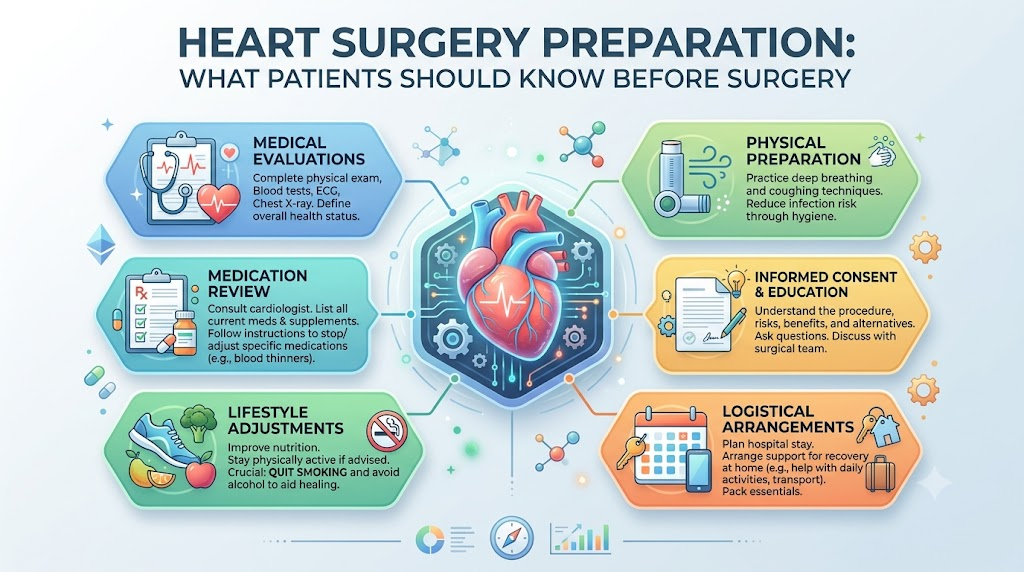
Heart surgery preparation includes the medical, physical, emotional, and practical steps taken before an operation. The exact process depends on the type of surgery, the patient’s general health, existing medical conditions, age, medications, and the recommendations of the healthcare team.
Preparation may begin days or weeks before surgery, although some procedures are planned more urgently. The goal is to make sure the healthcare team understands the patient’s health and that the patient and family know what to expect.
Understand Your Planned Heart Surgery
Ask the surgeon to explain the name and purpose of the planned procedure in language you understand. It is reasonable to ask why the surgery is being recommended, what it involves, what preparation is required, and what the general recovery process may look like.
Patients should also understand where they need to arrive, when they should stop eating or drinking, which medicines require special instructions, and whom to contact if something changes before surgery.
Your Pre-Surgery Medical Evaluation
Before cardiac surgery, the healthcare team usually reviews the patient’s medical history, previous operations, allergies, current health conditions, and medicines. Tell the team about prescription drugs, over-the-counter medicines, vitamins, and supplements.
Pre-surgery testing varies according to the procedure and the patient’s health. It may include blood tests, an ECG or EKG to check the heart’s electrical activity, imaging studies, or other evaluations recommended by the healthcare team.
Never assume that a medicine or supplement is unimportant. Medication changes before surgery should only be made according to instructions from the treating healthcare professional.
Follow Your Pre-Surgery Instructions Carefully
The hospital or surgical team may provide specific instructions about eating, drinking, bathing, medicines, and arrival time. These instructions can differ depending on the procedure and anesthesia plan.
If anything is unclear, ask before the day of surgery rather than guessing. Following the instructions provided by your healthcare team is an important part of safe heart surgery preparation.
Lifestyle Preparation
Depending on the patient’s condition, the healthcare team may recommend changes involving smoking, alcohol, diet, physical activity, sleep, or other habits. Do not make major changes to exercise or diet without discussing them with your healthcare professionals.
Adequate rest and following the medical plan can help patients approach surgery in a more organized way.
Preparing Mentally and Emotionally
Feeling worried, nervous, or uncertain before heart surgery is understandable. Talking openly with family members, the healthcare team, or an appropriate mental health professional may make it easier to manage these feelings.
Write down questions as they come to mind and take them to appointments. Having a trusted family member or caregiver present during important discussions can also help with remembering instructions and communicating concerns.
Practical Heart Surgery Preparation
Good organization can make the hospital experience easier. Keep important medical information together, including your medication list, allergies, relevant medical records, emergency contacts, and healthcare provider information.
Arrange transportation to and from the hospital when required. Depending on the expected recovery, patients may also need someone to help with meals, household tasks, medication organization, and other daily activities after discharge.
Preparing Your Home and Support System
Before surgery, prepare a comfortable place for recovery and remove unnecessary obstacles that could make movement difficult. Arrange assistance with shopping, cooking, cleaning, transportation, and appointments if your healthcare team expects you to have activity restrictions.
Plan simple meals in advance and make sure important medicines and supplies can be organized safely. Confirm follow-up appointments and know how to contact the healthcare team if questions arise.
| Preparation Area | What Patients May Need to Do | Why It Matters |
|---|---|---|
| Medical information | Prepare medication and allergy lists | Gives the team accurate health information |
| Pre-surgery tests | Complete tests requested by the team | Helps assess readiness for surgery |
| Medicines | Follow professional instructions | Reduces medication-related risks |
| Hospital arrangements | Plan transport and essential items | Makes admission and discharge easier |
| Home support | Arrange help with daily activities | Supports a safer recovery |
| Follow-up care | Keep appointment details available | Helps maintain continuity of care |
What to Pack for the Hospital
The hospital will tell you what is necessary, but useful items may include comfortable clothing, basic personal-care products, identification and required documents, glasses if needed, and a written medication list.
Avoid bringing valuable or unnecessary items unless the hospital specifically recommends them. Ask whether the hospital has rules about personal electronics, food, or other belongings.
Communicating With Your Healthcare Team
Clear communication is one of the most useful parts of pre-surgery care. Patients should feel comfortable asking the surgeon, cardiologist, anesthesiologist, nurses, and other team members to explain anything they do not understand.
Ask questions about the procedure, anesthesia, expected hospital care, activity restrictions, wound care, medicines, follow-up visits, and warning signs. If instructions from different sources seem unclear or conflicting, ask the healthcare team to clarify them rather than making assumptions.
Caregivers can help by taking notes, keeping appointment information organized, and making sure important questions are discussed before surgery.
What to Expect on the Day of Heart Surgery
On the day of surgery, patients usually complete admission and preparation procedures before entering the operating area. The healthcare team confirms important information and prepares the patient for anesthesia.
An anesthesiologist is responsible for planning and providing anesthesia and monitoring the patient during the operation. The exact anesthesia approach depends on the procedure and individual circumstances.
After surgery, patients are closely monitored. Some may initially receive intensive monitoring in an intensive care unit (ICU) before moving to another hospital area as their condition allows.
What to Expect After Heart Surgery
Recovery after cardiac surgery varies considerably. The healthcare team may gradually increase activity and provide instructions about breathing exercises, movement, wound care, medicines, nutrition, and follow-up appointments.
Cardiac rehabilitation may also be recommended for some patients. It is a supervised program that can support recovery through appropriate exercise, education, and lifestyle guidance.
There is no single recovery schedule that applies to everyone. The type of surgery, overall health, complications, and other individual factors can affect recovery.
When to Contact Your Healthcare Team
After surgery, follow the specific warning signs and emergency instructions provided by your healthcare professionals. Contact the healthcare team when you have concerns about symptoms, wounds, medicines, activity, or recovery and have been instructed to seek advice.
If a serious or potentially life-threatening problem occurs, follow the emergency instructions provided by your healthcare team and seek immediate emergency medical care rather than waiting for a routine appointment.
How Family Members and Caregivers Can Help
Family members and caregivers often provide practical and emotional support during recovery. They may help with transportation, meals, household activities, medication organization, appointments, and communication with healthcare professionals.
Support should match the patient’s actual needs and the instructions provided by the medical team. Caregivers should also ask questions when they are unsure about how to assist safely.
10 Frequently Asked Questions
1. How long does heart surgery preparation take?
Preparation time varies according to the type of surgery and how urgently it is needed. Some patients have several appointments and tests before a planned operation, while urgent cases may require faster preparation. Your healthcare team will explain which steps need to be completed before surgery.
2. What tests are done before heart surgery?
Tests depend on the planned procedure and the patient’s health. Common evaluations may include blood tests, an ECG or EKG, imaging, and other heart or general health assessments. Your medical team will decide which tests are appropriate rather than using the same testing plan for every patient.
3. Should I stop taking my medicines before surgery?
Do not stop, restart, or change prescription medicines on your own. Some medicines may require special instructions before surgery, while others may need to continue. Give your healthcare team a complete list of prescriptions, over-the-counter products, vitamins, and supplements.
4. What should I ask my surgeon before heart surgery?
Ask about the purpose of the procedure, how you should prepare, anesthesia, hospital care, expected activity restrictions, wound care, follow-up, and signs that require medical attention. If you do not understand an answer, ask the team to explain it in simpler terms.
5. Can I eat or drink before heart surgery?
Your surgical team will provide specific instructions about when to stop eating and drinking. These instructions can vary depending on the operation and anesthesia. Follow the instructions you receive and contact the hospital if you are unsure about what is allowed.
6. How can I prepare my home before cardiac surgery?
Arrange transportation and help with meals, shopping, cleaning, appointments, and other daily activities if needed. Keep frequently used items easy to reach and organize important medicines and medical information. Your healthcare team can tell you what activity limitations to expect.
7. What should I bring to the hospital?
Follow the hospital’s instructions about personal belongings. Patients commonly need identification, relevant documents, medication information, glasses if required, and comfortable personal items. Avoid bringing valuables unless necessary.
8. Will I go to the ICU after heart surgery?
Some patients receive intensive monitoring in an ICU immediately after heart surgery. This allows the healthcare team to closely observe important aspects of recovery. The exact location and duration of monitoring depend on the procedure and the patient’s condition.
9. How can family members support someone having heart surgery?
Family members can help by attending important discussions when appropriate, recording instructions, arranging transportation, preparing the home, and assisting with daily tasks after discharge. Emotional support is also valuable, while medical decisions should remain guided by the patient’s healthcare team.
10. When should I contact my healthcare team after surgery?
Follow the specific instructions and warning signs provided at discharge. Contact your healthcare team when you have concerns about symptoms, wounds, medicines, or recovery that require professional advice. For an emergency or potentially life-threatening situation, seek immediate emergency medical care.
Conclusion
Good heart surgery preparation involves more than completing medical tests. Understanding the planned procedure, following medication and eating instructions, preparing emotionally, organizing transportation and home support, and communicating clearly with the healthcare team can help patients feel more prepared. Recovery also requires patience and careful attention to individualized instructions. Every patient’s surgery and recovery can be different, so the treating surgeon and healthcare team should provide the final guidance. If you have questions or concerns before or after surgery, discuss them directly with your qualified healthcare professionals.