Introduction
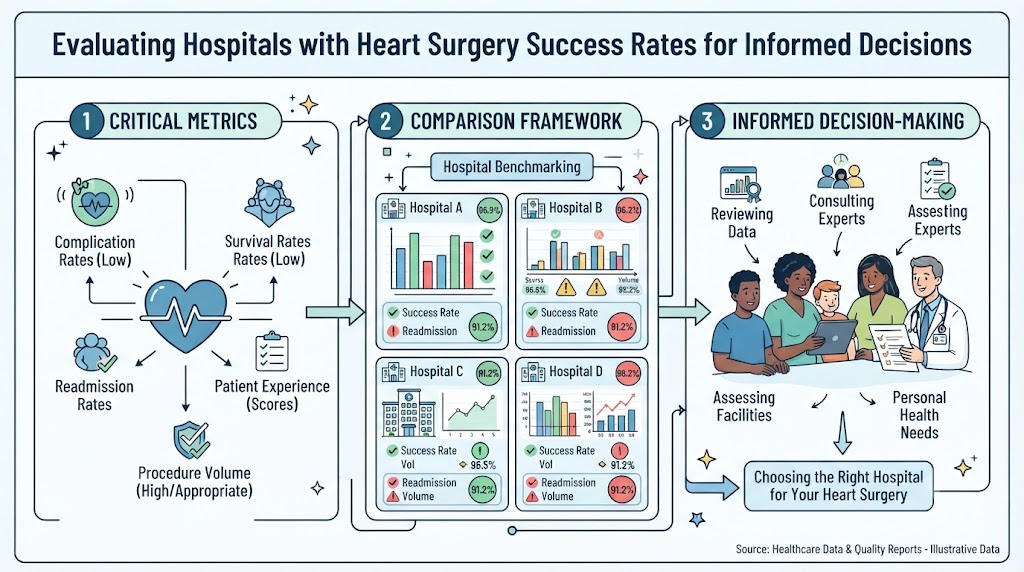
When facing cardiac conditions requiring surgical intervention, finding reliable information is paramount for patients and their families. Many individuals search for hospitals with heart surgery success rates to understand which medical centers offer exceptional care, advanced infrastructure, and dependable clinical outcomes. However, evaluating these statistics requires looking beyond a single percentage to understand the wide range of factors influencing surgical success.Heart surgery outcomes depend heavily on a combination of institutional capabilities, experienced cardiothoracic teams, and comprehensive postoperative support. Understanding how to interpret success metrics helps patients and caregivers choose the most suitable healthcare facility for their specific needs. For reliable resources, hospital comparisons, and cardiac care guidance, patients can explore BESTCARDIACHOSPITALS, a platform dedicated to supporting informed healthcare decisions.
Understanding Heart Surgery Success Rates
Surgical success rates are statistical measurements used to evaluate the performance and safety of cardiac procedures at a given medical center. However, interpreting these figures requires an understanding of what they actually represent:
- Survival Rates: Measure the percentage of patients who survive a specific surgical procedure during the hospital stay or within a designated timeframe (such as 30 days post-surgery).
- Recovery Outcomes: Evaluate how well patients regain physical function and return to daily activities following their intervention.
- Complication Rates: Track the frequency of adverse events, such as infections, bleeding, or neurological incidents during or after the procedure.
Different hospitals may report varying outcomes due to several clinical variables. According to insights from the Cleveland Clinic, success rates are influenced by patient age, underlying heart condition severity, the specific type of surgery performed, previous medical history, surgical team expertise, and the quality of post-operative intensive care.
Types of Heart Surgeries and Outcome Factors
Coronary Artery Bypass Grafting (CABG)
CABG is one of the most common cardiac operations performed to restore adequate blood flow to heart muscle blocked by coronary artery disease.
- Purpose: Creating new pathways for blood to flow around blocked or narrowed coronary arteries using healthy blood vessels harvested from other parts of the body.
- Common Reasons: Severe chest pain (angina), multiple blocked coronary arteries, or when less invasive treatments like stenting are insufficient.
- Factors Affecting Outcomes: Patient age, kidney function, diabetes status, and the extent of coronary vessel disease.
Heart Valve Repair and Replacement
Heart valves maintain one-way blood flow through the heart chambers. When valves become diseased, narrowed (stenosis), or leaky (regurgitation), surgical intervention may be required.
- Valve Conditions: Aortic stenosis, mitral regurgitation, and congenital valve malformations.
- Surgical Approaches: Traditional open-heart surgery, minimally invasive incisions, or catheter-based transcatheter procedures (TAVR/TMVR).
- Recovery Considerations: Ongoing monitoring of valve function and, in some cases, long-term medication management.
Congenital Heart Surgery
Congenital heart defects are structural heart problems present at birth, affecting infants, children, and occasionally adults.
- Specialized Care: Requires highly specialized pediatric and adult congenital cardiothoracic surgical teams operating within advanced medical centers.
- Importance of Experience: High surgical volume and specialized postoperative pediatric units significantly influence long-ventures and survival outcomes.
Aortic Surgery
The aorta is the main artery carrying blood away from the heart. Conditions such as aortic aneurysms or dissections require complex surgical repair.
- Complex Procedures: Involve replacing or repairing weakened sections of the aorta using synthetic grafts.
- Importance of Experienced Centers: These intricate operations require specialized surgical expertise and advanced circulatory support infrastructure.
Minimally Invasive and Robotic Cardiac Surgery
Modern technological advancements allow certain cardiac procedures to be performed through smaller incisions rather than traditional open-chest sternotomies.
- Technology Benefits: Reduced physical trauma, smaller scars, less blood loss, and potentially shorter hospital stays.
- Patient Selection Importance: Not every patient is a candidate; thorough clinical evaluation determines suitability for minimally invasive techniques.
Heart Surgery Outcome Comparison Table
| Surgery Type | Purpose | Factors Affecting Outcomes |
| CABG | Restores blood flow to the heart muscle past blocked coronary arteries. | Graft patency, vessel quality, diabetes, patient age, and overall vascular health. |
| Valve Surgery | Repairs or replaces damaged heart valves to restore normal blood flow. | Extent of valve degeneration, heart chamber function, and choice of valve material. |
| Congenital Heart Surgery | Corrects structural heart defects present at birth. | Complexity of the defect, infant birth weight, and pediatric surgical team expertise. |
| Aortic Surgery | Repairs aneurysms or tears in the body’s main arterial trunk. | Location of the aortic lesion, emergency status, and tissue integrity. |
| Minimally Invasive Cardiac Surgery | Performs heart procedures via small keyhole incisions or robotic assistance. | Anatomical suitability, surgeon proficiency with specialized instruments, and visualization technology. |
Factors That Influence Heart Surgery Success Rates
A successful heart surgery outcome is the result of a coordinated healthcare ecosystem. Several key elements drive clinical excellence:
Experienced Cardiac Surgeons
The technical proficiency of the surgical team is a primary determinant of success. Key aspects include:
- Rigorous Training: Board certification in cardiothoracic surgery and extensive fellowship training.
- Procedure Experience: High annual volume performing specific, complex heart operations.
- Team Coordination: Seamless communication between surgeons, perfusionists, surgical nurses, and anesthesiologists.
Advanced Hospital Infrastructure
Top-tier cardiac centers maintain sophisticated facilities designed to support patient safety:
- Modern Operating Rooms: Equipped with advanced cardiovascular monitoring and sterile laminar airflow systems.
- Cardiac Intensive Care Unit (CICU): Specialized units staffed 24/7 by critical care nurses and intensivists experienced in post-cardiac recovery.
- Emergency Support: Immediate availability of mechanical circulatory support (such as ECMO or ventricular assist devices) if unexpected complications arise.
Multidisciplinary Cardiac Team
Comprehensive care requires collaboration across multiple medical specialties:
- Cardiologists: Overseeing preoperative diagnosis and long-term cardiac management.
- Cardiac Surgeons: Executing the primary operative interventions.
- Anesthesiologists: Managing hemodynamic stability and pain control during surgery.
- Critical Care Specialists: Directing recovery immediately following the operation.
- Rehabilitation Experts: Guiding physical recovery and lifestyle adaptation.
Patient Condition
An individual’s baseline health status plays a major role in surgical recovery:
- Overall Health: Presence of chronic conditions like diabetes, hypertension, or chronic kidney disease.
- Cardiovascular Fitness: Strength of the heart muscle (ejection fraction) prior to intervention.
- Lifestyle Factors: Smoking history, nutritional status, and physical activity levels before surgery.
How to Evaluate Hospitals Based on Heart Surgery Outcomes
When researching medical facilities, patients and families should utilize a structured evaluation framework:
- Surgical Experience: Look for hospitals that transparently report their annual procedure volumes and maintain dedicated cardiothoracic departments.
- Quality Monitoring: Check whether the facility participates in national quality registries (such as the STS database) that track risk-adjusted outcomes and complication rates.
- Technology and Facilities: Verify the availability of advanced cardiac imaging, hybrid operating suites, and dedicated cardiac ICU support.
Hospital Selection Checklist
| Factor | Why It Matters |
| Surgeon Expertise | Ensures precise surgical execution and adept management of complex anatomical challenges. |
| Cardiac ICU Availability | Provides specialized 24/7 monitoring and critical care during the immediate postoperative window. |
| Surgical Technology | Enables advanced imaging, minimally invasive options, and precise intraoperative support. |
| Emergency Services | Guarantees rapid intervention capabilities for unexpected intraoperative or postoperative complications. |
| Rehabilitation Programs | Facilitates structured physical recovery and patient education for long-term heart health. |
| Follow-up Care | Ensures continuous outpatient monitoring, medication adjustments, and recovery tracking. |
Importance of Post-Surgery Care
The journey to recovery does not end when the operation is complete. Postoperative care is vital for ensuring long-term success:
- Cardiac Rehabilitation: Supervised exercise and education programs designed to rebuild physical strength and improve cardiovascular endurance.
- Medication Management: Adhering strictly to prescribed regimens, including blood thinners, beta-blockers, and cholesterol-lowering drugs.
- Lifestyle Changes: Adopting heart-healthy dietary patterns, quitting smoking, and maintaining healthy weight management.
- Follow-up Appointments: Regular consultations with cardiologists and surgeons to monitor graft or valve function and overall healing.
How Patients Can Improve Recovery After Heart Surgery
- Following Doctor Instructions: Strictly adhering to wound care guidelines, activity restrictions, and medication schedules.
- Maintaining Healthy Diet: Eating nutrient-dense, low-sodium meals rich in fresh vegetables, lean proteins, and whole grains.
- Taking Prescribed Medications: Never altering or stopping medications without consulting the medical team.
- Avoiding Smoking: Completely abstaining from tobacco products and avoiding secondhand smoke to protect vascular health.
- Regular Physical Activity: Engaging in gentle, approved exercises like walking, gradually increasing intensity as advised by rehabilitation specialists.
- Managing Stress: Utilizing relaxation techniques, getting adequate sleep, and seeking emotional support during the recovery process.
Common Mistakes Patients Should Avoid
- Choosing Only Based on Advertised Success Rates: Relying solely on a single percentage without examining risk adjustments or patient complexity.
- Ignoring Surgeon Experience: Failing to research the specific sub-specialty training and procedural volume of the operating surgeon.
- Delaying Cardiac Evaluation: Waiting too long to address worsening symptoms, which can limit surgical options and increase risks.
- Skipping Rehabilitation: Neglecting structured cardiac rehabilitation programs, which are essential for safe physical recovery.
- Not Discussing Risks and Alternatives: Failing to have thorough conversations with medical providers regarding potential complications and alternative treatments.
Myths vs Facts Table
| Myth | Fact |
| Higher success rate always means better hospital. | Outcomes depend heavily on patient complexity, risk adjustment, and institutional care quality. |
| Heart surgery success depends only on the surgeon. | Teamwork, advanced hospital infrastructure, nursing care, and aftercare are equally vital. |
| Recovery ends after leaving hospital. | Comprehensive recovery requires weeks or months of cardiac rehabilitation and lifestyle management. |
| Minimally invasive heart surgery is always the best choice. | Suitability depends on individual anatomy and specific medical conditions evaluated by the surgeon. |
| Age alone determines whether heart surgery will be successful. | Overall biological health and organ function are more important indicators than chronological age alone. |
How BESTCARDIACHOSPITALS Helps Patients
Navigating cardiac care options can be challenging for patients and their families. Platforms like BESTCARDIACHOSPITALS assist individuals by providing:
- Comprehensive cardiac hospital discovery resources
- Heart treatment awareness and educational guides
- Hospital comparison tools to evaluate facility capabilities
- Specialist background information to support clinical decisions
- Supportive healthcare decision guidance designed to encourage informed discussions with medical professionals
FAQs
1.What does heart surgery success rate mean?
It generally refers to the percentage of patients who survive a specific cardiac procedure and recover without major adverse events within a designated timeframe.
2.How are heart surgery outcomes measured?
Outcomes are tracked through survival rates, complication frequencies, length of hospital stay, and risk-adjusted national registry data.
3.What factors affect heart surgery success?
Key factors include patient age, overall health status, severity of the heart condition, surgical team expertise, and hospital infrastructure.
4.Is CABG surgery safe?
CABG is a well-established procedure with high success rates when performed by experienced surgical teams on appropriate candidates.
5.How do I choose a cardiac surgery hospital?
Evaluate hospital accreditation, cardiac ICU capabilities, surgical volume, multidisciplinary team availability, and quality monitoring practices.
6.Why does surgeon experience matter?
Higher procedural experience often correlates with refined surgical techniques, shorter operating times, and better management of complex situations.
7.What technology improves heart surgery?
Advanced imaging systems, robotic-assisted surgical platforms, hybrid operating rooms, and modern cardiopulmonary bypass equipment enhance precision.
8.How long does heart surgery recovery take?
Initial recovery typically takes six to twelve weeks, while full rehabilitation and return to routine activities can extend over several months.
9.Does age affect heart surgery outcomes?
While age is a factor, overall physiological health and organ function are more critical determinants of surgical recovery than age alone.
10.Why is cardiac rehabilitation important?
It provides structured exercise, nutritional counseling, and emotional support that significantly improve long-term cardiovascular health.
Final Conclusion
Heart surgery success rates are influenced by a multitude of clinical, technological, and institutional factors. Patients should evaluate hospitals based on surgical expertise, advanced facility infrastructure, safety standards, and comprehensive postoperative support. Choosing the right cardiac hospital requires looking beyond a single number to find a center capable of delivering holistic, patient-centered care.