Introduction
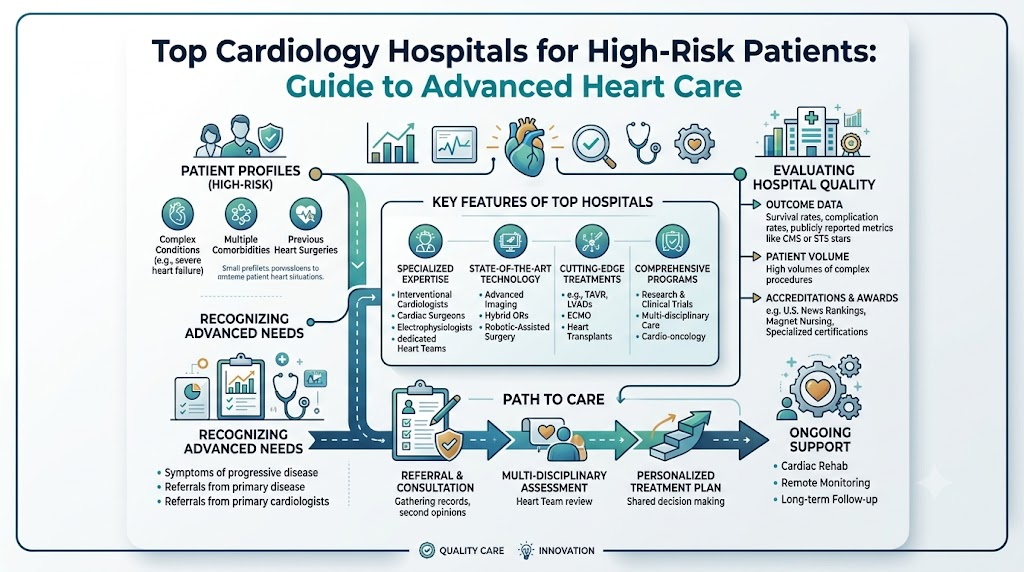
Cardiovascular disease remains one of the most complex challenges in modern medicine. While many individuals manage mild or moderate heart conditions with lifestyle adjustments and standard medications, others face complex medical scenarios that carry elevated clinical risks. These individuals—often referred to as high-risk cardiac patients—require a level of care that extends beyond basic medical management.Navigating the landscape of advanced cardiovascular care can feel overwhelming for patients and families facing a serious diagnosis or preparing for complex surgery. Online resources like BESTCARDIACHOSPITALS support patients by helping them explore hospitals, learn about advanced heart procedures, compare specialized centers, and make informed choices alongside their physicians.In this guide, you will learn about the clinical factors that define high-risk cardiac status, the array of specialized services offered by leading heart centers, modern diagnostic procedures, key selection criteria when choosing a hospital, and strategies for long-term recovery and cardiovascular health.
Who Is Considered a High-Risk Cardiology Patient?
In cardiology, a patient is designated as “high-risk” when certain clinical factors increase the probability of severe complications during or after medical procedures, or when their underlying condition carries a higher likelihood of rapid disease progression.
+-----------------------------------------------------------------------+
|                    HIGH-RISK CARDIAC INDICATORS                       |
+-----------------------------------------------------------------------+
|  • Advanced Coronary Artery Disease (Multi-vessel / Main Stem)        |
|  • Severe Heart Failure with Low Ejection Fraction                    |
|  • Complex Valve Disease (Severe Stenosis / Regurgitation)            |
|  • Complex Congenital Heart Defects in Adults                         |
|  • Life-Threatening Ventricular Arrhythmias                           |
|  • Multiple Chronic Conditions (Kidney Disease, Diabetes, COPD)       |
|  • History of Prior Cardiac Surgeries or Interventions                |
+-----------------------------------------------------------------------+
Advanced Coronary Artery Disease
Patients with severe blockages in multiple coronary arteries—or blockages located in critical areas like the left main coronary artery—face significant risk. Reduced blood flow to large sections of the heart muscle makes procedures more delicate and requires precise interventional or surgical planning.
Severe Heart Failure
Heart failure occurs when the heart muscle becomes too weak or stiff to pump blood effectively throughout the body. Patients with severely reduced ejection fraction (a measure of how much blood the left ventricle pumps out with each contraction) require specialized monitoring and medication balance before, during, and after any intervention.
Complex Valve Disease
Severe narrowing (stenosis) or leaking (regurgitation) of the heart valves—especially when affecting multiple valves simultaneously—places immense strain on the heart chambers. Managing these conditions often requires sophisticated surgical repair, tissue replacement, or catheter-based valve therapies.
Multiple Chronic Medical Conditions (Multimorbidity)
When severe heart disease exists alongside other major chronic illnesses—such as chronic kidney disease, advanced diabetes, severe lung disease, or peripheral vascular disease—the complexity of treatment increases dramatically. Each condition affects how the body responds to medications, anesthesia, and recovery.
Prior Heart Surgery and Congenital Defects
Patients who have undergone previous open-heart surgeries often have scar tissue that makes subsequent procedures more challenging. Similarly, adults living with congenital heart defects require specialized care from teams trained specifically in adult congenital heart disease (ACHD).
Common Conditions Treated at Advanced Cardiology Hospitals
Leading cardiovascular hospitals care for patients with a broad spectrum of severe and complex heart conditions:
- Advanced Coronary Artery Disease (CAD): Extensive plaque buildup in the heart’s primary arteries restricting blood flow to the myocardium.
- Severe Heart Failure & Cardiomyopathy: Structural or functional impairment of the heart muscle leading to fluid retention, fatigue, and systemic breathlessness.
- Complex Heart Valve Disorders: Advanced stenosis or regurgitation of the aortic, mitral, tricuspid, or pulmonary valves.
- Life-Threatening Cardiac Arrhythmias: Dangerous electrical disturbances, such as recurrent ventricular tachycardia or complex atrial fibrillation, requiring electrophysiological management.
- Adult Congenital Heart Disease (ACHD): Structural heart abnormalities present from birth that require lifelong monitoring and specialized adult interventions.
- Aortic Disease: Life-threatening structural weaknesses in the body’s main artery, including thoracic aortic aneurysms and aortic dissections.
- Acute Coronary Syndrome (ACS): Urgent, life-threatening conditions involving sudden reductions in coronary blood flow, such as unstable angina or massive myocardial infarction.
- Pulmonary Hypertension: High blood pressure within the arteries of the lungs, which places severe strain on the right side of the heart.
Advanced Cardiology Services Comparison Table
| Service | Primary Purpose | Patient Benefit |
| Interventional Cardiology | Minimally invasive catheter-based procedures | Faster recovery times and options for nonsurgical candidates |
| Cardiac Catheterization | Precise anatomical and pressure evaluation | Delivers definitive diagnostic data to guide targeted therapies |
| Cardiac Surgery | Complex open and minimally invasive surgical operations | Addresses severe multi-vessel blockages, valve destruction, and aortic disease |
| Cardiac Intensive Care (CICU) | Highly specialized, continuous critical monitoring | Provides stabilization and organ support for critically ill heart patients |
| Electrophysiology (EP) | Diagnosis and catheter treatment of rhythm disorders | Restores stable heart rhythms and reduces stroke or cardiac arrest risks |
| Cardiac Rehabilitation | Structured exercise, education, and lifestyle guidance | Safely rebuilds physical endurance and improves long-term survival |
Services Offered by Leading Cardiology Hospitals
Comprehensive heart centers bring together diagnostic, interventional, surgical, and supportive services under one organized framework.
                   +--------------------------------+
                   |  ADVANCED CARDIOVASCULAR CARE  |
                   +---------------+----------------+
                                   |
        +--------------------------+--------------------------+
        |                                                     |
+-------v-------+                                     +-------v-------+
| DIAGNOSTICS & |                                     | SURGICAL &    |
| INTERVENTIONS |                                     | CRITICAL CARE |
+-------+-------+                                     +-------+-------+
| • Cath Lab    |                                     | • CABG / Valves|
| • Angioplasty |                                     | • Cardiac ICU |
| • EP Ablation |                                     | • Rehab Care  |
+---------------+                                     +---------------+
Emergency Cardiac Care & Catheterization Laboratories
Time is critical during an acute cardiac event. Leading hospitals maintain dedicated 24/7 cardiac emergency pathways and cardiac catheterization laboratories (cath labs). These facilities allow medical teams to perform rapid coronary angiography to locate blockages and execute emergency angioplasty and stenting to restore blood flow.
Cardiac Surgery Programs
When catheter-based procedures are insufficient, specialized cardiac surgery departments offer advanced surgical options. These include Coronary Artery Bypass Grafting (CABG) for multi-vessel disease, complex heart valve repair or replacement, and reconstructive surgery of the aorta.
Electrophysiology & Device Management
Electrophysiologists manage the heart’s electrical system. They perform diagnostic mapping, catheter ablations to correct abnormal rhythms, and surgically implant cardiac devices such as pacemakers, Implantable Cardioverter-Defibrillators (ICDs), or Cardiac Resynchronization Therapy (CRT) devices.
Specialized Heart Failure & Rehabilitation Services
Advanced heart failure programs utilize medical therapy, mechanical circulatory support devices (such as Left Ventricular Assist Devices, or LVADs), and evaluation for heart transplantation. Following procedures or acute events, medically supervised cardiac rehabilitation programs guide patients through structured exercise and lifestyle adjustments.
Advanced Technologies Used
Modern cardiovascular centers utilize sophisticated technology to improve diagnostic accuracy, reduce surgical trauma, and enhance patient safety during high-risk interventions.
+----------------------------------------------------------------------+
|                     ADVANCED CARDIAC TECHNOLOGIES                    |
+----------------------------------------------------------------------+
|  [Hybrid Operating Rooms]     --> Blends open surgery with cath labs|
|  [Intravascular Imaging]      --> IVUS & OCT for precise stent placement|
|  [Mechanical Circulatory Support]--> ECMO & Impella for hemodynamic stability|
|  [3D Structural Echocardiography]--> Real-time valve & chamber visualization|
|  [Advanced CT & Cardiac MRI]  --> Non-invasive anatomical & tissue imaging  |
+----------------------------------------------------------------------+
- Hybrid Operating Rooms: Advanced surgical suites equipped with catheterization technology, allowing cardiac surgeons and interventional cardiologists to perform combined open and minimally invasive procedures simultaneously.
- Intravascular Imaging (IVUS and OCT): Intravascular Ultrasound (IVUS) and Optical Coherence Tomography (OCT) allow cardiologists to view the interior walls of coronary arteries from the inside, ensuring optimal stent sizing and placement.
- Mechanical Circulatory Support (MCS): Temporary pumps such as Impella devices, Intra-Aortic Balloon Pumps (IABP), and Extracorporeal Membrane Oxygenation (ECMO) support blood circulation and oxygenation in critically ill patients or during complex high-risk procedures.
- Advanced Cardiac MRI & CT: High-speed, non-invasive imaging techniques that provide detailed three-dimensional maps of heart muscle structure, scar tissue, congenital abnormalities, and vessel pathways.
- Artificial Intelligence-Assisted Diagnostics: AI algorithms analyze complex imaging scans and electrocardiograms, helping clinicians detect subtle structural changes and risk factors earlier.
How to Choose the Right Cardiology Hospital
Selecting a hospital for complex heart care involves evaluating medical expertise, facility capabilities, and support systems. The most suitable choice depends on the patient’s specific diagnosis, overall medical condition, geographical proximity, and personal care preferences.
                       +------------------------+
                       | EVALUATING A HOSPITAL  |
                       +-----------+------------+
                                   |
         +-------------------------+-------------------------+
         |                                                   |
+--------v-------+                                  +--------v-------+
| CLINICAL EXPERTISE |                              | FACILITIES & SUPPORT|
+--------+-------+                                  +--------+-------+
| • Heart Team   |                                  | • 24/7 Emergency
| • Surgeon Volume|                                 | • Dedicated CICU
| • EP Specialists|                                 | • Cardiac Rehab|
+----------------+                                  +----------------+
Experienced Heart Teams
Evaluate facilities that utilize a formal “Heart Team” approach—a collaborative panel where interventional cardiologists, cardiothoracic surgeons, imaging specialists, and heart failure experts jointly review complex patient cases to determine the safest treatment plan.
Specialized Cardiac ICU Facilities
High-risk patients often require close post-procedure monitoring. Confirm that the hospital features a dedicated Cardiac Intensive Care Unit (CICU) staffed by critical care physicians and nurses trained specifically in cardiovascular recovery.
Comprehensive Emergency & Rehabilitation Capabilities
Ensure the medical center operates round-the-clock emergency cath labs and offers structured, physician-directed cardiac rehabilitation to guide recovery after discharge.
Hospital Selection Checklist
| Feature | Why It Matters |
| Multidisciplinary Heart Team | Brings together diverse specialist perspectives for complex care planning |
| High-Volume Surgery Program | Surgical volume correlates with procedural proficiency and team experience |
| Advanced Cath Lab & Hybrid OR | Enables complex interventional and combined surgical procedures |
| Dedicated Cardiac ICU (CICU) | Delivers round-the-clock critical monitoring for fragile patients |
| 24/7 Emergency Services | Ensures immediate response during acute, life-threatening cardiac events |
| Structured Cardiac Rehabilitation | Supports safe physical recovery and reduces long-term rehospitalization |
Diagnostic Evaluation Before Treatment
Before undergoing complex cardiac interventions, high-risk patients complete a detailed diagnostic evaluation to establish baseline function and identify potential procedural risks.
  [Medical History & Physical Exam]
                  │
                  ▼
  [Non-Invasive Diagnostic Testing] ──► ECG, Echocardiogram, Cardiac CT/MRI
                  │
                  ▼
  [Invasive Functional Evaluation]  ──► Coronary Angiography, Hemodynamic Pressure Studies
                  │
                  ▼
  [Multidisciplinary Risk Scoring]  ──► Heart Team Review & Personalized Strategy
Initial Assessment & Non-Invasive Diagnostics
Care begins with a thorough medical history and physical examination. Non-invasive evaluations include 12-lead Electrocardiograms (ECG) to monitor electrical activity, Echocardiograms (ultrasound) to evaluate chamber size and pumping efficiency, and stress testing to assess blood flow under exertion.
Advanced Imaging & Angiography
For deeper structural or anatomical clarity, doctors may order Cardiac CT or MRI scans. Coronary Angiography—an invasive procedure where dye is injected into the coronary arteries under X-ray guidance—remains the gold standard for pinpointing precise locations of arterial blockages.
Comprehensive Risk Scoring
Specialists combine diagnostic results with validated clinical scoring systems (such as the STS Score or EuroSCORE) to calculate procedural risks. This data allows the Heart Team to compare the safety profiles of medical therapy, interventional procedures, or open surgery for each individual.
Treatment Planning for High-Risk Patients
Developing a care plan for a high-risk cardiac patient requires balancing potential benefits against procedural risks.
+------------------------------------------------------------------------+
|                      TREATMENT STRATEGY PATHWAYS                       |
+------------------------------------------------------------------------+
|  OPTION 1: OPTIMIZED MEDICAL THERAPY (OMT)                             |
|  • Advanced pharmaceuticals for pressure, cholesterol, & rhythm        |
+------------------------------------------------------------------------+
|  OPTION 2: MINIMALLY INVASIVE INTERVENTIONS                            |
|  • High-risk PCI with circulatory support (Impella / ECMO)             |
|  • Transcatheter Valve Therapies (TAVR / MitraClip)                    |
+------------------------------------------------------------------------+
|  OPTION 3: CARDIAC SURGICAL PROCEDURES                                 |
|  • Multi-vessel CABG, valve replacement, or aortic repair             |
+------------------------------------------------------------------------+
Medication Optimization
In many scenarios, tailored pharmaceutical therapy forms the foundation of treatment. Advanced medications manage blood pressure, reduce cholesterol, control heart rhythms, relieve fluid retention, and lessen the heart’s workload.
Minimally Invasive Interventions
For patients whose medical profiles make traditional open-heart surgery higher risk, minimally invasive options may be considered. These include Percutaneous Coronary Intervention (PCI) supported by temporary mechanical circulation, or transcatheter valve replacement procedures (such as TAVR).
Surgical Intervention & Critical Support
When surgery is the most effective pathway, cardiothoracic surgeons utilize specialized techniques—such as off-pump bypass surgery or minimally invasive valve incisions—to reduce physical stress on the body, followed by intensive recovery monitoring in the CICU.
Recovery and Long-Term Heart Care
Recovery from a major cardiac procedure or severe heart event extends well beyond the hospital stay. Long-term cardiovascular health requires consistent self-care and ongoing medical supervision.
+--------------------------------------------------------------------+
|                  LONG-TERM HEART MANAGEMENT                        |
+--------------------------------------------------------------------+
|  [Medication Adherence] --> Take prescriptions exactly as directed |
|  [Blood Pressure]       --> Maintain target pressure levels        |
|  [Lipid Management]     --> Keep LDL cholesterol within target range |
|  [Nutrition & Exercise] --> Follow a heart-healthy diet & rehab    |
|  [Routine Follow-Ups]   --> Attend regular cardiology evaluations  |
+--------------------------------------------------------------------+
- Strict Medication Adherence: Taking prescribed medications—such as antiplatelets, beta-blockers, ACE inhibitors, or statins—exactly as directed is vital to prevent blood clots, lower blood pressure, and protect heart function.
- Comprehensive Risk Factor Control: Keep blood pressure, blood glucose, and cholesterol levels within target ranges set by your cardiologist.
- Heart-Healthy Lifestyle Habits: Adopt a balanced diet rich in vegetables, lean proteins, and whole grains while limiting sodium and saturated fats. Avoid all tobacco products and limit alcohol consumption.
- Participating in Cardiac Rehabilitation: Attending structured rehabilitation sessions helps safely rebuild physical stamina under medical supervision.
Possible Risks and Complications
While modern cardiac procedures are safer than ever, high-risk patients face potential complications that require proactive management:
- Procedure-Related Events: Interventions carry small inherent risks of heart attack, stroke, or bleeding at the catheter entry site or surgical incision.
- Heart Rhythm Disturbances: Disruptions to the heart’s electrical system can occur after surgery or catheter interventions, requiring temporary or permanent pacing support.
- Kidney Stress (Contrast-Induced Acute Kidney Injury): Iodine contrast dyes used during fluoroscopic imaging can place stress on the kidneys, particularly in patients with pre-existing renal conditions.
- Progression of Heart Failure: Patients with significantly reduced baseline heart function may experience temporary worsening of heart failure symptoms during recovery.
Specialized medical centers use thorough pre-procedure hydration, kidney-sparing contrast protocols, continuous hemodynamic monitoring, and early mobilization to minimize these risks.
How BESTCARDIACHOSPITALS Helps Patients
Navigating complex cardiovascular treatment options can feel overwhelming. BESTCARDIACHOSPITALS provides clear, educational resources to assist patients and their families throughout their healthcare journey.
+------------------------------------------------------------------------+
|                     BESTCARDIACHOSPITALS RESOURCES                     |
+------------------------------------------------------------------------+
|  [Hospital Discovery]  --> Search accredited cardiovascular centers    |
|  [Program Comparison]  --> Learn about specialized services & teams    |
|  [Procedure Insights]  --> Access simple breakdowns of heart procedures|
|  [Patient Empowerment] --> Prepare informed questions for your doctors |
+------------------------------------------------------------------------+
Through BESTCARDIACHOSPITALS, readers can learn about leading cardiovascular facilities, research advanced heart procedures, understand specialized programs, and access educational content. By organizing critical healthcare information in an accessible format, the platform helps readers approach consultations with their cardiologists with greater clarity and confidence.
Common Mistakes Patients Make
Addressing common oversights can lead to better treatment outcomes and smoother recoveries.
1. Delaying Medical Attention for Warning Symptoms
- The Mistake: Dismissing new or worsening chest discomfort, shortness of breath, or fatigue as temporary tiredness or indigestion.
- The Solution: Seek immediate emergency evaluation for any acute chest pain, pressure, severe breathlessness, or sudden dizziness.
2. Discontinuing Medications Unadvisedly
- The Mistake: Stopping blood thinners or heart medications prematurely due to mild side effects or feeling better.
- The Solution: Never stop or adjust cardiac medications without consulting your cardiologist, as abrupt changes can trigger blood clots or rebound symptoms.
3. Skipping Cardiac Rehabilitation
- The Mistake: Viewing cardiac rehabilitation as optional after leaving the hospital.
- The Solution: Participate fully in a supervised rehab program, which is clinically proven to improve endurance, emotional well-being, and long-term survival.
4. Overlooking Mental and Emotional Health
- The Mistake: Ignoring feelings of anxiety or depression that frequently accompany serious heart diagnoses.
- The Solution: Discuss emotional health openly with your care team. Managing stress and mental well-being is an integral part of cardiovascular recovery.
Common Myths vs. Facts
| Myth | Fact |
| Every high-risk heart patient requires open surgery. | Many high-risk patients can be successfully treated with advanced medical therapies or minimally invasive catheter procedures. |
| Cardiovascular disease only affects older adults. | Heart disease can affect individuals across a wide age spectrum depending on genetics, lifestyle, and underlying health factors. |
| Recovery is complete once you leave the hospital. | Hospital discharge is just one step; long-term medication adherence, lifestyle changes, and follow-ups are essential for lasting recovery. |
| All hospitals offer the same level of cardiac care. | Specialized heart centers have advanced technologies, dedicated cardiac ICUs, and multidisciplinary heart teams that general community hospitals may not offer. |
Real-Life Educational Scenarios
Scenario A: Collaborative Heart Team Care for Complex CAD
A 68-year-old patient with long-standing diabetes and multi-vessel coronary artery disease was evaluated for treatment. Rather than relying on a single specialist’s opinion, a multidisciplinary Heart Team—including an interventional cardiologist, a cardiothoracic surgeon, and a diabetic care specialist—jointly reviewed the angiography films. Together, they designed a hybrid strategy that optimized patient safety and led to a successful recovery.
Scenario B: Rapid Emergency Intervention for Acute Coronary Syndrome
A patient experiencing sudden, severe chest pressure called emergency services and was transported directly to a hospital with a 24/7 cardiac cath lab. The emergency team diagnosed a massive arterial blockage and performed an emergency angioplasty with stent placement within minutes of arrival, limiting heart muscle damage and supporting a swift recovery.
Scenario C: Rebuilding Stamina Through Cardiac Rehabilitation
Following successful valve replacement surgery, a high-risk patient felt anxious about returning to physical activity at home. Enrolling in a 12-week, medically supervised cardiac rehabilitation program allowed them to perform monitored exercise, learn heart-healthy nutrition, build physical confidence, and gradually return to daily routines safely.
Scenario D: Managing Complex Heart Failure Through Coordinated Care
An individual diagnosed with advanced cardiomyopathy experienced frequent hospital readmissions due to fluid buildup. By transitioning their care to a dedicated heart failure program, specialists fine-tuned their medical regimen, provided personalized fluid monitoring education, and integrated remote monitoring tools. This coordinated approach stabilized their condition and significantly reduced emergency room visits.
Frequently Asked Questions (FAQs)
1.Who is considered a high-risk heart patient?
A patient is considered high-risk if they have severe or widespread cardiovascular disease, complex structural heart defects, significantly reduced heart function, prior heart surgeries, or multiple co-existing health conditions such as kidney disease or diabetes.
2.What services should a leading cardiology hospital provide?
A specialized heart center should offer 24/7 emergency cardiac care, advanced catheterization labs, a dedicated cardiac surgery department, a Cardiac Intensive Care Unit (CICU), electrophysiology services, and a comprehensive cardiac rehabilitation program.
3.When is cardiac surgery recommended over catheter procedures?
Cardiac surgery is generally recommended when a patient has severe multi-vessel blockages, complex structural valve destruction, aortic aneurysms, or anatomical factors that make catheter-based interventions less effective or higher risk.
4.What is cardiac catheterization?
Cardiac catheterization is a procedure where a thin, flexible tube (catheter) is guided through blood vessels to the heart to evaluate blood flow, measure internal chamber pressures, and obtain detailed X-ray imaging (angiography).
5.What is angioplasty?
Angioplasty is a minimally invasive interventional procedure used to open narrowed or blocked coronary arteries. A tiny balloon is inflated inside the vessel to restore blood flow, usually followed by placing a mesh stent to keep the artery open.
6.What is cardiac rehabilitation?
Cardiac rehabilitation is a medically supervised program involving progressive exercise training, cardiovascular health education, stress management, and nutritional counseling designed to aid recovery after heart procedures or events.
7.How are high-risk heart patients monitored during procedures?
During procedures, high-risk patients are monitored using real-time electrocardiograms, continuous blood pressure tracking, blood oxygen sensors, advanced echocardiography, and, when necessary, temporary mechanical circulatory support devices.
8.What non-invasive tests evaluate heart disease?
Common non-invasive tests include 12-lead electrocardiograms (ECG), echocardiograms (ultrasound), nuclear stress tests, cardiac CT angiography, and cardiac MRI scans.
9.How do I choose the right cardiology hospital for a complex condition?
Look for facilities with experienced, board-certified cardiologists and surgeons, a collaborative Heart Team model, high procedural volumes, advanced CICU capabilities, and structured rehabilitation services.
10.What is a multidisciplinary heart team?
A Heart Team is a collaborative group of experts—including general cardiologists, interventional cardiologists, cardiothoracic surgeons, cardiac imaging specialists, and critical care doctors—who meet to determine the safest care plan for complex patients.
11.Can minimally invasive procedures replace open-heart surgery?
In many cases, yes. Procedures like Transcatheter Aortic Valve Replacement (TAVR) or complex percutaneous coronary interventions allow specialists to treat certain conditions without traditional open surgery, particularly in higher-risk individuals.
12.How important is follow-up care after a heart procedure?
Follow-up care is essential. Regular appointments allow cardiologists to monitor healing, check cardiac device function, adjust medications, and identify potential complications early.
13.What lifestyle changes best support long-term heart health?
Key changes include eating a balanced diet low in sodium and saturated fats, engaging in regular physician-approved exercise, quitting smoking, managing stress, and keeping blood pressure, cholesterol, and blood sugar in control.
14.What emergency symptoms require immediate medical attention?
Call emergency services immediately if you experience severe chest pain or pressure, pain spreading to the neck, jaw, or arm, sudden severe shortness of breath, unexplained cold sweats, or sudden fainting.
15.How does BESTCARDIACHOSPITALS help patients find advanced cardiac care?
BESTCARDIACHOSPITALS offers an educational platform where patients can explore accredited cardiovascular centers, learn about advanced heart procedures, compare specialized hospital capabilities, and access reliable heart health information.
Final Thoughts
Managing complex cardiovascular conditions requires specialized medical expertise, advanced clinical technology, and coordinated care. For high-risk heart patients, receiving treatment at an experienced cardiology hospital—guided by a collaborative Heart Team—provides access to the diagnostic tools, interventional therapies, surgical capabilities, and critical care support necessary to navigate complex health challenges.While medical interventions play a vital role, long-term heart health relies on active patient participation. Adhering to prescribed medications, attending cardiac rehabilitation, adopting heart-healthy habits, and maintaining regular follow-up visits are essential steps toward long-term health and stability.