Introduction
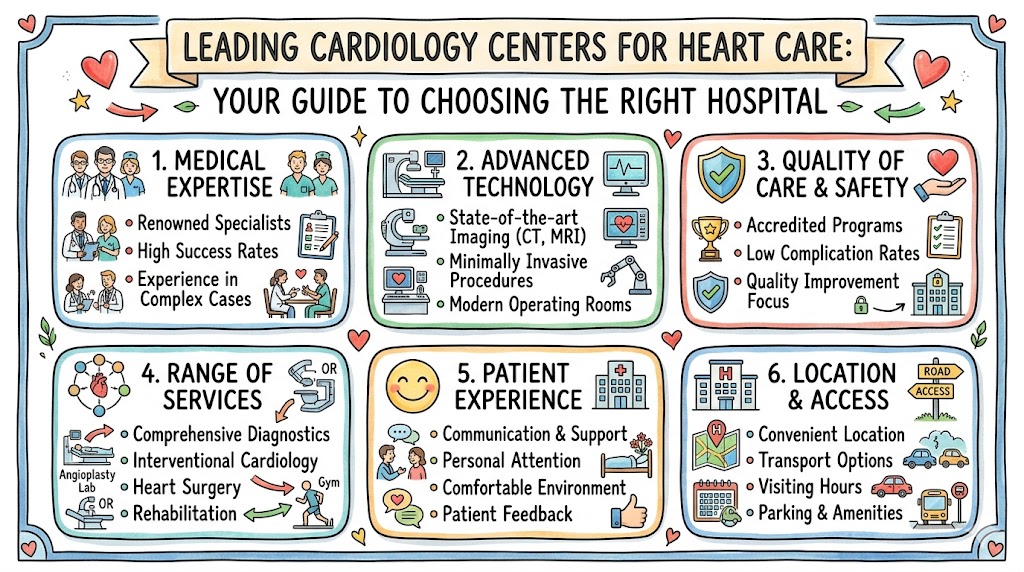
The global landscape of health is facing a significant challenge from the steady rise of cardiovascular diseases. Across different age groups, backgrounds, and locations, heart conditions remain a primary threat to long-term vitality. The human heart, functioning as a continuous pump, relies on highly specific biological balances. When structural problems, blockages, or electrical rhythm disruptions affect this organ, general medical care is rarely enough. The complex nature of the cardiovascular system requires highly specialized knowledge, which makes choosing the right medical care an absolute necessity for survival and long-term health.
Dedicated heart care centers play a vital role in managing this health burden. Unlike general medical centers, these highly specialized facilities are built from the ground up to analyze, treat, and rehabilitate the human heart. From low-dose diagnostic imaging to advanced catheterization labs, every room is tailored to mitigate cardiovascular strain. Furthermore, the presence of integrated emergency heart care networks ensures that when a life-threatening cardiac event occurs, patients bypass standard hospital bottlenecks and receive targeted care immediately.
When a cardiac crisis unfolds, every single minute directly influences clinical outcomes. A major blockage in a coronary artery starves the heart muscle of oxygen, leading to irreversible tissue damage. Specialized cardiology hospitals function with highly synchronized clinical protocols, ensuring that emergency response workflows run like clockwork. Choosing the right institution means gaining access to specialized cardiac specialists who understand how to treat complicated heart conditions, manage critical shifts in blood flow, and provide highly protective intensive care support.
In this journey toward healing, having access to verified, professional health information is invaluable for patient families. Educational platforms like BestCardiacHospitals serve as a reliable guide, assisting families in researching certified institutions, understanding complex surgical procedures, and identifying leading cardiology centers. This transparent digital guidance empowers patients to make informed decisions when face-to-face with complex choices regarding chronic disease management or emergency surgical pathways.
Consider a realistic scenario: a family member experiences a sudden, heavy pressure behind their breastbone, accompanied by mild sweating and discomfort traveling down their left arm. In a non-specialized setting, valuable time might be spent waiting in a general emergency line for baseline blood results or a general doctor’s evaluation. In contrast, arriving at a dedicated cardiology center triggers an immediate, highly specific timeline—an electrocardiogram is completed within minutes, the interventional cardiology team is alerted, and the patient is taken to a specialized laboratory to open the blocked vessel. This guide explores the structure of these advanced centers to help you navigate your heart health with clarity.
What Are Leading Cardiology Centers?
Leading cardiology centers are highly specialized medical institutions or dedicated departments within major medical systems designed exclusively to provide comprehensive care for the human cardiovascular system. These centers go beyond basic medical examinations, serving as centralized hubs where advanced clinical research, cutting-edge surgical technology, and specialized medical teams work together to manage all stages of heart health.
Role in Heart Disease Diagnosis and Treatment
The fundamental purpose of a leading cardiology center is to provide accurate, rapid diagnoses and tailored treatment options for complex heart conditions. These institutions handle a broad spectrum of care, from investigating minor heart palpitations to executing complex open-heart surgeries. By concentrating specialized technology and medical expertise in one location, these centers ensure that patients do not have to travel to multiple facilities for blood work, diagnostic imaging, surgical intervention, and post-operative recovery.
Cardiac Specialists and Surgical Teams
The workforce inside these centers consists of medical professionals who have dedicated years of additional study to mastering specific aspects of the human heart:
- Clinical Cardiologists: Experts focused on the long-term management of heart conditions, medication adjustments, and routine preventive heart screenings.
- Interventional Cardiologists: Specialists trained to perform minimally invasive, catheter-based procedures to open blocked arteries and repair structural defects.
- Cardiothoracic Surgeons: Highly skilled surgeons who perform complex open-heart operations, including coronary bypass surgery and heart valve replacements.
- Electrophysiologists: Heart rhythm specialists who diagnose and treat electrical malfunctions of the heart, using pacemakers and ablation techniques.
- Cardiac Anesthesiologists: Specialists trained to manage the delicate vital signs and anesthesia needs of cardiac patients during complex surgeries.
Emergency Heart Care Units
A dedicated emergency department within a heart care center is uniquely optimized for immediate triage. These units feature specialized reception areas where chest pain complaints are prioritized instantly. The staff are trained to look past obvious symptoms, recognizing atypical signs of a heart attack—such as jaw pain or persistent nausea—which are common in female and diabetic patients. These emergency zones operate with immediate, direct access to catheterization labs, keeping treatment delays to an absolute minimum.
Diagnostic and Imaging Systems
Accurate treatment begins with exceptional visualization. Leading cardiology centers house advanced diagnostic suites separate from general hospital imaging. These include ultra-high-resolution electrocardiogram (ECG) arrays, 3D echocardiography systems that map heart valves in real time, and low-dose cardiac CT angiography scanners capable of mapping out microscopic blockages within coronary arteries in a matter of seconds.
ICU and Post-Operative Care Units
The journey to recovery continues in specialized intensive care environments. The cardiology ICU (CICU) is optimized for patients recovering from acute heart attacks, heart failure episodes, or life-threatening rhythm issues. Additionally, a dedicated Cardiothoracic Intensive Care Unit (CTICU) manages patients immediately following major open-heart operations, utilizing advanced life-support technology and highly specialized nurses to stabilize patients during the critical hours after surgery.
Why Cardiology Centers Matter
When managing a complex organ like the heart, seeking care at a specialized facility can drastically alter the trajectory of a patient’s recovery. The differences in outcomes are driven by structural advantages built into these centers.
Faster Emergency Response
In cardiology, there is a well-known clinical phrase: “Time is muscle.” Every minute a coronary artery remains blocked during a heart attack, thousands of cardiac cells die, permanently weakening the heart’s pumping capacity. Leading cardiology centers work under strict performance standards, such as keeping the “door-to-balloon” time—the interval from a patient entering the hospital to opening their blocked artery with a balloon catheter—well under the globally recommended 90 minutes.
Accurate Heart Diagnosis
Heart disease can present in subtle, easily misunderstood ways. A vague sensation of indigestion or mild fatigue during light exercise can easily be misdiagnosed in a general medical clinic. Cardiac specialists use highly targeted diagnostic tools and deep clinical experience to interpret borderline data accurately, distinguishing between a harmless heart murmur and a critical valve failure before a dangerous event occurs.
Advanced Treatment Options
Dedicated heart treatment hospitals stay at the cutting edge of cardiovascular innovation. Patients at these institutions gain access to advanced options that may be completely unavailable in smaller general clinics. This includes modern, minimally invasive procedures like Transcatheter Aortic Valve Replacement (TAVR), which allows doctors to replace damaged heart valves through a small puncture in the groin, completely avoiding the need for traditional open-heart surgery in high-risk patients.
Reduced Mortality Risk
Statistical data consistently demonstrates that patients experiencing acute cardiac events have a significantly lower risk of mortality when treated at dedicated cardiology hospitals. This survival benefit is the direct result of having experienced specialists available around the clock, highly specialized ICU infrastructure, and an experienced team that performs thousands of identical clinical interventions every year.
Continuous ICU Monitoring
The environment within a cardiology ICU is defined by highly precise observation. Advanced central monitoring systems track a patient’s heart rhythm, blood oxygenation, and continuous blood pressure down to the second. Highly trained cardiac nurses, who maintain low patient-to-nurse ratios, can detect microscopic changes in an ECG pattern instantly, allowing the medical team to intervene and stop a dangerous arrhythmia before the patient even becomes aware of a symptom.
Specialized Cardiac Expertise
Treating a heart patient requires a deep understanding of multi-system interactions. For example, adjusting a heart failure medication can alter kidney function, while managing a blood thinner requires balancing clot prevention against bleeding risks. The integrated nature of a dedicated cardiology center allows heart specialists, renal experts, and cardiac pharmacists to collaborate daily, building highly protective, personalized treatment plans.
Core Cardiology Services
A modern heart care center provides a comprehensive range of clinical services tailored to every stage of cardiovascular disease management.
┌─────────────────────────────────────────────────────────────────────────┐
│                       CORE CARDIOLOGY SERVICES                          │
├─────────────────────────────────────────────────────────────────────────┤
│  Diagnostic & Interventional       │  Surgical & Critical Support       │
│  ───────────────────────────       │  ───────────────────────────       │
│  • Angiography / Imaging           │  • Heart Bypass Surgery (CABG)     │
│  • Angioplasty / Stenting          │  • Specialized Cardiology ICU      │
│  • Electrophysiology / Ablation    │  • Emergency Attack Treatment      │
│  • Preventive Health Screenings   │  • Comprehensive Rehabilitation    │
└─────────────────────────────────────────────────────────────────────────┘
Interventional Cardiology Procedures
Interventional cardiology focuses on using thin, flexible tubes called catheters to access the heart through the blood vessels. These minimally invasive techniques avoid large surgical incisions, reducing physical trauma to the body, lowering infection risks, and allowing patients to return home within a day or two rather than spending a week in a hospital bed.
Angiography and Angioplasty
- Angiography: The diagnostic stage where a specialist guides a catheter into the coronary arteries and injects a safe, radio-opaque contrast dye. Using real-time X-ray imaging, the doctor can pinpoint the exact percentage and location of any fatty plaque build-up.
- Angioplasty: If a critical blockage is discovered during an angiography, the doctor advances a microscopic balloon to the site of the plaque. Inflating the balloon compresses the plaque against the artery wall, restoring normal blood flow. A tiny mesh tube, or stent, is then expanded in place to keep the artery permanently open.
Heart Bypass Surgery (CABG)
When blockages inside the coronary arteries are too severe, numerous, or awkwardly located to be safely managed with a stent, a cardiothoracic surgeon will perform a Coronary Artery Bypass Graft (CABG). During this major procedure, the surgeon takes a healthy blood vessel from the patient’s leg, arm, or chest and grafts it above and below the blocked artery. This creates a completely new pathway for oxygen-rich blood to bypass the blockage and feed the heart muscle.
Cardiac ICU Care
The cardiology ICU provides specialized medical care for patients fighting acute cardiovascular instability. This includes individuals recovering from massive heart attacks, those in cardiogenic shock, or patients requiring temporary mechanical support devices like intra-aortic balloon pumps (IABP) or Extra-Corporeal Membrane Oxygenation (ECMO). The focus remains on stabilizing blood pressure, optimizing oxygen delivery, and preventing secondary organ damage.
Emergency Heart Attack Treatment
Available every second of the year, emergency heart attack treatment centers operate under rapid “Code Blue” protocols. The emergency team is trained to deliver instant clot-dissolving medications if required, stabilize life-threatening heart rhythms, and coordinate immediate transfer to the catheterization lab for an emergency primary angioplasty, saving vital heart muscle from permanent destruction.
Preventive Cardiology Programs
The most effective way to treat a heart attack is to prevent it from ever happening. Preventive cardiology programs focus on individuals with strong family histories of heart disease, severe genetic cholesterol disorders, or uncontrolled high blood pressure. Specialists use advanced biomarker blood tests and lifestyle counseling to craft a long-term plan that stabilizes arterial health before blockages ever begin to form.
Cardiac Rehabilitation Services
Recovery does not end when a patient is discharged from the hospital. Cardiac rehabilitation is a structured, medically supervised program designed to help patients safely regain their physical strength after a heart attack or major heart surgery. This service combines customized exercise training under continuous ECG monitoring, nutritional guidance for heart-healthy eating, stress-reduction therapy, and thorough education on medication adherence.
Modern Cardiology Hospital Systems
The operational success of leading cardiology centers is driven by highly integrated hospital management systems designed to reduce errors and accelerate patient care.
Real-Time Heart Monitoring Systems
In a modern cardiac facility, telemetry monitoring goes well beyond bedside screens. Patients wear lightweight, wireless transmitters that stream their continuous electrical heart activity directly to a centralized monitoring station. This allows patients to walk around the recovery ward safely while dedicated telemetry technicians and smart algorithms scan their heart rhythms 24/7, catching asymptomatic rhythm irregularities instantly.
Advanced Imaging (ECG, Echo, CT Angiography)
Modern diagnostic systems deliver unparalleled structural clarity:
- Digital 12-Lead ECGs: Instantly uploaded to the hospital’s cloud network, allowing a cardiologist to review a patient’s heart rhythm from any computer or mobile device within seconds.
- 3D Echocardiography: Utilizes harmless sound waves to create moving, three-dimensional images of the heart’s chambers and valves, allowing for precise tracking of blood flow patterns.
- CT Angiography (CTA): Uses rapid, synchronized scanning technology to take highly detailed, three-dimensional images of the moving heart, providing a complete map of the coronary arteries without requiring an invasive catheter insertion.
Digital Patient Record Systems
Cardiology patients frequently navigate multiple areas of care—moving from an outpatient clinic to an emergency room, a catheterization lab, and an intensive care unit. Integrated digital patient record systems ensure that every specialist along this pathway has immediate access to the exact same medical history. A surgeon can check a patient’s kidney function values or review an angiogram video taken weeks ago with a single click, eliminating dangerous information silos.
ICU Monitoring Technologies
Modern cardiology ICUs utilize advanced, non-invasive hemodynamic monitoring devices. These technologies measure critical metrics like cardiac output—the volume of blood the heart pumps per minute—and the fluid pressure within the lungs without requiring traditional, high-risk catheters passed directly through the heart chambers. This allows clinicians to fine-tune intensive care medications safely and precisely based on objective, real-time data.
+------------------------------------------------------------------------+
│                       MODERN CARDIAC ICU MONITORING                    │
+------------------------------------------------------------------------+
│  [Wireless Telemetry]  ──► Continuous, untethered heart rhythm tracking│
│  [ hemodynamic Output] ──► Non-invasive tracking of blood pump volume │
│  [Automated Triage]    ──► Smart alerts route critical changes to staff│
+------------------------------------------------------------------------+
Emergency Response Workflows
When a patient presenting with an acute heart attack arrives via ambulance, the emergency response workflow functions as an integrated circuit. Pre-hospital teams transmit the patient’s ECG from the moving ambulance directly to the hospital’s emergency dashboard. This allows the cardiology hospital to bypass standard emergency department admissions entirely, routing the incoming patient directly from the ambulance bay into the waiting catheterization lab, slashing door-to-balloon times.
Post-Surgery Rehabilitation Systems
To track a patient’s progress through recovery, modern centers utilize digital rehabilitation tracking platforms. During exercise sessions, a patient’s heart rate, perceived exertion scales, and blood pressure changes are recorded directly into an analytical dashboard. This data allows the exercise physiologist to carefully adjust the physical workload, ensuring the patient pushes their cardiovascular recovery safely without overstressing the healing heart muscle.
Technology in Cardiology Care
Technological innovations are reshaping the field of cardiovascular medicine, introducing new levels of surgical precision and predictive clinical insight.
- AI-Based Heart Disease Prediction: Artificial intelligence models are now integrated into standard cardiac screening tools. By analyzing thousands of data points within a standard, seemingly normal ECG, these AI systems can detect microscopic electrical variations that predict a patient’s future risk of developing atrial fibrillation or heart failure years before physical symptoms appear.
- Smart Wearable Heart Monitors: Modern care models extend directly into the patient’s daily life. Leading cardiology centers utilize medical-grade wearables and smart patches that continuously monitor a patient’s heart rhythm at home. This data syncs automatically with the hospital portal, allowing clinicians to capture elusive, intermittent rhythm issues like paroxysmal atrial fibrillation during real-world activities.
- Robotic Cardiac Surgery Systems: For select surgical procedures, cardiothoracic surgeons now utilize advanced robotic platforms. Operating through tiny incisions between the ribs, the surgeon controls highly articulate robotic instruments with master controllers. This technology provides a magnified, 3D view of the heart and filters out natural hand tremors, resulting in highly precise valve repairs and much faster recovery times.
- Advanced Stent and Implant Technology: Modern interventional cardiology utilizes third-generation drug-eluting stents. These micro-engineered mesh tubes are coated with advanced medications that slowly release into the artery wall over weeks, preventing the abnormal growth of scar tissue that could cause the artery to narrow again (restenosis). Additionally, bioresorbable scaffolds are being utilized that slowly dissolve completely after the artery has permanently healed.
- Tele-Cardiology Consultations: Breaking down geographic boundaries, tele-cardiology allows patients living in remote regions or rural clinics to consult with top-tier cardiac specialists via high-definition video feeds. Local clinics can share a patient’s live echocardiogram stream or pacemaker data logs directly with an expert located hundreds of miles away, ensuring specialized input without requiring long travel.
- Predictive Analytics for Heart Risk: By processing vast collections of clinical data, predictive analytics software helps heart care centers identify high-risk patients who may be vulnerable to a hospital readmission following a heart failure discharge. This insight allows care teams to schedule timely nursing calls, coordinate medication check-ins, and prevent health relapses proactively.
Benefits of Choosing the Right Cardiology Center
Selecting a dedicated institution for your cardiovascular care provides peace of mind and yields clear advantages that directly impact your recovery.
Higher Survival Rates in Emergencies
When a major cardiac event like a severe myocardial infarction occurs, the structural configuration of the hospital you arrive at plays a direct role in your survival. Because leading cardiology centers have dedicated cardiac teams available on-site 24/7, maintain open catheterization labs at all times, and function under highly optimized clinical emergency workflows, your risk of permanent heart damage or mortality drops significantly.
Better Surgical Outcomes
Cardiothoracic surgeries are highly complex, demanding procedures that require exceptional manual dexterity and team synchronization. Medical research consistently reveals a clear relationship between volume and outcomes: surgical teams that perform a high volume of identical operations every year achieve vastly superior surgical outcomes, lower complication rates, and lower incidence of post-operative infections compared to low-volume general centers.
Faster Recovery Times
By prioritizing minimally invasive interventional cardiology techniques, robotic-assisted surgical systems, and modern anesthesia protocols, specialized heart hospitals minimize the overall trauma inflicted on your body. This careful approach translates directly into less post-operative pain, shorter stays in the hospital ICU, and a much faster transition back to your independent daily lifestyle.
Specialized Cardiac Teams
In a dedicated heart treatment facility, you are never cared for by general medical practitioners handling a broad array of unrelated conditions. Your care is managed exclusively by a integrated matrix of professionals—including cardiologists, cardiac nurses, specialized physical therapists, and cardiovascular pharmacists—who have spent their entire careers mastering the highly specific nuances of heart disease management.
Advanced ICU Support
The period immediately following a cardiac intervention is filled with delicate physiological shifts. The advanced infrastructure of a specialized cardiology ICU ensures that your blood pressure, heart rhythms, fluid balance, and lung pressures are managed with absolute precision. The presence of specialized equipment means that if a sudden complication arises, the ICU team can deploy life-saving support systems instantly at the bedside.
Long-Term Heart Health Management
Heart disease is rarely a short-term issue; it is a lifelong journey that requires consistent, adaptive management. The right cardiology center provides a structured framework for your entire future, ensuring a seamless transition from acute emergency treatment to organized, long-term care through scheduled clinical checkups, active medication management, and ongoing cardiac rehabilitation support.
Common Heart Conditions Treated
Understanding the core conditions managed at advanced cardiology facilities helps individuals recognize symptoms early and seek appropriate professional care.
| Heart Condition | Primary Common Symptoms | Why Specialized Care Matters |
| Coronary Artery Disease | Angina (chest tightness), shortness of breath during exertion, physical fatigue. | Allows for accurate mapping of plaque blockages and timely stenting or bypass options. |
| Heart Attack (MI) | Heavy chest pressure, pain radiating to the arm/jaw, sweating, acute nausea. | Provides rapid emergency angioplasty to open blocked vessels and preserve heart muscle. |
| Arrhythmia | Palpitations (fluttering), dizziness, fainting spells, unprovoked shortness of breath. | Electrophysiologists can map out electrical errors and perform precision ablations or pacemakers. |
| Heart Failure | Chronic shortness of breath, swelling in the legs/ankles, extreme physical weakness. | Optimizes advanced weight-monitoring medications and coordinates mechanical support systems. |
| Valve Diseases | Heart murmurs, dizziness, chest discomfort during activity, persistent fatigue. | Evaluates valve structural integrity for repair or replacement via TAVR or surgical options. |
| Hypertension Issues | Severe headaches, vision changes, chest pain, unprovoked nosebleeds. | Identifies underlying causes of malignant high blood pressure to prevent aortic damage. |
Coronary Artery Disease
Coronary artery disease occurs when fatty cholesterol plaques slowly build up inside the walls of the arteries supplying blood to the heart muscle. Over years, this build-up narrows the vessel channel, restricting oxygen delivery. While early stages may only cause discomfort during exercise, specialized monitoring is essential to track plaque stability and prevent a sudden fracture that could trigger an acute heart attack.
Arrhythmia (Irregular Heartbeat)
The heart relies on an internal electrical network to signal its chambers to contract in perfect order. An arrhythmia occurs when these electrical signals misfire, causing the heart to beat too fast (tachycardia), too slow (bradycardia), or completely erratically (such as atrial fibrillation). Specialized electrophysiology testing is required to map these electrical pathways and fix the root cause of the rhythm error.
Heart Failure
Heart failure does not mean the heart has stopped working entirely; rather, it indicates that the heart muscle has become too weak or too stiff to pump blood efficiently enough to meet the body’s metabolic demands. This condition requires careful, multi-system management from specialized heart failure teams who monitor fluid retention, optimize medication combinations, and protect organ function over many years.
Common Mistakes Patients Make
Even when trying their best to stay healthy, many individuals fall into common behavioral patterns that inadvertently put their cardiovascular safety at risk.
- Ignoring Early Chest Pain: Many individuals dismiss intermittent chest tightness, mild pressure, or shortness of breath during light walks, attributing it to aging, stress, or minor acid reflux. Ignoring these early warning signs allows progressive coronary artery disease to develop unmanaged until a major heart attack occurs.
- Delaying Emergency Care: When a major cardiac event begins, some patients waste hours hoping the pain will fade, or choosing to drive themselves to a clinic rather than calling an emergency ambulance. Delaying care dramatically increases the volume of heart muscle tissue that is permanently destroyed by an active blockage.
- Self-Medication: Adjusting your heart medication dosages, skipping doses because you feel fine, or taking over-the-counter herbal supplements without consulting your cardiologist can be highly dangerous. For example, abruptly stopping a prescribed blood thinner can cause a sudden, catastrophic blood clot to form within a stent.
- Not Following Lifestyle Changes: Relying entirely on prescription medications or surgical interventions while ignoring critical lifestyle changes is a major misstep. A stent or bypass graft can quickly become blocked again if a patient continues to smoke, maintains a high-sodium diet, or remains entirely sedentary.
- Skipping Cardiac Checkups: Missing scheduled follow-up visits simply because your symptoms have resolved leaves your long-term cardiovascular health unmanaged. A cardiologist uses these checkups to screen for silent shifts in heart function, monitor medication side effects, and make proactive treatment adjustments.
- Choosing Non-Specialized Hospitals: Arriving at a facility that lacks a dedicated catheterization lab, round-the-clock cardiac specialists, or a specialized cardiology ICU during a heart crisis can delay life-saving care, as valuable time is lost stabilizing and transferring you to a proper cardiology hospital.
Best Practices for Heart Health
Protecting your cardiovascular system requires a balanced combination of active lifestyle habits and structured, proactive medical screening.
Healthy Diet and Low-Fat Intake
Focus your daily meals on whole, nutrient-dense foods that support arterial health. Prioritize a wide variety of fresh vegetables, fiber-rich fruits, whole grains, and lean proteins like poultry and fish. Minimize your intake of saturated fats, eliminate trans fats entirely, and drastically reduce processed foods high in hidden sodium, which directly increases blood pressure and strains the arterial walls.
Regular Exercise
Engage in consistent, moderate-intensity aerobic physical activity to strengthen your heart muscle and improve metabolic health. Aim for a minimum of 150 minutes per week—which breaks down to roughly 30 minutes of brisk walking, cycling, or swimming five days a week. Always consult your cardiac team before starting a new exercise routine if you have a known heart condition.
Blood Pressure Control
High blood pressure is often called a “silent killer” because it can slowly damage your blood vessels for decades without causing an obvious single symptom. Invest in a reliable, validated home blood pressure monitor. Track your numbers regularly, aim to keep your readings consistently below $130/80\text{ mmHg}$, and follow your cardiologist’s advice regarding medication and dietary sodium adjustments.
Stress Management
Chronic emotional and psychological stress triggers a continuous release of stress hormones like cortisol and adrenaline, which elevate your heart rate and constrict your blood vessels over time. Build effective stress-reduction practices into your weekly routine, such as regular mindfulness meditation, structured deep-breathing exercises, dedicated hobbies, and prioritizing 7 to 8 hours of quality sleep every night.
Smoking Avoidance
Smoking or using tobacco products represents one of the most destructive factors for your cardiovascular system. The chemical compounds in tobacco smoke damage the delicate lining of your arteries, accelerate the build-up of fatty plaque, lower your protective HDL cholesterol, and cause blood vessels to constrict instantly. Quitting smoking immediately begins to reduce your long-term heart attack risk.
Routine Cardiac Screening
Take a proactive approach to your heart health by scheduling regular cardiovascular screenings, especially if you have an underlying family history of early heart disease. Work with your doctor to monitor your complete lipid panels (cholesterol), fasting blood glucose levels, and baseline electrocardiograms regularly, allowing you to catch and treat metabolic issues long before they impact your life.
┌─────────────────────────────────────────────────────────────────────────┐
│                     PREVENTIVE CARDIAC CHECKLIST                       │
├─────────────────────────────────────────────────────────────────────────┤
│  [ ] Blood Pressure Tracked  (Consistently maintain under 130/80 mmHg)  │
│  [ ] Complete Lipid Panel    (Monitor total, HDL, and LDL cholesterol)  │
│  [ ] Exercise Commitment     (150 minutes of moderate movement weekly) │
│  [ ] Tobacco Clearance       (Absolute avoidance of smoking/nicotine)   │
└─────────────────────────────────────────────────────────────────────────┘
Real-World Healthcare Use Cases
To understand how modern cardiology centers impact lives, let us explore several common scenarios where specialized care alters patient outcomes.
Emergency Heart Attack Treatment
A 52-year-old individual experiences sudden, crushing chest pain while working. Realizing the danger, their coworkers call an emergency ambulance. The paramedics perform an immediate 12-lead ECG in the home, diagnosing an acute, life-threatening heart attack (STEMI), and wirelessly transmit the data to a leading cardiology center. The hospital’s emergency heart workflow springs into action, bypassing standard ER intake completely. The patient is rolled straight from the ambulance into the catheterization lab, where an interventional cardiologist opens a fully occluded left coronary artery within 45 minutes of arrival, saving the heart muscle and preventing heart failure.
Angioplasty Success Cases
A school teacher notices an increasing tightness in their chest whenever they walk up the school stairs. They schedule a proactive visit at a specialized heart care center. An outpatient cardiac CT angiography reveals a severe, localized 85% blockage in a main coronary artery. The patient is scheduled for an elective, minimally invasive angioplasty the following morning. Through a tiny puncture in the wrist artery, a specialist maps the blockage and deploys a modern drug-eluting stent. The procedure takes under an hour, the chest tightness vanishes completely, and the patient returns home safely the next afternoon to resume teaching.
ICU Cardiac Recovery Monitoring
An elderly patient with a complex history of heart disease is admitted to the cardiology ICU following a severe episode of acute decompensated heart failure. Their lungs are congested with fluid, and their blood pressure is dangerously low. The specialized ICU team utilizes advanced, non-invasive continuous hemodynamic monitoring to carefully track cardiac output and fluid pressures down to the second. This precise data stream allows the intensive care nurses to adjust intravenous medications exactly to the patient’s changing physiology, safely removing the excess fluid from their lungs and stabilizing their heart function over 72 hours without complications.
High-Risk Elderly Patient Care
An 84-year-old grandmother develops severe aortic valve stenosis, a condition where the heart’s main valve hardens and fails to open fully, causing severe dizziness and breathlessness. Due to her advanced age and physical frailty, traditional open-heart surgery to replace the valve carries an unacceptably high risk. A comprehensive cardiac team at an advanced heart treatment hospital evaluates her case and performs a successful Transcatheter Aortic Valve Replacement (TAVR). Working through a small catheter in her groin, they place a new valve inside her damaged one. She wakes up comfortable, walks the next day, and experiences a complete return of her daily energy.
Preventive Cardiology Programs
A 38-year-old individual loses their parent to a sudden, unexpected heart attack. Deeply concerned about their own health, they enroll in a specialized preventive cardiology program. Advanced metabolic and biomarker blood screenings reveal a severe genetic cholesterol disorder (Familial Hypercholesterolemia) that standard screenings had missed. The preventive specialist creates an aggressive care plan combining modern lifestyle modifications with advanced lipid-lowering therapies. Over the following year, the patient’s dangerous LDL cholesterol drops by 65%, stabilizing their arterial linings and dramatically reducing their lifetime risk of experiencing a premature cardiac event.
Post-Surgery Rehabilitation Cases
Following a major, life-saving heart bypass surgery (CABG), a patient feels physically weak and anxious about engaging in basic physical activity, fearing they might damage their healing chest incisions. They join a structured, medically supervised cardiac rehabilitation program at their cardiology hospital. Over twelve weeks, the patient exercises on a treadmill while connected to continuous wireless ECG monitoring, under the watchful eye of an exercise physiologist. They receive tailored nutritional guidance and emotional support, safely rebuilding their cardiorespiratory fitness, regaining their physical confidence, and returning to a highly vibrant lifestyle.
Future of Cardiology Care
The field of cardiovascular medicine is moving into a new era, fueled by technical innovations that promise to make heart care more predictive, precise, and highly personalized.
- AI-Driven Cardiac Diagnostics: Future diagnostic systems will see artificial intelligence transition into a core clinical co-pilot. Machine learning algorithms will instantly analyze thousands of structural frames from an echocardiogram or cardiac MRI video, identifying subtle wall motion issues or microscopic tissue changes long before they can be captured by the human eye, allowing for early treatment intervention.
- Robotic Heart Surgeries: Next-generation surgical suites will feature advanced robotic systems capable of performing highly complex intra-cardiac repairs through microscopic entries. These systems will allow specialized surgeons to operate remotely via secure lines, bringing world-class surgical precision to patients located anywhere in the world.
- Smart Wearable Monitoring Systems: Consumer electronics and medical monitoring will blend seamlessly. Future heart patients will utilize ultra-thin, imperceptible biometric patches and smart garments that continuously monitor multi-lead ECGs, real-time blood pressure trends, and fluid accumulation markers. This continuous data will be evaluated by automated hospital algorithms, catching cardiac events weeks before physical symptoms surface.
- Predictive Heart Disease Analytics: By analyzing massive aggregates of anonymized cardiovascular data, predictive software models will predict acute heart events across patient populations. This will allow specialized heart care centers to reach out to high-risk individuals proactively, adjusting preventative medications and preventing emergency hospitalizations entirely.
- Fully Digital Cardiac Hospitals: The future will witness the rise of decentralized cardiac networks. These digital institutions will utilize advanced cloud databases and remote monitoring to manage thousands of stable chronic heart failure and arrhythmia patients in their own homes, reserving physical hospital beds and ICU rooms exclusively for acute trauma, complex interventions, and open-heart surgeries.
- Personalized Heart Treatment Plans: The traditional “one-size-fits-all” approach to cardiovascular therapeutics will give way to true precision medicine. Advanced genetic mapping and pharmacogenomic screening will allow cardiologists to analyze a patient’s unique genetic makeup, picking the exact cardiovascular medication molecule and dosage that will deliver maximum clinical efficacy with zero side effects.
FAQs (15 Questions)
1. What is a cardiology center?
A cardiology center is a specialized medical facility or a dedicated hospital department focused entirely on the comprehensive diagnosis, management, treatment, and long-term prevention of cardiovascular diseases. These centers centralize advanced diagnostic imaging, specialized catheterization laboratories, dedicated intensive care units, and specialized cardiac specialists to provide targeted, safe care for the human heart under one roof.
2. When should I visit a cardiologist?
You should visit a cardiologist if you experience any potential cardiac symptoms, including persistent chest pain or tightness, unusual shortness of breath during light physical exertion, frequent heart palpitations (a fluttering feeling), unexplained dizziness or fainting spells, or if you have poorly controlled cardiovascular risk factors like chronic high blood pressure, elevated cholesterol levels, diabetes, or a strong family history of early heart disease.
3. Is angioplasty safe?
Yes, modern angioplasty is a highly routine and exceptionally safe minimally invasive procedure. Because it utilizes thin, flexible catheters guided through blood vessels via a tiny puncture in the wrist or groin, it avoids the major risks, large incisions, and extended recovery times associated with traditional open-heart surgery. While all medical interventions carry minor risks, the success rate for stenting remains exceptionally high, and complications are rare when performed at experienced cardiology centers.
4. What causes heart attacks?
A heart attack, or myocardial infarction, occurs when the blood flow to a specific part of the heart muscle becomes severely restricted or completely blocked. This is typically caused by the progressive build-up of fatty cholesterol plaques inside the coronary arteries. If a plaque ruptures, a blood clot forms rapidly over the site, cutting off the oxygen supply to the downstream heart tissue and causing muscle damage if not opened quickly.
5. How is heart disease diagnosed?
Cardiovascular disease is diagnosed using a careful combination of clinical evaluation and advanced imaging technology. Common tools include an electrocardiogram (ECG) to map electrical heart rhythms, an echocardiogram (ultrasound) to evaluate the physical heart structure and valve movement, a cardiac stress test to evaluate heart function under exertion, and a cardiac CT angiography or an invasive angiogram to visualize blockages in the blood vessels.
6. Can heart disease be prevented?
In the vast majority of cases, yes. While genetic factors and family history play a role in your underlying risk, major clinical research demonstrates that up to 80% of premature heart attacks and strokes can be prevented through active lifestyle modifications. This includes eating a heart-healthy diet low in processed foods, engaging in regular physical exercise, avoiding tobacco entirely, managing stress, and working with your care team to control blood pressure and cholesterol numbers.
7. What is the difference between a cardiologist and a cardiac surgeon?
A cardiologist is a medical specialist focused on diagnosing, managing, and treating cardiovascular diseases using non-invasive and minimally invasive catheter-based techniques, such as medication titration, lifestyle management, angiographies, and stent placements. A cardiac surgeon is a surgical specialist who performs invasive open-heart operations, such as coronary artery bypass grafting (CABG), physical heart valve replacements, and structural heart repairs that cannot be managed via a catheter.
8. What is a cardiology ICU (CICU)?
A cardiology ICU, or Cardiac Intensive Care Unit, is a highly specialized intensive care environment tailored specifically for patients experiencing acute, life-threatening cardiovascular instability. This includes individuals recovering from massive heart attacks, severe heart failure relapses, dangerous heart rhythm malfunctions, or cardiogenic shock. The unit features advanced monitoring systems and specialized cardiac nursing staff to maintain safety.
9. What should I do if I suspect someone is having a heart attack?
Do not wait to see if the symptoms improve, and do not attempt to drive the person to the hospital yourself. Immediately call your local emergency emergency number to request a specialized ambulance. Emergency paramedics can begin diagnostic ECGs and deploy life-saving cardiac medications the moment they arrive at the home, actively stabilizing the patient and alerting the nearest cardiology center to prepare for their arrival.
10. What is heart failure?
Heart failure is a chronic, progressive medical condition where the heart muscle is unable to pump blood efficiently enough to satisfy the body’s full metabolic demands for oxygen and nutrients. This can happen because the heart muscle has become structurally weakened or abnormally stiff due to past heart attacks or long-standing high blood pressure. With modern specialized management, patients can live long, comfortable, and active lives.
11. What is an arrhythmia, and how is it treated?
An arrhythmia is any disruption to the normal, orderly electrical rhythm of the heart, causing it to beat too quickly, too slowly, or completely erratically. Treatment depends entirely on the specific type of rhythm error identified by an electrophysiologist. Options range from specialized heart-rate-stabilizing medications and lifestyle modifications to minimally invasive catheter ablation procedures or the surgical implantation of a pacemaker or defibrillator.
12. What are the warning signs of heart valve disease?
Heart valve disease occurs when one or more of the heart’s four valves fails to open fully to let blood pass (stenosis) or fails to close tightly, allowing blood to leak backward (regurgitation). Common warning signs include a distinct heart murmur detected during a physical exam, unexplained shortness of breath during daily activities, frequent dizziness or lightheadedness, chest discomfort, and progressive swelling in the ankles, feet, or abdomen.
13. How long is the recovery after heart bypass surgery (CABG)?
Because a coronary artery bypass graft is a major open-heart operation, the recovery pathway requires patience and discipline. Patients typically spend 4 to 7 days recovering in the hospital under close observation before being safely discharged home. The initial healing of the breastbone takes roughly 6 to 8 weeks, during which physical lifting is restricted. Most patients experience a complete return to normal, active lifestyles within 2 to 3 months, accelerated by cardiac rehabilitation.
14. Why is high blood pressure dangerous for the heart?
High blood pressure, or hypertension, forces your heart muscle to work significantly harder than normal to pump blood throughout your arterial network. Over years of unmanaged strain, this increased workload causes the heart muscle to thicken and stiffen, directly accelerating the development of coronary artery blockages and dramatically increasing your long-term risk of heart failure, stroke, and aortic aneurysms.
15. What happens during a cardiac rehabilitation session?
During a structured cardiac rehabilitation session, you will perform customized aerobic exercises—such as walking on a treadmill or riding a stationary bicycle—while wearing a small, wireless telemetry transmitter that continuously streams your live ECG to an exercise physiologist. The team monitors your heart rate and blood pressure responses closely, ensuring you push your physical recovery safely while rebuilding your long-term cardiovascular health.
Final Thoughts
Navigating your cardiovascular health requires a dedicated commitment to proactive education, mindful lifestyle daily habits, and a clear understanding of when to seek specialized medical care. As we have explored throughout this guide, managing the complex architecture of the human heart goes well beyond basic physical examinations. The structural nature of modern heart conditions demands highly specialized institutions capable of delivering rapid, precise, and supportive interventions when every single minute matters.
Leading cardiology centers function as an essential safety net for individuals and families worldwide. By concentrating specialized clinical expertise, state-of-the-art diagnostic imaging, round-the-clock catheterization suites, and specialized intensive care environments in one location, these centers elevate the standard of modern heart care. Choosing a dedicated heart facility means giving yourself or your family member access to treatment pathways that actively preserve heart muscle, accelerate recovery timelines, and safeguard your long-term vitality.
Always remember that the most effective approach to managing cardiovascular disease is preventing its onset. Take control of your future by embracing a heart-healthy lifestyle, monitoring critical numbers like blood pressure and cholesterol diligently, and avoiding tobacco completely. View your relationship with cardiology not merely as a desperate reaction to a sudden emergency, but as an active, supportive partnership designed to sustain your wellness for decades.
As medical innovation moves forward—introducing artificial intelligence diagnostics, micro-engineered stents, and robotic-assisted surgeries—the future of heart health grows increasingly bright. By building a reliable relationship with trusted cardiac networks, committing to regular health screenings, and seeking specialized care early, you can navigate your cardiovascular journey with absolute confidence, ensuring your heart continues to beat strong for a vibrant tomorrow.